
News
Programa de Inmigración permite a las familias de América Central traer a los menores en peligro a los EE.UU.

Cruz Hernández y su esposa Pabla Lobos no han visto a sus hijos desde que la pareja salió de El Salvador hace 16 años y se establecieron en Oakland.
“La verdad es que es muy difícil”, dijo Hernández en una entrevista con El Mundo. “Han sido tantos años que no veo a mis hijos. Uno de ellos era muy pequeño cuando me fui. La esperanza que tengo es poder volver a verlos”.
La familia Hernández es una de cientos de familias centroamericanas que viven en East Bay que han dejado seres queridos con el fin de buscar mejores oportunidades para sus hijos que aún viven en sus países de origen.
En los últimos años, sin embargo, países como El Salvador, Honduras y Guatemala se han convertido en lugares potencialmente mortales para ciertas poblaciones debido a la represión policial y la violencia de las pandillas generalizadas.
El International Rescue Committee (IRC) es una de las pocas agencias de reasentamiento de inmigración en el área de la bahía que trabaja con el gobierno federal para ayudar a que las familias se reúnen con los menores de edad que están siendo perseguidos en sus países de origen.
A través del programa Central American Minors (CAM), miembros de la familia que viven en los EE.UU. con los servicios de protección temporal, DACA o DAPA pueden aplicarse a traer a familiares menores de 21 años que viven en El Salvador, Honduras y Guatemala como refugiados si sus vidas están en peligro.
A principios del año, Hernández escuchó sobre el programa CAM y comenzó la aplicación para sus dos hijos a través del IRC. Él está ahora a la mitad del proceso y está a la espera de saber si sus hijos califican para el reasentamiento de refugiados.
“Hasta el momento, el proceso va bien, pero la vida de mis hijos está en peligro a causa de las pandillas en su ciudad”, dijo Hernández. “Rara vez salen de la casa, pero todavía no es suficiente.”
“Los pandilleros vienen a menudo a su casa y los amenazan si no pagan”, dijo. “También la policía es un problema. Ellos irrumpieron en la casa de mis hijos y les revolvieron todo, pensando que mis hijos eran culpables de un crimen que no cometieron”.
El caso de Hernández es uno de los cientos que el IRC ha tratado desde abril de 2015. Mientras que el proceso de solicitud es simple, el período de espera, que implica una gran cantidad de comunicación con los menores de edad, puede ser de hasta un año o más.
Hasta la fecha, el IRC ha ganado siete casos de reasentamiento.
Uno de ellos es las dos hijas de Francisco Serrano, que llegaron a San Francisco desde El Salvador a principios de junio de este año. El mes pasado, que se vieron por primera vez en 17 años.
“Nuestra situación era difícil debido a las pandillas”, dijo Serrano a El Mundo. “Una de mis hijas estudiaba en la Universidad de El Salvador y miembros de una pandilla estaban siempre acechandola.”
“No sabíamos si debíamos sacarla de la escuela porque ella siempre ha querido estudiar”, dijo Serrano. “Ella quería convertirse tanto en una maestra que seguía yendo a la escuela, mientras que en el autobús a veces las personas tratarían de robarle.”
Hernández y Serrano dijeron a El Mundo que si las familias están en situaciones similares a la de ellos, deben buscar la ayuda de las agencias de reasentamiento como el IRC.
“Sabemos que muchas familias están en esta misma situación”, dijo Hernández. “El programa CAM me ha ayudado tanto y es tan difícil tener a tus hijos tan lejos. Hay ayuda aquí para que sus hijos pueden estar aquí con ustedes”.
Para obtener más información, o si usted cree que califica, contacte con el IRC al (510) 452 – 8222. El IRC está situado en 440 W Grand Ave #500 en Oakland.







Activism
OP-ED: AB 1349 Puts Corporate Power Over Community
Since Ticketmaster and Live Nation merged in 2010, ticket prices have jumped more than 150 percent. Activities that once fit a family’s budget now take significant disposable income that most working families simply don’t have. The problem is compounded by a system that has tilted access toward the wealthy and white-collar workers. If you have a fancy credit card, you get “presale access,” and if you work in an office instead of a warehouse, you might be able to wait in an online queue to buy a ticket. Access now means privilege.
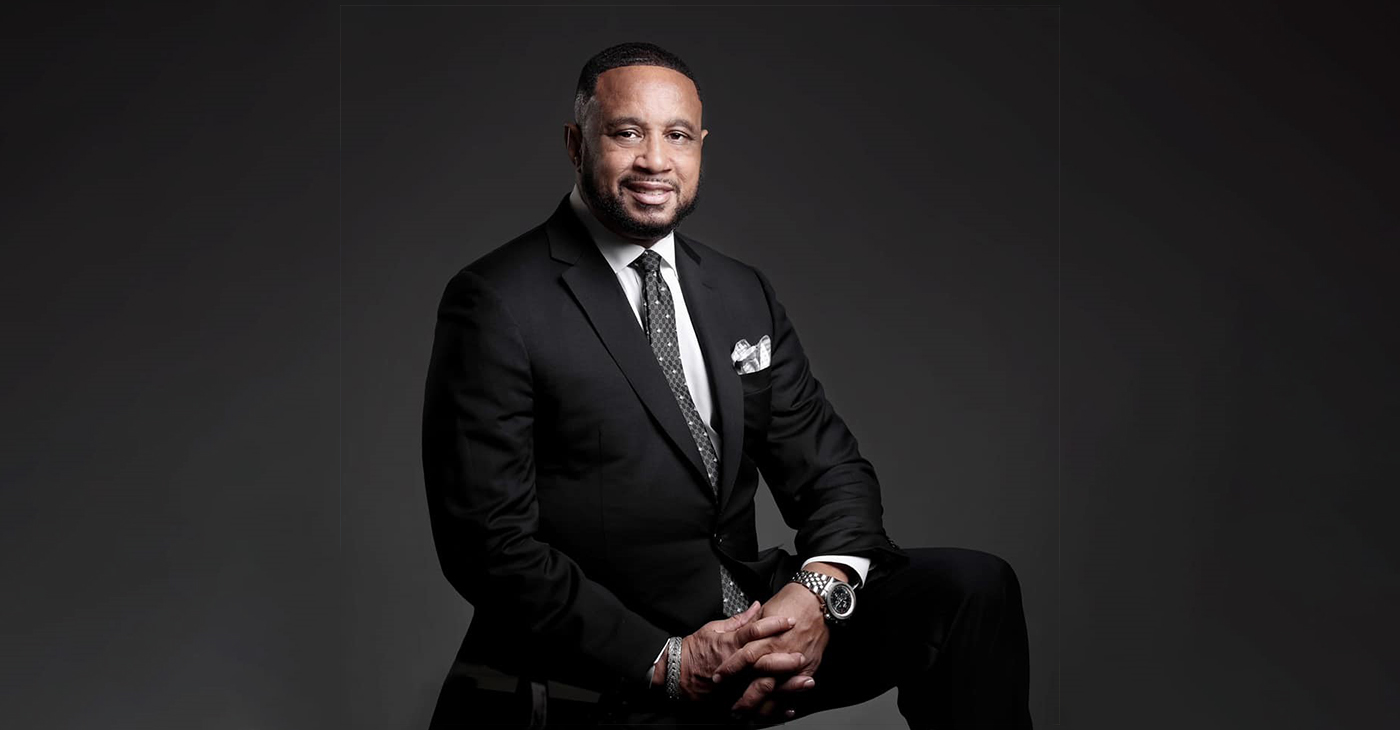
By Bishop Joseph Simmons, Senior Pastor, Greater St. Paul Baptist Church, Oakland
As a pastor, I believe in the power that a sense of community can have on improving people’s lives. Live events are one of the few places where people from different backgrounds and ages can share the same space and experience – where construction workers sit next to lawyers at a concert, and teenagers enjoy a basketball game with their grandparents. Yet, over the past decade, I’ve witnessed these experiences – the concerts, games, and cultural events where we gather – become increasingly unaffordable, and it is a shame.
These moments of connection matter as they form part of the fabric that holds communities together. But that fabric is fraying because of Ticketmaster/Live Nation’s unchecked control over access to live events. Unfortunately, AB 1349 would only further entrench their corporate power over our spaces.
Since Ticketmaster and Live Nation merged in 2010, ticket prices have jumped more than 150 percent. Activities that once fit a family’s budget now take significant disposable income that most working families simply don’t have. The problem is compounded by a system that has tilted access toward the wealthy and white-collar workers. If you have a fancy credit card, you get “presale access,” and if you work in an office instead of a warehouse, you might be able to wait in an online queue to buy a ticket. Access now means privilege.
Power over live events is concentrated in a single corporate entity, and this regime operates without transparency or accountability – much like a dictator. Ticketmaster controls 80 percent of first-sale tickets and nearly a third of resale tickets, but they still want more. More power, more control for Ticketmaster means higher prices and less access for consumers. It’s the agenda they are pushing nationally, with the help of former Trump political operatives, who are quietly trying to undo the antitrust lawsuit launched against Ticketmaster/Live Nation under President Biden’s DOJ.
That’s why I’m deeply concerned about AB 1349 in its current form. Rather than reining in Ticketmaster’s power, the bill risks strengthening it, aligning with Trump. AB 1349 gives Ticketmaster the ability to control a consumer’s ticket forever by granting Ticketmaster’s regime new powers in state law to prevent consumers from reselling or giving away their tickets. It also creates new pathways for Ticketmaster to discriminate and retaliate against consumers who choose to shop around for the best service and fees on resale platforms that aren’t yet controlled by Ticketmaster. These provisions are anti-consumer and anti-democratic.
California has an opportunity to stand with consumers, to demand transparency, and to restore genuine competition in this industry. But that requires legislation developed with input from the community and faith leaders, not proposals backed by the very company causing the harm.
Will our laws reflect fairness, inclusion, and accountability? Or will we let corporate interests tighten their grip on spaces that should belong to everyone? I, for one, support the former and encourage the California Legislature to reject AB 1349 outright or amend it to remove any provisions that expand Ticketmaster’s control. I also urge community members to contact their representatives and advocate for accessible, inclusive live events for all Californians. Let’s work together to ensure these gathering spaces remain open and welcoming to everyone, regardless of income or background.
Activism
Oakland Post: Week of December 31, 2025 – January 6, 2026
The printed Weekly Edition of the Oakland Post: Week of – December 31, 2025 – January 6, 2026

To enlarge your view of this issue, use the slider, magnifying glass icon or full page icon in the lower right corner of the browser window.
Activism
Big God Ministry Gives Away Toys in Marin City
Pastor Hall also gave a message of encouragement to the crowd, thanking Jesus for the “best year of their lives.” He asked each of the children what they wanted to be when they grow up.

By Godfrey Lee
Big God Ministries, pastored by David Hall, gave toys to the children in Marin City on Monday, Dec. 15, on the lawn near the corner of Drake Avenue and Donahue Street.
Pastor Hall also gave a message of encouragement to the crowd, thanking Jesus for the “best year of their lives.” He asked each of the children what they wanted to be when they grew up.
Around 75 parents and children were there to receive the presents, which consisted mainly of Gideon Bibles, Cat in the Hat pillows, Barbie dolls, Tonka trucks, and Lego building sets.
A half dozen volunteers from the Big God Ministry, including Donnie Roary, helped to set up the tables for the toy giveaway. The worship music was sung by Ruby Friedman, Keri Carpenter, and Jake Monaghan, who also played the accordion.
Big God Ministries meets on Sundays at 10 a.m. at the Mill Valley Community Center, 180 Camino Alto, Mill Valley, CA Their phone number is (415) 797-2567.


WORK FROM HOME
Home-based business with potential monthly income of $10K+ per month. A proven training system and website provided to maximize business effectiveness. Perfect job to earn side and primary income. Contact Lynne for more details: Lynne4npusa@gmail.com 800-334-0540


OP-ED: AB 1349 Puts Corporate Power Over Community

Oakland Post: Week of December 31, 2025 – January 6, 2026

Big God Ministry Gives Away Toys in Marin City

First 5 Alameda County Distributes Over $8 Million in First Wave of Critical Relief Funds for Historically Underpaid Caregivers

2025 in Review: Seven Questions for Assemblymember Lori Wilson — Advocate for Equity, the Environment, and More

2025 in Review: Seven Questions for Assemblymember Tina McKinnor, Champion of Reparations, Housing and Workers’ Rights

2025 in Review: Seven Questions for Sen. Laura Richardson, Who Made Legislative History This Year

2025 in Review: Seven Questions for Sen. Lola Smallwood-Cuevas – an Advocate for Jobs and Justice

Alfred Cralle: Inventor of the Ice Cream Scoop

BOOK REVIEW: Let Me Be Real With You

Oakland Post: Week of December 24 – 30, 2025

Bling It On: Holiday Lights Brighten Dark Nights All Around the Bay

Oakland Council Expands Citywide Security Cameras Despite Major Opposition

Lu Lu’s House is Not Just Toying Around with the Community

Desmond Gumbs — Visionary Founder, Mentor, and Builder of Opportunity

Oakland Post: Week of November 26 – December 2, 2025

Seth Curry Makes Impressive Debut with the Golden State Warriors

LIHEAP Funds Released After Weeks of Delay as States and the District Rush to Protect Households from the Cold

Seven Steps to Help Your Child Build Meaningful Connections

Seven Steps to Help Your Child Build Meaningful Connections

Post Salon to Discuss Proposal to Bring Costco to Oakland Community meeting to be held at City Hall, Thursday, Dec. 18

Mayor Lee, City Leaders Announce $334 Million Bond Sale for Affordable Housing, Roads, Park Renovations, Libraries and Senior Centers

FBI Report Warns of Fear, Paralysis, And Political Turmoil Under Director Kash Patel

Oakland Post: Week of December 10 – 16, 2025

Oakland School Board Grapples with Potential $100 Million Shortfall Next Year

Trinidad and Tobago – Prime Minister Confirms U.S. Marines Working on Tobago Radar System

2025 in Review: Seven Questions for Black Women’s Think Tank Founder Kellie Todd Griffin

Fayeth Gardens Holds 3rd Annual Kwanzaa Celebration at Hayward City Hall on Dec. 28

A Nation in Freefall While the Powerful Feast: Trump Calls Affordability a ‘Con Job’

Teens Reject Today’s News as Trump Intensifies His Assault on the Press

Hyundai Ioniq 5 Parking, Safety, and 360 View #shorts

2025 Ioniq 5 New Wiper & Powerful Performance! #shorts

Electric SUV Range: Is 259 Miles Enough? #shorts

EV Charging: How Fast Can You Charge an Electric Vehicle? #shorts

Biometric Cooling… Messaging Seats…Come on! 2025 Infiniti QX80 Autograph 4WD

Charged Up: Witness the Magic of a Fully Electric Car! #shorts

Range Rover Sport PHEV Included…: See What’s Inside This Luxury SUV! #shorts

Invisible Hood View: Perfect Parking with X-Ray Vision! #shorts

AI Is Reshaping Black Healthcare: Promise, Peril, and the Push for Improved Results in California

ESSAY: Technology and Medicine, a Primary Care Point of View

Sanctuary Cities

The RESISTANCE – FREEDOM NOW

STATE OF THE PEOPLE: Freddie

ECONOMIC BOYCOTT DAY!!!!!

I told You So
-
 Bay Area4 weeks ago
Post Salon to Discuss Proposal to Bring Costco to Oakland Community meeting to be held at City Hall, Thursday, Dec. 18
-
 Activism4 weeks ago
Mayor Lee, City Leaders Announce $334 Million Bond Sale for Affordable Housing, Roads, Park Renovations, Libraries and Senior Centers
-
 Activism4 weeks ago
Oakland Post: Week of December 10 – 16, 2025
-
 Activism4 weeks ago
Oakland School Board Grapples with Potential $100 Million Shortfall Next Year
-
 Activism4 weeks ago
2025 in Review: Seven Questions for Black Women’s Think Tank Founder Kellie Todd Griffin
-
 Arts and Culture4 weeks ago
Fayeth Gardens Holds 3rd Annual Kwanzaa Celebration at Hayward City Hall on Dec. 28
-

 Advice4 weeks ago
COMMENTARY: If You Don’t Want Your ‘Black Card’ Revoked, Watch What You Bring to Holiday Dinners
-

 Activism4 weeks ago
Ann Lowe: The Quiet Genius of American Couture
