
Berkeley
Community Colleges Closing the Racial Opportunity Gap?


By Dr. Rowena M. Tomaneng, Berkeley City College President
How can community colleges work effectively and successfully with students coming from the most marginalized communities in the region, many of whom come to college without college-level academic skills? If our formal mission declares a commitment to students of all backgrounds, how can we expect truly academic performances from those students deficient in college-level skills? The severe disproportionate numbers of academically underprepared students comprise students of color, and competent researchers see racism as a profound and long-standing cause of this educational blight.
Students who experience racism have low self-esteem and confidence, feel anxious and stressed, fall behind in schoolwork and get lower results in their exams. In their work on men of color and academic achievement, Harris and Wood (2013) researched how “societal messages about African American and Latino men’s academic abilities or racist stereotypes that depict them as lazy or disinterested in education can influence both students’ and educators’ views about the likelihood that these students will be successful in community college” (from “Student Success for Men of Color in Community Colleges: A Review of Published Literature and Research, 1998-2012).
As a first-generation immigrant from the Philippines, my public education experience in California reflects what many students of color continue to face in educational institutions—marginalization due to explicit and implicit racial/ethnic bias. In grade school, I remember being teased for my accent and being asked if my Pilipino family ate our pets. Even as I pursued my University of California graduate degrees, I experienced disparaging micro aggressions from my white counterparts and professors. Collectively, these experiences impacted my confidence and raised self-doubt in my academic abilities.
In addition to acknowledging research, we need to take stronger action to counter racist and other discriminatory behaviors to restore hope and self-esteem among students of color, so they can believe they will succeed in college. We can also build nurturing learning communities, for example, that use culturally relevant curricula and a pedagogy of self-reflection and personal narrative to validate student experiences. I believe that this “learning community” model provides a necessary cultural and curricular shift on the part of college faculty to begin unpacking the existing assets and capacities of our widely diverse students, rather than to focus on what they do not yet have.
At Berkeley City College (BCC) we have developed learning community programs such as PERSIST (Personal Initiative and Social Transformation), a one-semester bridge program that serves as a gateway toward success in college, for students who wish to transfer or to achieve workforce preparedness. The PERSIST cohort model serves students at the basic skills level who come from socio-economic disadvantage or disability, and as such provides intentional and effective educational access and success for populations underrepresented at BCC.
Our model was also conceived with a Social Justice imperative. PERSIST advances student access, success and equity, and addresses those egalitarian BCC core values of communication, computational skills, critical thinking, self-awareness, interpersonal skills, and information competency. To this end, PERSIST uses an “immersion” model put forth by the Academy for College Excellence (ACE), with two founding faculty as ACE Master Mentors nationwide. Major themes of the PERSIST/ACE Foundational Curriculum include: Deindustrialization of Education, Naming Needs and Emotion, Authentic Communication, and Bringing What You Learn Out into the World.
Successful learning experiences are dependent on the sustained engagement of diverse students. Continued experiences of racism are undeniably associated with increased levels of hopelessness and lower academic achievement. Our current political climate makes it incumbent upon educators to challenge and delegitimize racist and other discriminatory messages in order to restore hope, dreams, and valuation of self among students of color. If we can engage in this consciousness-raising work collectively across our institutions, then we can get one, two, three steps nearer to closing the racial achievement gap.
Visit Berkeley City College if you are interested in learning more about PERSIST and other Learning Community programs. The faculty and I are eager to share our students’ stories with you! You can contact me directly to schedule a visit at rtomaneng@peralta.edu




Arts and Culture
Farwest Region Deltas Celebrate Centennial With “September Breakfast” Honoring Vivian Osborne Marsh
The region was established in 1925 under the leadership of Vivian Osborne Marsh, who became its first Regional Director. Marsh was a pioneering scholar and civic leader, earning recognition as the first Black woman to receive both a bachelor’s and a master’s degree in anthropology from UC Berkeley.

By Antoinette Porter
Hundreds of members of Delta Sigma Theta Sorority, Inc., and their guests gathered at the Martin Luther King Jr. Student Union at the University of California, Berkeley, to mark the 100th anniversary of the sorority’s Farwest Region.
The region was established in 1925 under the leadership of Vivian Osborne Marsh, who became its first Regional Director. Marsh was a pioneering scholar and civic leader, earning recognition as the first Black woman to receive both a bachelor’s and a master’s degree in anthropology from UC Berkeley.
Marsh went on to serve as Delta Sigma Theta’s 7th National President, where she launched the sorority’s National Library Project to expand access to books in underserved Black communities in the South. During her presidency, the organization also became a prominent voice in the civil rights movement, lobbying Congress to pass anti-lynching legislation.
Bak in the Bay Area, Marsh devoted her career to advancing educational opportunities, mentoring young people, and strengthening community life. That commitment continues to shape the region, which supports initiatives in education, social justice, and economic development. Current projects include raising scholarship funds for students at Historically Black Colleges and Universities, voter education campaigns, and health and wellness programs.
A century after its founding, the Farwest Region of Delta Sigma Theta remains active across California and other western states, carrying forward Marsh’s vision of service and advocacy.
Arts and Culture
Cal Performances Presents Angélique Kidjo & Yo-Yo Ma in Sarabande Africaine at UC Berkeley Greek Theatre on Aug. 30
On Saturday, Aug. 30, the pair will debut the Bay Area premiere of Sarabande Africaine, joined by pianist Thierry Vaton, percussionist David Donatien, and special guest Sinkane. The program illuminates centuries of musical interplay between African traditions and Western classical forms, using the Baroque sarabande dance, and its African ancestor, the Congolese spirit dance Zarabanda, as a gateway to exploring the deep, interconnected roots of global music.

By Carla Thomas
On Labor Day weekend two of the world’s most celebrated musicians and cultural ambassadors, Grammy Award–winning vocalist Angélique Kidjo and legendary cellist Yo-Yo Ma join forces for an evening of music, history, and cultural dialogue at UC Berkeley’s historic Hearst Greek Theatre.
On Saturday, Aug. 30, the pair will debut the Bay Area premiere of Sarabande Africaine, joined by pianist Thierry Vaton, percussionist David Donatien, and special guest Sinkane. The program illuminates centuries of musical interplay between African traditions and Western classical forms, using the Baroque sarabande dance, and its African ancestor, the Congolese spirit dance Zarabanda, as a gateway to exploring the deep, interconnected roots of global music.
Both Kidjo and Ma have built careers not only as great performers but as passionate advocates for cultural understanding. Sarabande Africaine is as much a conversation about shared heritage as it is a musical performance, blending genres, geographies, and histories.
“Every day there are moments when all of us can feel we are on the inside of something and also when we feel we are on the outside of something,” said Yo-Yo Ma. “To be able to understand both at the same time and oscillate between the two gives us a larger perspective on the world.”
“If your mind is open, and there is no fear, it’s easier to listen, and to question yourself,” said Kidjo.
The upcoming performance is presented within Cal Performances’ Illuminations: “Exile & Sanctuary” series for the 2025–26 season. The production explores exile as more than just physical displacement, but a disruption in identity and belonging, while sanctuary represents both refuge and the creative space where new connections and communities can take shape.
Cal Performances’ Illuminations bridges performances with UC Berkeley’s academic research, pairing the arts with conversations about urgent global issues.
Kidjo’s continued partnership with Cal Performances includes her 2021–22 artist-in-residence, premiering her music-theater work Yemandja, set in 19th-century West Africa during the transatlantic slave trade.
She also participated in the Bias in Our Algorithms and Society panel alongside campus leaders like Jennifer Chayes, and joined the Black Studies Collaboratory for a dialogue on music, diaspora, and the world.
She has since returned to Berkeley for multiple performances, most recently in 2024 at Zellerbach Hall.
Yo-Yo Ma’s history with Cal Performances spans decades, beginning in 1997. One notable project includes the 2018 performance of Bach’s complete cello suites at the Greek Theatre, a testament to his devotion to creating “transformative concert experiences in iconic spaces.”
For tickets and more information, visit calperformances.org.
Activism
The Case Against Probate: False Ruling Invalidates Black Professor’s Estate Plan, Ignoring 28-Year Relationship
Zakiya Folami Jendayi, beneficiary of Head’s estate, states that “The errors, ranging from misstatements of fact, omissions of critical evidence, and reliance on false arguments and testimony, formed the basis of Judge Sandra K. Bean’s ruling against me, Dr. Head’s previous student, mentee, sorority sister and long-time friend,and despite the fact that I was her chosen, power of attorney, Advanced Healthcare Directive agent, trustee, executor and sole beneficiary.”
By Tanya Dennis
Part 5
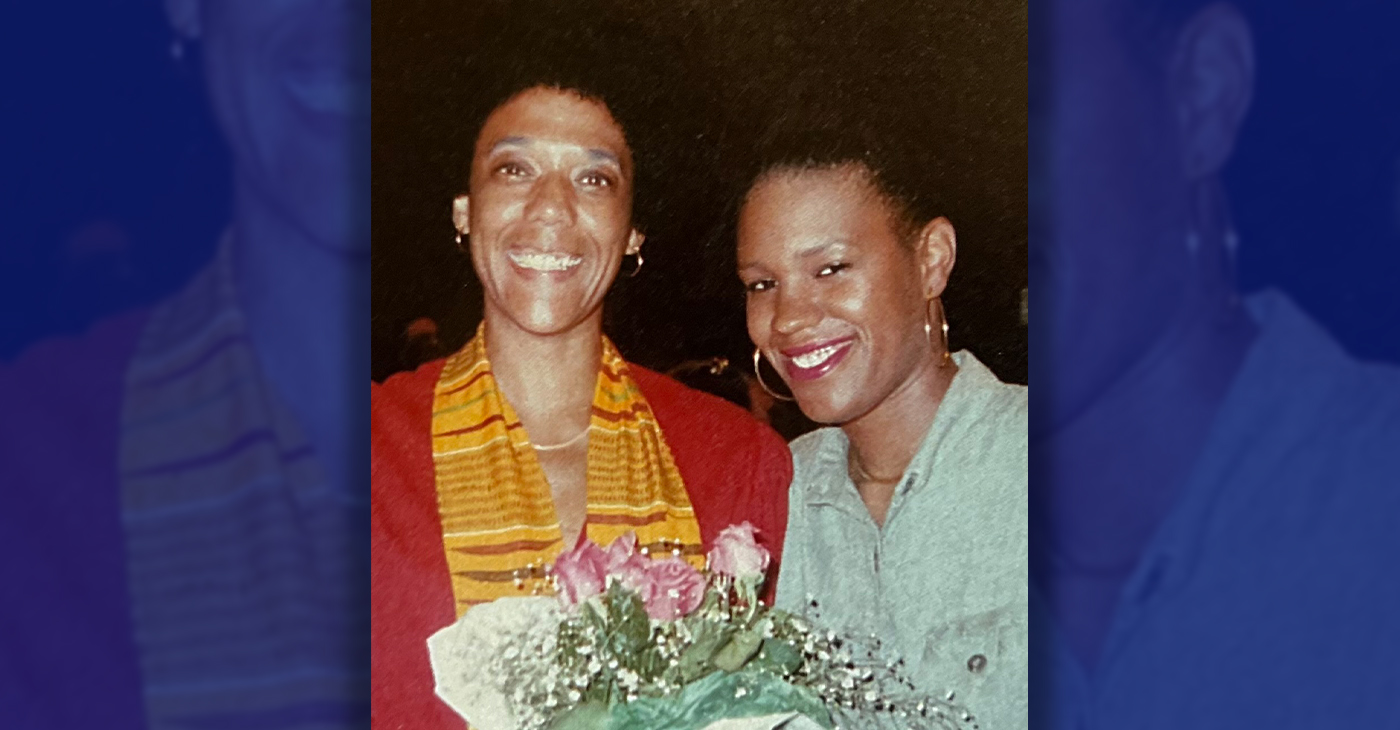
In a shocking miscarriage of justice, a California probate judge issued a Statement of Decision on March 28 riddled with numerous documented errors that invalidated the estate plan of esteemed Black Studies professor Dr. Laura Dean Head.
The ruling from the Alameda County Superior Court’s probate division in Berkeley has sparked outrage from advocates for probate reform, community members and civil rights activists, who say the decision reflects deep flaws in the probate system, blatant disregard for due process, and the wishes of the ancestors. Judge Sandra Bean’s ruling reflects a repeated outcome seen in Black and Brown communities.
Zakiya Folami Jendayi, beneficiary of Head’s estate, states that “The errors, ranging from misstatements of fact, omissions of critical evidence, and reliance on false arguments and testimony, formed the basis of Judge Sandra K. Bean’s ruling against me, Dr. Head’s previous student, mentee, sorority sister and long-time friend,and despite the fact that I was her chosen, power of attorney, Advanced Healthcare Directive agent, trustee, executor and sole beneficiary.”
Reading court transcripts, the most egregious violations according to Jendayi reveal a pivotal point in the ruling that rested on a letter from Dr. Stephan Sarafian of Kaiser Permanente, who misidentified Dr. Head as male, misstated the day, month, and year, and asserted Head lacked capacity.

Under cross-examination, he reversed his opinion and admitted under oath that he never conducted a mental evaluation, did not diagnose Dr. Head with incapacity, did not write the letter, and stated he merely signed it “in case it was needed in the future.”
Despite Sarafian’s perjury, on Oct. 17, 2024, the California Court of Appeal upheld the lower court decision that relied on Sarafian’s discredited letter to invalidate Dr. Head’s estate plan, ignored Jendayi’s requests to impeach his testimony and dismiss Sarafian’s testimony and letter that both the Kaiser Grievance Department and the Medical Board of California denounced.
In her ruling, Judge Bean agreed with the false argument by attorney Leahy, which alleged that Jendayi provided the names of the beneficiaries to Head’s estate attorney, Elaine Lee. Bean made this decision despite Lee’s sworn testimony that Dr. Head had met with her alone, behind closed doors, and made the independent decision to leave her estate to Jendayi.
According to court records, Judge Bean reversed the burden of proof in the undue influence claim before any of Jendayi’s witnesses testified, forcing Jendayi to disprove allegations that were never substantiated by witnesses or records.
Bean ruled: “Respondent took Dr. Head to her apartment where she assumed complete control of Dr. Head’s day-to-day care, medical care, and all aspects of her life.” Jendayi proved that statement was false.
Bean also ruled that Respondent controlled Dr. Head’s necessities of life, food, and hospice care, despite zero testimony or documentation supporting any of those claims.
The court reduced Jendayi’s role to “a friend who, at best, cared for Dr. Head during the final two months,” totally ignoring 28 years of friendship, testimony, evidence, letters of recommendation, emails, and medical records.
Exhibits confirming Dr. Head’s intent and capacity, including the discredited medical letter, Exhibit 90, were omitted or misrepresented in the judge’s final decision.
Jendayi says, “The injustice within the probate justice system is devastating, traumatizing and financially depleting. It’s nothing short of legalized crime!”
Jendayi is now appealing to the Supreme Court of the U.S. with a petition citing denial of due process, judicial misconduct, and systemic bias in probate courts.


WORK FROM HOME
Home-based business with potential monthly income of $10K+ per month. A proven training system and website provided to maximize business effectiveness. Perfect job to earn side and primary income. Contact Lynne for more details: Lynne4npusa@gmail.com 800-334-0540


OP-ED: AB 1349 Puts Corporate Power Over Community

Oakland Post: Week of December 31, 2025 – January 6, 2026

Big God Ministry Gives Away Toys in Marin City

First 5 Alameda County Distributes Over $8 Million in First Wave of Critical Relief Funds for Historically Underpaid Caregivers

2025 in Review: Seven Questions for Assemblymember Lori Wilson — Advocate for Equity, the Environment, and More

2025 in Review: Seven Questions for Assemblymember Tina McKinnor, Champion of Reparations, Housing and Workers’ Rights

2025 in Review: Seven Questions for Sen. Laura Richardson, Who Made Legislative History This Year

2025 in Review: Seven Questions for Sen. Lola Smallwood-Cuevas – an Advocate for Jobs and Justice

Alfred Cralle: Inventor of the Ice Cream Scoop

BOOK REVIEW: Let Me Be Real With You

Oakland Post: Week of December 24 – 30, 2025

Bling It On: Holiday Lights Brighten Dark Nights All Around the Bay

Oakland Council Expands Citywide Security Cameras Despite Major Opposition

Lu Lu’s House is Not Just Toying Around with the Community

Desmond Gumbs — Visionary Founder, Mentor, and Builder of Opportunity

Post Salon to Discuss Proposal to Bring Costco to Oakland Community meeting to be held at City Hall, Thursday, Dec. 18

Mayor Lee, City Leaders Announce $334 Million Bond Sale for Affordable Housing, Roads, Park Renovations, Libraries and Senior Centers

Oakland Post: Week of December 10 – 16, 2025

Oakland School Board Grapples with Potential $100 Million Shortfall Next Year

Fayeth Gardens Holds 3rd Annual Kwanzaa Celebration at Hayward City Hall on Dec. 28

2025 in Review: Seven Questions for Black Women’s Think Tank Founder Kellie Todd Griffin

Ann Lowe: The Quiet Genius of American Couture

COMMENTARY: If You Don’t Want Your ‘Black Card’ Revoked, Watch What You Bring to Holiday Dinners

Support Your Child’s Mental Health: Medi-Cal Covers Therapy, Medication, and More
Desmond Gumbs — Visionary Founder, Mentor, and Builder of Opportunity

BRIDGE Housing President and CEO Ken Lombard Scores Top Honors for Affordable Housing Leadership

Families Across the U.S. Are Facing an ‘Affordability Crisis,’ Says United Way Bay Area
Oakland Council Expands Citywide Security Cameras Despite Major Opposition

Black Arts Movement Business District Named New Cultural District in California
Lu Lu’s House is Not Just Toying Around with the Community

Hyundai Ioniq 5 Parking, Safety, and 360 View #shorts

2025 Ioniq 5 New Wiper & Powerful Performance! #shorts

Electric SUV Range: Is 259 Miles Enough? #shorts

EV Charging: How Fast Can You Charge an Electric Vehicle? #shorts

Biometric Cooling… Messaging Seats…Come on! 2025 Infiniti QX80 Autograph 4WD

Charged Up: Witness the Magic of a Fully Electric Car! #shorts

Range Rover Sport PHEV Included…: See What’s Inside This Luxury SUV! #shorts

Invisible Hood View: Perfect Parking with X-Ray Vision! #shorts

AI Is Reshaping Black Healthcare: Promise, Peril, and the Push for Improved Results in California

ESSAY: Technology and Medicine, a Primary Care Point of View

Sanctuary Cities

The RESISTANCE – FREEDOM NOW

STATE OF THE PEOPLE: Freddie

ECONOMIC BOYCOTT DAY!!!!!

I told You So
-
 Activism4 weeks ago
Desmond Gumbs — Visionary Founder, Mentor, and Builder of Opportunity
-
 Activism4 weeks ago
Families Across the U.S. Are Facing an ‘Affordability Crisis,’ Says United Way Bay Area
-
 Alameda County4 weeks ago
Oakland Council Expands Citywide Security Cameras Despite Major Opposition
-
 Activism4 weeks ago
Black Arts Movement Business District Named New Cultural District in California
-
 Activism4 weeks ago
Lu Lu’s House is Not Just Toying Around with the Community
-
 Alameda County4 weeks ago
Bling It On: Holiday Lights Brighten Dark Nights All Around the Bay
-
 Activism4 weeks ago
Oakland Post: Week of December 17 – 23, 2025
-
 Activism3 weeks ago
First 5 Alameda County Distributes Over $8 Million in First Wave of Critical Relief Funds for Historically Underpaid Caregivers
