Activism
Fallout from Holy Names University’s Closure Continues
When a nonprofit closes, the Attorney General decides on the dispensation of remaining funds. As suggested by its very name, the leaders of a “nonprofit” must not be allowed to “profit” from its closure. Although the school has closed, HNU’s Board of Directors has not been disbanded and still has responsibilities to fulfill.

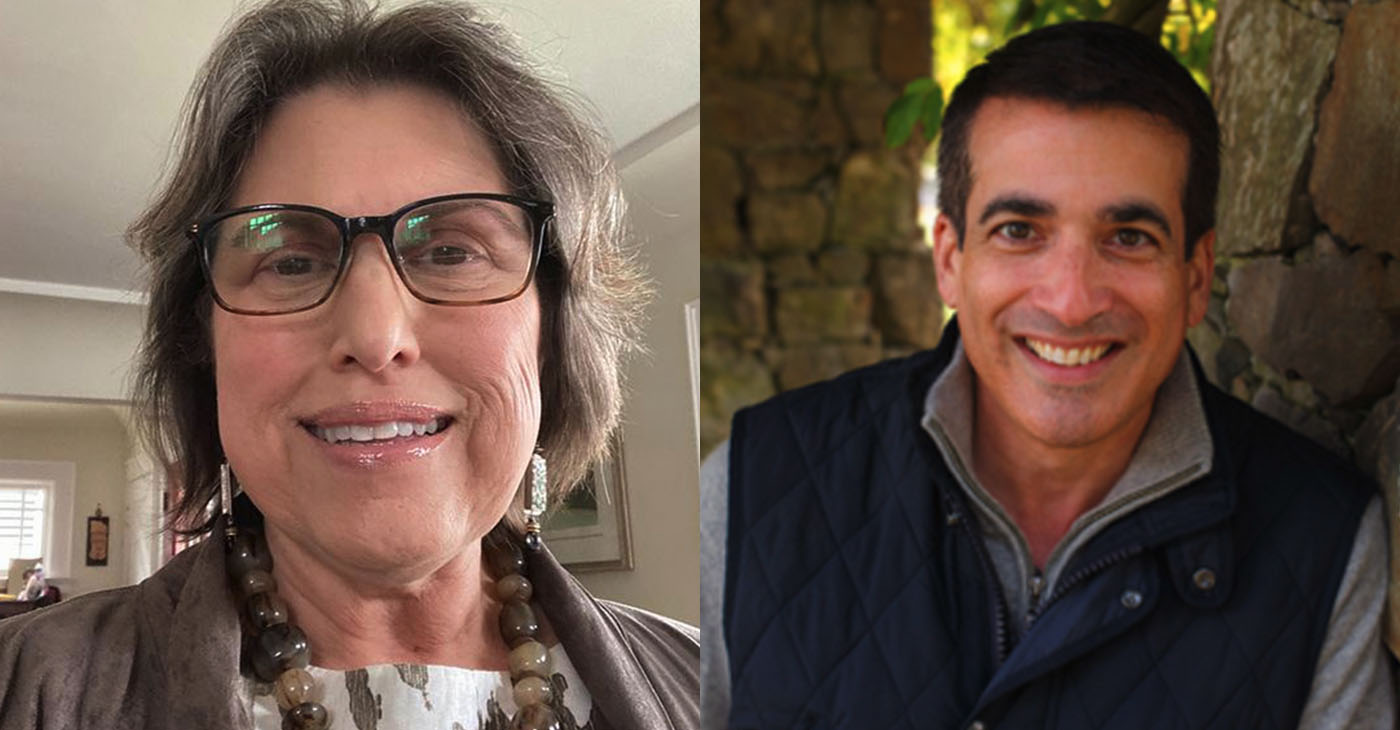
Student Teachers Could Lose Jobs, Quit Teacher Training Unless AG Bonta Intervenes to Protect $55 Million Endowment
By Ken Epstein
Nearly 100 former Holy Names University student teachers are calling on State Attorney General Rob Bonta to make the school’s Board of Trustees use its $55 million endowment to provide scholarships for them to complete their training.
The endowment had been donated to HNU specifically for students planning a career in teaching and the sudden closing of the school in May left them struggling to find other affordable schools.
These teachers, who have been working in classrooms at schools in Oakland or other East Bay schools, must simultaneously be enrolled in university teacher training programs to earn their credential if they wish to keep their jobs.
When a nonprofit closes, the Attorney General decides on the dispensation of remaining funds. As suggested by its very name, the leaders of a “nonprofit” must not be allowed to “profit” from its closure.
Although the school has closed, HNU’s Board of Directors has not been disbanded and still has responsibilities to fulfill.
In a letter to Bonta dated June 26, the students wrote: “At the time of our enrollment, we were provided with the ‘Logan Scholarship,’ which paid approximately half of our tuition.
“This was very important to us because the funds available for becoming a teacher are very limited, and in order to be employed, we need to be enrolled in a credential program. For many of us, the other half of the tuition was paid by federal grants.”
The letter continued: “We are not affluent people. Most of us are teachers of color and/or first-generation college students, and many of us have chosen to serve in our own communities …We had no idea Holy Names was closing. In order to remain employed, we are required to enroll in a different credential program, and in every case the tuition is higher because the Logan (Scholarship) is not available.”
In a public email, Helen Ghebreyesus, an art teacher at an East Oakland elementary school who helped organize the teacher letter to Bonta, said, “We are now without the scholarship and without a university, which has created a financial hurdle and forced some of our peers to leave the profession … Allowing us teachers to use a portion of the funds to pay tuition, will help us to continue to serve our community and students.”
Backing concerns raised by the teachers, Oakland leaders Mayor Sheng Thao and City Attorney Barbara Parker sent a letter dated May 8 to Bonta “to request that (he) object to any proposal from Holy Names University for the distribution of HNU’s $55 million endowment that is contrary to its declared purpose for education in Oakland.
“We … are concerned about the students who have been relying on scholarships from funds controlled by HNU to pursue their teaching degrees (“Logan Scholarships”) and seek to ensure that the funding for local teacher training will continue, even (though) the Board chooses to dissolve the University.”
The letter points out that while part of HNU’s closure plan would allow former HNU students to attend an academic program at Dominican College in San Rafael, these programs and those at other Bay Area universities are too costly for many of the students.
“We understand that 100% of HNU’s undergraduate students receive some form of financial aid, and about 30% are first generation college students from underserved communities. Statistically, these students are unlikely to be able to continue their education at Dominican given the economic hardships the commute presents, and many may discontinue college altogether as a result. These students will be left with college debt and no college degree.”
Because HNU “has not yet been required to seek a decree from Superior Court for its proposed distribution plan, we do not know the Board’s true intentions for its $55 million endowment, the city letter said. “However, we have heard that the Board is making plans to distribute HNU’s endowment outside of Oakland, and perhaps even outside of California for non-educational uses.
“If this is true, such a plan wholly disregards HNU’s declared purpose, violates California’s public policy, and fails the very community it purports to serve.”


Activism
OPINION: Your Voice and Vote Impact the Quality of Your Health Care
One of the most dangerous developments we’re seeing now? Deep federal cuts are being proposed to Medicaid, the life-saving health insurance program that covers nearly 80 million lower-income individuals nationwide. That is approximately 15 million Californians and about 1 million of the state’s nearly 3 million Black Californians who are at risk of losing their healthcare.

By Rhonda M. Smith, Special to California Black Media Partners
Shortly after last year’s election, I hopped into a Lyft and struck up a conversation with the driver. As we talked, the topic inevitably turned to politics. He confidently told me that he didn’t vote — not because he supported Donald Trump, but because he didn’t like Kamala Harris’ résumé. When I asked what exactly he didn’t like, he couldn’t specifically articulate his dislike or point to anything specific. In his words, he “just didn’t like her résumé.”
That moment really hit hard for me. As a Black woman, I’ve lived through enough election cycles to recognize how often uncertainty, misinformation, or political apathy keep people from voting, especially Black voters whose voices are historically left out of the conversation and whose health, economic security, and opportunities are directly impacted by the individual elected to office, and the legislative branches and political parties that push forth their agenda.
That conversation with the Lyft driver reflects a troubling surge in fear-driven politics across our country. We’ve seen White House executive orders gut federal programs meant to help our most vulnerable populations and policies that systematically exclude or harm Black and underserved communities.
One of the most dangerous developments we’re seeing now? Deep federal cuts are being proposed to Medicaid, the life-saving health insurance program that covers nearly 80 million lower-income individuals nationwide. That is approximately 15 million Californians and about 1 million of the state’s nearly 3 million Black Californians who are at risk of losing their healthcare.
Medicaid, called Medi-Cal in California, doesn’t just cover care. It protects individuals and families from medical debt, keeps rural hospitals open, creates jobs, and helps our communities thrive. Simply put; Medicaid is a lifeline for 1 in 5 Black Americans. For many, it’s the only thing standing between them and a medical emergency they can’t afford, especially with the skyrocketing costs of health care. The proposed cuts mean up to 7.2 million Black Americans could lose their healthcare coverage, making it harder for them to receive timely, life-saving care. Cuts to Medicaid would also result in fewer prenatal visits, delayed cancer screenings, unfilled prescriptions, and closures of community clinics. When healthcare is inaccessible or unaffordable, it doesn’t just harm individuals, it weakens entire communities and widens inequities.
The reality is Black Americans already face disproportionately higher rates of poorer health outcomes. Our life expectancy is nearly five years shorter in comparison to White Americans. Black pregnant people are 3.6 times more likely to die during pregnancy or postpartum than their white counterparts.
These policies don’t happen in a vacuum. They are determined by who holds power and who shows up to vote. Showing up amplifies our voices. Taking action and exercising our right to vote is how we express our power.
I urge you to start today. Call your representatives, on both sides of the aisle, and demand they protect Medicaid (Medi-Cal), the Affordable Care Act (Covered CA), and access to food assistance programs, maternal health resources, mental health services, and protect our basic freedoms and human rights. Stay informed, talk to your neighbors and register to vote.
About the Author
Rhonda M. Smith is the Executive Director of the California Black Health Network, a statewide nonprofit dedicated to advancing health equity for all Black Californians.
Activism
OPINION: Supreme Court Case Highlights Clash Between Parental Rights and Progressive Indoctrination
At the center of this controversy are some parents from Montgomery County in Maryland, who assert a fundamental principle: the right to shield their children from exposure to sexual content that is inappropriate for their age, while also steering their moral and ethical upbringing in alignment with their faith. The local school board decided to introduce a curriculum that includes LGBTQ+ themes — often embracing controversial discussions of human sexuality and gender identity.

By Craig J. DeLuz, Special to California Black Media Partners
In America’s schools, the tension between parental rights and learning curricula has created a contentious battlefield.
In this debate, it is essential to recognize that parents are, first and foremost, their children’s primary educators. When they send their children to school — public or private — they do not surrender their rights or responsibilities. Yet, the education establishment has been increasingly encroaching on this vital paradigm.
A case recently argued before the Supreme Court regarding Maryland parents’ rights to opt out of lessons that infringe upon their religious beliefs epitomizes this growing conflict. This case, Mahmoud v. Taylor, is not simply about retreating from progressive educational mandates. It is fundamentally a defense of First Amendment rights, a defense of parents’ rights to be parents.
At the center of this controversy are some parents from Montgomery County in Maryland, who assert a fundamental principle: the right to shield their children from exposure to sexual content that is inappropriate for their age, while also steering their moral and ethical upbringing in alignment with their faith. The local school board decided to introduce a curriculum that includes LGBTQ+ themes, often embracing controversial discussions of human sexuality and gender identity. The parents argue that the subject matter is age-inappropriate, and the school board does not give parents the option to withdraw their children when those lessons are taught.

This case raises profound questions about the role of public education in a democratic society. In their fervent quest for inclusivity, some educators seem to have overlooked an essential truth: that the promotion of inclusivity should never infringe upon parental rights and the deeply held convictions that guide families of different faith backgrounds.
This matter goes well beyond mere exposure. It veers into indoctrination when children are repeatedly confronted with concepts that clash with their family values.
“I don’t think anybody can read that and say: well, this is just telling children that there are occasions when men marry other men,” noted Justice Samuel Alito. “It has a clear moral message, and it may be a good message. It’s just a message that a lot of religious people disagree with.”
Justice Amy Coney Barrett raised a crucial point, noting that it is one thing to merely expose students to diverse ideas; it is quite another to present certain viewpoints as indisputable truths. By framing an ideology with the certainty of “this is the right view of the world,” educators risk indoctrination rather than enlightenment. This distinction is not merely academic; it speaks to the very essence of cultivating a truly informed citizenry.
Even Justice Elena Kagan expressed concern regarding the exposure of young children to certain materials in Montgomery County.
“I, too, was struck by these young kids’ picture books and, on matters concerning sexuality, I suspect there are a lot of non-religious parents who weren’t all that thrilled about this,” she said.
Justice John Roberts aptly questioned the practicality of expecting young children to compartmentalize their beliefs in the classroom.
“It is unreasonable to expect five-year-olds, still forming their worldviews, to reconcile lessons that conflict fundamentally with the teachings they receive at home,” he said.
As was noted in my previous commentary, “The Hidden Truth In The Battle Over Books In American Schools”, what lies at the heart of these debates is a moral disconnect between the values held by the majority of Americans and those promoted by the educational establishment. While the majority rightly argue that material containing controversial content of a sexual nature should have no place in our children’s classrooms, the education establishment continues to tout the necessity of exposing children to such content under the guise of inclusivity. This disregards the legitimate values held by the wider community.
Highlighted in this case that is before the Supreme Court is a crucial truth: parents must resolutely maintain their right to direct their children’s education, according to their values. This struggle is not simply a skirmish; it reflects a broader movement aimed at reshaping education by privileging a state-sanctioned narrative while marginalizing dissenting voices.
It is imperative that we assert, without hesitation, that parents are — and must remain — the primary educators of their children.
When parents enroll a child in a school, it should in no way be interpreted as a relinquishment of parental authority or the moral guidance essential to their upbringing. We must stand firm in defending parental rights against the encroaching ideologies of the education establishment.
About the Author
Craig J. DeLuz has almost 30 years of experience in public policy and advocacy. He has served as a member of The Robla School District Board of Trustees for over 20 years. He also currently hosts a daily news and commentary show called “The RUNDOWN.” You can follow him on X at @CraigDeLuz.
Activism
Newsom, Pelosi Welcome Election of First American Pope; Call for Unity and Compassion
“In his first address, he reminded us that God loves each and every person,” said Newsom. “We trust that he will shepherd us through the best of the Church’s teachings: to respect human dignity, care for the poor, and wish for the common good of us all.” Newsom also expressed hope that the pontiff’s leadership would serve as a unifying force in a time of global instability.

By Bo Tefu, California Black Media
Gov. Gavin Newsom and First Partner Jennifer Siebel Newsom on May 8 issued a statement congratulating Pope Leo XIV on his historic election as the first American to lead the Catholic Church.
The announcement has drawn widespread reaction from U.S. leaders, including former House Speaker Nancy Pelosi, who called the moment spiritually significant and aligned with the values of service and social justice.
In their statement, the Newsoms expressed hope that the newly elected pope would guide the Church with a focus on compassion, dignity, and care for the most vulnerable. Newsom said he and the First Partner joined others around the world in celebrating the milestone and were encouraged by the pope’s first message.
“In his first address, he reminded us that God loves each and every person,” said Newsom. “We trust that he will shepherd us through the best of the Church’s teachings: to respect human dignity, care for the poor, and wish for the common good of us all.”
Newsom also expressed hope that the pontiff’s leadership would serve as a unifying force in a time of global instability.
“May he remind us that our better angels are not far away — they’re always within us, waiting to be heard,” he said.
Pelosi, a devout Catholic, also welcomed the pope’s election and noted his symbolic connection to earlier church leaders who championed workers’ rights and social equality.
“It is heartening that His Holiness continued the blessing that Pope Francis gave on Easter Sunday: ‘God loves everyone. Evil will not prevail,’” said Pelosi.

WORK FROM HOME
Home-based business with potential monthly income of $10K+ per month. A proven training system and website provided to maximize business effectiveness. Perfect job to earn side and primary income. Contact Lynne for more details: Lynne4npusa@gmail.com 800-334-0540


OPINION: Your Voice and Vote Impact the Quality of Your Health Care

OPINION: Supreme Court Case Highlights Clash Between Parental Rights and Progressive Indoctrination

Newsom, Pelosi Welcome Election of First American Pope; Call for Unity and Compassion

IN MEMORIAM: Nate Holden, State Senator and Longtime Los Angeles Councilmember, Dies at 95

Henry Blair, the Second African American to Obtain a Patent

Gov. Newsom Highlights Record-Breaking Tourism Revenue, Warns of Economic Threats from Federal Policies

Gov. Newsom and Superintendent Thurmond Announce $618 Million for 458 Community Schools Statewide

Childhood Literacy Bill Supported by NAACP and CTA Moves Closer to Becoming California Law

California Observes Third Annual Black Health Advocacy Week

Rep. Al Green Files Articles of Impeachment Against President Trump

Affordable Childcare Remains a Barrier: Solutions in New Report

California Assembly Passes Bill to Strengthen Penalties for Soliciting Minors

Sex, Coercion, and Stardom: Diddy Case Mirrors Music’s Ugly History

Angel Reese Targeted After Flagrant Foul; WNBA Launches Probe

Biden’s Diagnosis Renews Focus on Prostate Cancer Risks

Oakland Post: Week of April 9 – 15, 2025

AI Is Reshaping Black Healthcare: Promise, Peril, and the Push for Improved Results in California

Oakland Post: Week of April 16 – 22, 2025

Barbara Lee Accepts Victory With “Responsibility, Humility and Love”

ESSAY: Technology and Medicine, a Primary Care Point of View

Newsom Fights Back as AmeriCorps Shutdown Threatens Vital Services in Black Communities

Faces Around the Bay: Author Karen Lewis Took the ‘Detour to Straight Street’

BOOK REVIEW: Love, Rita: An American Story of Sisterhood, Joy, Loss, and Legacy

The RESISTANCE – FREEDOM NOW

OUSD Supt. Chief Kyla Johnson-Trammell to Step Down on July 1

Teachers’ Union Thanks Supt. Johnson-Trammell for Service to Schools and Community

Four Bills Focus on Financial Compensation for Descendants of Enslaved People

Trump Abruptly Fires First Carla Hayden: The First Black Woman to Serve as Librarian of Congress

MLK Bust Quietly Removed from Oval Office Under Trump

Oakland Post: Week of April 23 – 29, 2025
AI Is Reshaping Black Healthcare: Promise, Peril, and the Push for Improved Results in California
ESSAY: Technology and Medicine, a Primary Care Point of View

Sanctuary Cities
The RESISTANCE – FREEDOM NOW

STATE OF THE PEOPLE: Freddie

ECONOMIC BOYCOTT DAY!!!!!

I told You So

Trump Targets the National Museum of African American History and Culture

Hakeem Challenges Mike

The Save Act…a modern Day Poll Tax

Its All A Game

Headlines and Hot Topics

Headlines & Hot Topics

President Trump’s Miss on Education. April Ryan

Headlines and hot topics
-
 Activism4 weeks ago
AI Is Reshaping Black Healthcare: Promise, Peril, and the Push for Improved Results in California
-
 Activism4 weeks ago
Barbara Lee Accepts Victory With “Responsibility, Humility and Love”
-
 Activism4 weeks ago
ESSAY: Technology and Medicine, a Primary Care Point of View
-
 Activism4 weeks ago
Newsom Fights Back as AmeriCorps Shutdown Threatens Vital Services in Black Communities
-
 Activism4 weeks ago
Faces Around the Bay: Author Karen Lewis Took the ‘Detour to Straight Street’
-
 Arts and Culture4 weeks ago
BOOK REVIEW: Love, Rita: An American Story of Sisterhood, Joy, Loss, and Legacy
-
 #NNPA BlackPress4 weeks ago
The RESISTANCE – FREEDOM NOW
-
 Alameda County4 weeks ago
OUSD Supt. Chief Kyla Johnson-Trammell to Step Down on July 1