
Health
Foreign Adoptions by Americans Reach Lowest Mark Since 1982


A graph on foreign adoptions by Americans from 2008. Levels have dropped since this. (AP)
DAVID CRARY, AP National Writer
NEW YORK (AP) — The number of foreign children adopted by U.S. parents dropped by 9 percent last year to the lowest level since 1982, according to new State Department figures.
The department’s report for the 2014 fiscal year shows 6,441 adoptions from abroad, down from 7,094 in 2013 and about 74 percent below the high of 22,884 in 2004. The number has fallen every year since then — a trend that has dismayed many adoption advocates in the U.S.
Trish Maskew, chief of the State Department’s Adoption Division, said it was difficult to predict when the number of foreign adoptions might start to rise again after so many years of decline.
“We’re trying to identify places where there’s potential, and work with them to see if we can improve the process,” Maskew said. “It would be great to be as powerful as some people think we are.”
As usual, China accounted for the most children adopted in the U.S., but its total of 2,040 was down more than 10 percent from 2013 and far below the peak of 7,903 in 2005. Since then, China has expanded its domestic adoption program and sought to curtail the rate of child abandonment.
Ethiopia was second at 716, a sharp drop over a two-year period from 1,568 adoptions in 2012. Ethiopian authorities have been trying to place more abandoned children with relatives or foster families, and have intensified scrutiny of orphanages to ensure that children placed for adoption are not part of any improper scheme.
The next three countries on the list showed increases — 521 children adopted from Ukraine, up from 438 in 2013; 464 adopted from Haiti, up from 388; and 370 from South Korea, up from 138.
Russia had been No. 3 on the list in 2012, with 748 of its children adopted by Americans, but that number dropped to 250 for 2013 and to just two in 2014 as an adoption ban imposed by Russia took effect. The ban served as retaliation for a U.S. law targeting alleged Russian human-rights violators.
The last time there were fewer foreign adoptions to the U.S. overall was in 1982, when, according to U.S. immigration figures, there were 5,749 adoptions from abroad.
Chuck Johnson, CEO of the National Council of Adoption and a critic of State Department adoption policy, said the department has worked hard to make international adoption more transparent and ethical, but has failed to advocate forcefully for adoption as a viable option for many of the world’s orphans.
“I want to prevent every instance of fraud,” Johnson wrote in an email. “But it appears that the Department of State has taken the view that we can’t help even eligible children on the often unsubstantiated fear that a child might be trafficked.”
Concerns about corruption, child-trafficking and baby-selling have prompted the United States to suspend adoptions from several countries in recent years, including Vietnam, Cambodia, Guatemala and Nepal.
The Cambodian government has expressed interest in resuming international adoptions, but U.S. officials say more improvements are needed in Cambodia’s child-protection policies.
Maskew said some adoptions are expected to be completed soon from Vietnam under a new, limited program involving children with special needs.
She said Guatemalan and U.S. officials were trying to complete the last batch of adoption cases — about 14 — that were pending when adoptions from Guatemala were suspended in 2007. Guatemala was once a top source of adopted children for U.S. couples, with more than 4,000 babies adopted each year.
Maskew said it was unclear when Guatemala would be ready to start processing new foreign adoption cases.
The State Department reported that 92 American children were adopted by residents of foreign countries last year — 46 of them went to Canada and 27 to the Netherlands.
___
Online:
State Department: http://travel.state.gov/content/adoptionsabroad/en.html
___
David Crary can be reached at http://twitter.com/CraryAP
Copyright 2015 The Associated Press. All rights reserved. This material may not be published, broadcast, rewritten or redistributed.


Advice
BOOK REVIEW: Let Me Be Real With You
At first look, this book might seem like just any other self-help offering. It’s inspirational for casual reader and business reader, both, just like most books in this genre. Dig a little deeper, though, and you’ll spot what makes “Let Me Be Real With You” stand out.
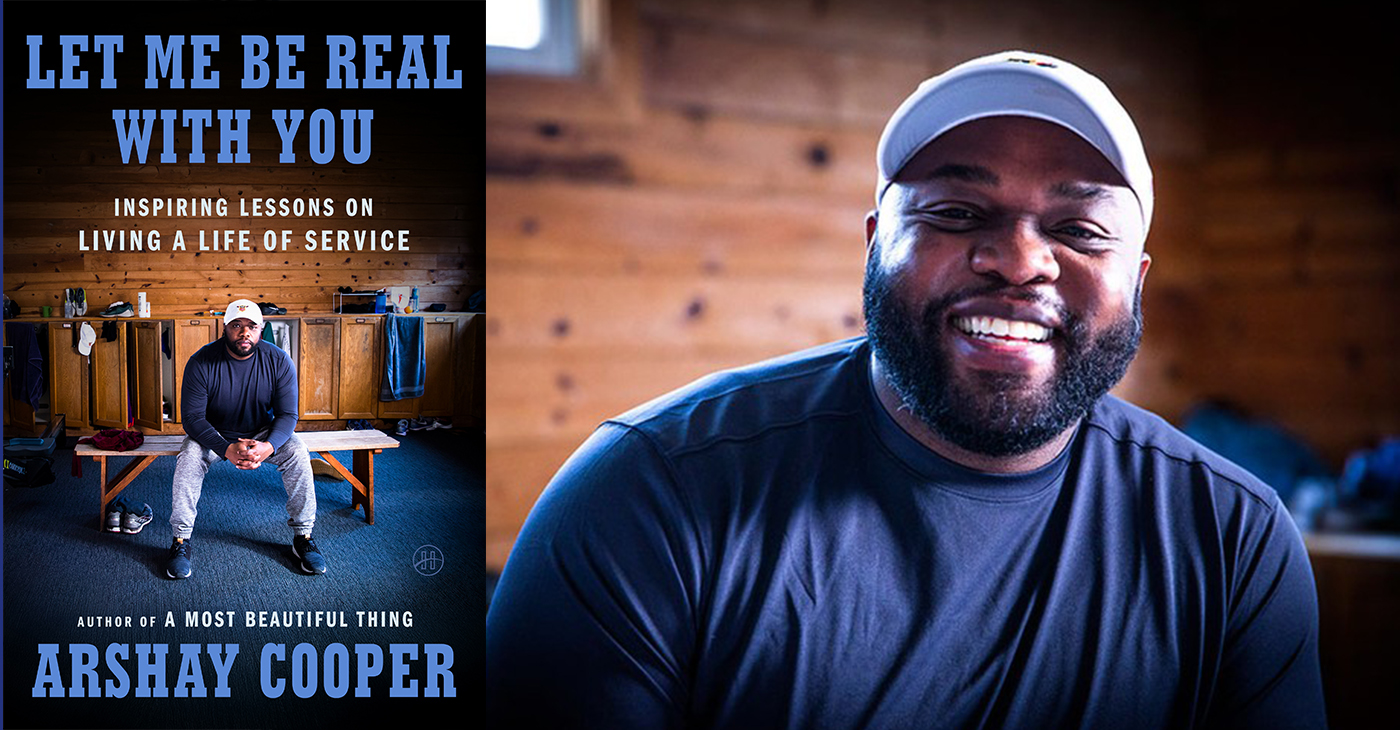
By Terri Schlichenmeyer
Author: Arshay Cooper, Copyright: c.2025, Publisher: HarperOne, SRP: $26.00, Page Count: 40 Pages
The hole you’re in is a deep one.
You can see the clouds above, and they look like a storm; you sense the wind, and it’s cold. It’s dark down there, and lonesome, too. You feel like you were born there — but how do you get out of the deep hole you’re in? You read the new book “Let Me Be Real With You” by Arshay Cooper. You find a hand-up and bring someone with you.
In the months after his first book was published, Cooper received a lot of requests to speak to youth about his life growing up on the West Side of Chicago, his struggles, and his many accomplishments. He was poor, bullied, and belittled, but he knew that if he could escape those things, he would succeed. He focused on doing what was best, and right. He looked for mentors and strove to understand when opportunities presented themselves.
Still, his early life left him with trauma. Here, he shows how it’s overcome-able.
We must always have hope, Cooper says, but hope is “merely the catalyst for action. The hope we receive must transform into the hope we give.”
Learn to tell your own story, as honestly as you know it. Be open to suggestions, and don’t dismiss them without great thought. Know that masculinity doesn’t equal stoicism; we are hard-wired to need other people, and sharing “pain and relatability can dissipate shame and foster empathy in powerful ways.”
Remember that trauma is intergenerational, and it can be passed down from parent to child. Let your mentors see your potential. Get therapy, if you need it; there’s no shame in it, and it will help, if you learn to trust it. Enjoy the outdoors when you can. Learn self-control. Give back to your community. Respect your financial wellness. Embrace your intelligence. Pick your friends and relationships wisely. “Do it afraid.”
And finally, remember that “You were born to soar to great heights and rule the sky.”
You just needed someone to tell you that.
At first look, this book might seem like just any other self-help offering. It’s inspirational for casual reader and business reader, both, just like most books in this genre. Dig a little deeper, though, and you’ll spot what makes “Let Me Be Real With You” stand out.
With a willingness to discuss the struggles he tackled in the past, Cooper writes with a solidly honest voice that’s exceptionally believable, and not one bit dramatic. You won’t find unnecessarily embellished stories or tall tales here, either; Cooper instead uses his real experiences to help readers understand that there are few things that are truly insurmountable. He then explains how one’s past can shape one’s future, and how today’s actions can change the future of the world.
“Let Me Be Real With You” is full of motivation, and instruction that’s do-able for adults and teens. If you need that, or if you’ve vowed to do better this coming year, it might help make you whole.

Advertorial
When children struggle emotionally, it can affect every part of their lives — at home, in school, with friends, and even their physical health. In many Black families, we’re taught to be strong and push through. But our kids don’t have to struggle alone. Medi-Cal provides mental health care for children and youth, with no referral or diagnosis required.
Through California Advancing and Innovating Medi-Cal (CalAIM), the state is transforming how care is delivered. Services are now easier to access and better connected across mental health, physical health, and family support systems. CalAIM brings care into schools, homes, and communities, removing barriers and helping children get support early, before challenges escalate.
Help is Available, and it’s Covered
Under Medi-Cal, every child and teen under age 19 has the right to mental health care. This includes screenings, therapy, medication support, crisis stabilization, and help coordinating services. Parents, caregivers, and children age 12 or older can request a screening at any time, with no diagnosis or referral required.
Medi-Cal’s Mental Health and Substance Use Disorder Program
For children and youth with more serious mental health needs, including those in foster care or involved in the justice system, Medi-Cal offers expanded support, including:
- Family-centered and community-based therapy to address trauma, behavior challenges, or system involvement.
- Wraparound care teams that help keep children safely at home or with relatives.
- Activity funds that support healing through sports, art, music, and therapeutic camps.
- Initial joint behavioral health visits, where a mental health provider and child welfare worker meet with the family early in a case.
- Child welfare liaisons in Medi-Cal health plans who help caregivers and social workers get services for children faster
Keeping Kids Safe from Opioids and Harmful Drugs
DHCS is also working to keep young people safe as California faces rising risks from opioids and counterfeit pills. Programs like Elevate Youth California and Friday Night Live give teens mentorship, leadership opportunities, and positive outlets that strengthen mental well-being.
Through the California Youth Opioid Response, families can learn how to avoid dangerous substances and get treatment when needed. Song for Charlie provides parents and teens with facts and tools to talk honestly about mental health and counterfeit pills.
DHCS also supports groups like Young People in Recovery, which helps youth build skills for long-term healing, and the Youth Peer Mentor Program, which trains teens with lived experience to support others. These efforts are part of California’s strategy to protect young people, prevent overdoses, and help them make healthier choices.
Support for Parents and Caregivers
Children thrive when their caregivers are supported. Through CalAIM’s vision of whole-person care, Medi-Cal now covers dyadic services, visits where a child and caregiver meet together with a provider to strengthen bonding, manage stress, and address behavior challenges.
These visits may include screening the caregiver for depression or anxiety and connecting them to food, housing, or other health-related social needs, aligning with CalAIM’s Community Supports framework. Notably, only the child must be enrolled in Medi-Cal to receive dyadic care.
Family therapy is also covered and can take place in clinics, schools, homes, or via telehealth, reflecting CalAIM’s commitment to flexible, community-based care delivery.
Additionally, BrightLife Kids offers free tools, resources, and virtual coaching for caregivers and children ages 0–12. Families can sign up online or through the BrightLife Kids app. No insurance, diagnosis, or referral is required.
For teens and young adults ages 13–25, California offers Soluna, a free mental health app where young people can chat with coaches, learn coping skills, journal, or join supportive community circles. Soluna is free, confidential, available in app stores, and does not require insurance.
CalHOPE also provides free emotional support to all Californians through a 24/7 support line at (833) 317-HOPE (4673), online chat, and culturally responsive resources.
Support at School — Where Kids Already Are
Schools are often the first place where emotional stress is noticed. Through the Children and Youth Behavioral Health Initiative (CYBHI), public schools, community colleges, and universities can offer therapy, counseling, crisis support, and referrals at no cost to families.
Services are available during school breaks and delivered on campus, by phone or video, or at community sites. There are no copayments, deductibles, or bills.
Medi-Cal Still Covers Everyday Care
Medi-Cal continues to cover everyday mental health care, including therapy for stress, anxiety, depression, or trauma; medication support; crisis stabilization; hospital care when needed; and referrals to community programs through county mental health plans and Medi-Cal health plans.
How to Get Help
- Talk to your child’s teacher, school counselor, or doctor.
- In Alameda County call 510-272-3663 or the toll-free number 1-800-698-1118 and in San Francisco call 855-355-5757 to contact your county mental health plan to request an assessment or services.
- If your child is not enrolled in Medi-Cal, you can apply at com or my.medi-cal.ca.gov.
- In a mental health emergency, call or text 988, the Suicide and Crisis Lifeline.
Every child deserves to grow up healthy and supported. Medi-Cal is working to transform care so it’s accessible, equitable, and responsive to the needs of every family.
Activism
ESSAY: The Hidden Toll — Federal Rollbacks Threaten Black Women’s Health in California
Nutrition assistance programs, which many Black women rely on to keep their families healthy and out of the hospital, are similarly endangered. Nearly half of Black women in California receive WIC, and 47% percent use CalFresh. Cuts or cost-shifts in those programs would worsen food insecurity, especially during pregnancy and postpartum. Malnutrition or diet instability can lead to adverse birth outcomes, weakened immunity, and worse recovery from medical interventions.

By Kellie Todd Griffin, Special to California Black Media Partners
If recent proposals in Congress to cut funding for federal social programs succeed, the downstream effects will not be abstract or distant.
They will be immediate and blunt — and felt in every clinic, every hospital, and most homes where Black women are struggling to maintain our health, care for her children, and stay afloat. In California, where Black women already navigate a terrain of deep systemic inequities, these cuts would be catastrophic.
As a lifelong advocate for Black women in California — through my research and lived experience – I’ve seen firsthand the entrenched medical and social disparities that leave too many Black women struggling to live healthy, fulfilling lives.
Across the spectrum of care — from mental, maternal, and perinatal health to chronic diseases like diabetes, hypertension, cancer, and uterine fibroids — Black women in California continue to bear a disproportionate burden.
Implicit bias in maternity care, for example, continues to be a challenge. It is a documented contributor to the fact that, in California, Black women die from pregnancy-related causes at three to four times the rate of White women.
Now, federal proposals on the table to slash funding for the very programs Black women rely on most: Medicaid (Medi-Cal in California) SNAP/CalFresh, WIC, and federal housing and income supports. As reported in the California Budget and Policy Equity on the Line report, about one in three Black women and children in California currently depend on Medi-Cal. If federal cuts were to force reductions in eligibility, benefits, or provider reimbursements, many Black women would lose access to primary care, chronic disease management, reproductive care, mental health and substance-use treatment, cancer screenings, and prenatal/postnatal services.

In a state already grappling with stark racial health disparities, removing coverage is not just harmful — it magnifies injustice. Black women in California face higher rates of poor health overall, lower life expectancy, and worse prenatal care statistics. When the safety net frays, they will be forced into impossible trade-offs: skip medications, delay care, or incur medical debt.
Nutrition assistance programs, which many Black women rely on to keep their families healthy and out of the hospital, are similarly endangered. Nearly half of Black women in California receive WIC, and 47% percent use CalFresh. Cuts or cost-shifts in those programs would worsen food insecurity, especially during pregnancy and postpartum. Malnutrition or diet instability can lead to adverse birth outcomes, weakened immunity, and worse recovery from medical interventions.
Compounding the harm is the assault on social determinants of health. The Equity on the Line analysis shows that housing assistance, income support, and childcare subsidies are already stretched thin. Any rollback will accelerate housing instability, homelessness risk, and family stress — all of which manifest in worse health outcomes: higher hypertension, depression, chronic illness, and reduced ability to adhere to medical regimens.
California has taken important steps to protect Black women’s health. One good example is Assembly Bill, AB 2319, authored by Assemblymember Lori D. Wilson (D-Suisun City). That law strengthens the Dignity in Pregnancy and Childbirth Act by expanding and enforcing implicit bias training for providers in perinatal settings, and requiring reporting and penalties for noncompliance.
The state is also taking legal and policy action to mitigate the impact of cuts to SNAP/CalFresh food stamp benefits – like mobilizing $80 million in state funds to support food banks. It is also taking action to shore up against federal cuts to Medi-Cal.
In our communities, organizations like California Black Women’s Health Project and Black Women for Wellness are already doing the groundwork — advocating for culturally centered care, education, and infrastructure to mitigate harm.
As Californians, we must all roll up our sleeves and amplify and bolster their efforts. These organizations serve as our voice. They are our watchdogs, too, documenting where bias persists, where systems fail, and where state enforcement is weak.
The stakes are too high for complacency. As we strategize to keep Black women healthy, we must also document and share our stories with others — every death, every untreated illness, every delayed pregnancy.
Let us be resolute, organized, hopeful, and persistent. California can be a model of how a state defends Black women’s health amid significant challenges, presenting a full vision to America, and the world, of how we can make health justice a reality and make California healthier for all our communities.
About the Author
Kellie Todd Griffin, President and CEO of the California Black Women’s Collective Empowerment Institute. With a deep commitment to equity and justice, she champions initiatives that amplify the voices and influence of Black women across California. Known for her strategic insight and passion for community empowerment, Kellie is a driving force in fostering systemic change and collective progress.


WORK FROM HOME
Home-based business with potential monthly income of $10K+ per month. A proven training system and website provided to maximize business effectiveness. Perfect job to earn side and primary income. Contact Lynne for more details: Lynne4npusa@gmail.com 800-334-0540


OP-ED: AB 1349 Puts Corporate Power Over Community

Oakland Post: Week of December 31, 2025 – January 6, 2026

Big God Ministry Gives Away Toys in Marin City

First 5 Alameda County Distributes Over $8 Million in First Wave of Critical Relief Funds for Historically Underpaid Caregivers

2025 in Review: Seven Questions for Assemblymember Lori Wilson — Advocate for Equity, the Environment, and More

2025 in Review: Seven Questions for Assemblymember Tina McKinnor, Champion of Reparations, Housing and Workers’ Rights

2025 in Review: Seven Questions for Sen. Laura Richardson, Who Made Legislative History This Year

2025 in Review: Seven Questions for Sen. Lola Smallwood-Cuevas – an Advocate for Jobs and Justice

Alfred Cralle: Inventor of the Ice Cream Scoop

BOOK REVIEW: Let Me Be Real With You

Oakland Post: Week of December 24 – 30, 2025

Bling It On: Holiday Lights Brighten Dark Nights All Around the Bay

Oakland Council Expands Citywide Security Cameras Despite Major Opposition

Lu Lu’s House is Not Just Toying Around with the Community

Desmond Gumbs — Visionary Founder, Mentor, and Builder of Opportunity

Oakland Post: Week of November 26 – December 2, 2025

Seth Curry Makes Impressive Debut with the Golden State Warriors

LIHEAP Funds Released After Weeks of Delay as States and the District Rush to Protect Households from the Cold

Seven Steps to Help Your Child Build Meaningful Connections

Seven Steps to Help Your Child Build Meaningful Connections

Post Salon to Discuss Proposal to Bring Costco to Oakland Community meeting to be held at City Hall, Thursday, Dec. 18

Mayor Lee, City Leaders Announce $334 Million Bond Sale for Affordable Housing, Roads, Park Renovations, Libraries and Senior Centers

FBI Report Warns of Fear, Paralysis, And Political Turmoil Under Director Kash Patel

Oakland Post: Week of December 10 – 16, 2025

Trinidad and Tobago – Prime Minister Confirms U.S. Marines Working on Tobago Radar System

Oakland School Board Grapples with Potential $100 Million Shortfall Next Year

2025 in Review: Seven Questions for Black Women’s Think Tank Founder Kellie Todd Griffin

A Nation in Freefall While the Powerful Feast: Trump Calls Affordability a ‘Con Job’

Teens Reject Today’s News as Trump Intensifies His Assault on the Press

Fayeth Gardens Holds 3rd Annual Kwanzaa Celebration at Hayward City Hall on Dec. 28

Hyundai Ioniq 5 Parking, Safety, and 360 View #shorts

2025 Ioniq 5 New Wiper & Powerful Performance! #shorts

Electric SUV Range: Is 259 Miles Enough? #shorts

EV Charging: How Fast Can You Charge an Electric Vehicle? #shorts

Biometric Cooling… Messaging Seats…Come on! 2025 Infiniti QX80 Autograph 4WD

Charged Up: Witness the Magic of a Fully Electric Car! #shorts

Range Rover Sport PHEV Included…: See What’s Inside This Luxury SUV! #shorts

Invisible Hood View: Perfect Parking with X-Ray Vision! #shorts

AI Is Reshaping Black Healthcare: Promise, Peril, and the Push for Improved Results in California

ESSAY: Technology and Medicine, a Primary Care Point of View

Sanctuary Cities

The RESISTANCE – FREEDOM NOW

STATE OF THE PEOPLE: Freddie

ECONOMIC BOYCOTT DAY!!!!!

I told You So
-
 Bay Area4 weeks ago
Post Salon to Discuss Proposal to Bring Costco to Oakland Community meeting to be held at City Hall, Thursday, Dec. 18
-
 Activism4 weeks ago
Mayor Lee, City Leaders Announce $334 Million Bond Sale for Affordable Housing, Roads, Park Renovations, Libraries and Senior Centers
-
 Activism4 weeks ago
Oakland Post: Week of December 10 – 16, 2025
-
 Activism4 weeks ago
Oakland School Board Grapples with Potential $100 Million Shortfall Next Year
-
 Activism4 weeks ago
2025 in Review: Seven Questions for Black Women’s Think Tank Founder Kellie Todd Griffin
-
 Arts and Culture4 weeks ago
Fayeth Gardens Holds 3rd Annual Kwanzaa Celebration at Hayward City Hall on Dec. 28
-

 Advice4 weeks ago
COMMENTARY: If You Don’t Want Your ‘Black Card’ Revoked, Watch What You Bring to Holiday Dinners
-

 Activism4 weeks ago
Ann Lowe: The Quiet Genius of American Couture
