
National
‘No Greater Pain’ Than Burying Your Murdered Child


Mothers of murdered children (left to right): Constance Wilson, Vanessa Byrd and Andrea Clark.
By Zenobia Jeffries
Special to the NNPA
SPECIAL REPORT
DETROIT – Most women say there is no greater pain than to bear a child, I say there is no greater pain than to bury one. — Andrea Clark, founder, Mothers of Murdered Children
Three Detroit youths were shot in one incident last month. One died. Two were critically wounded. Their ages range from late teens to early 20s. According to the Detroit Police Department: “Three (B)lack males were sitting in a red Pontiac G6 when an unknown (B)lack male driving an unknown black vehicle pulled up, got out of the vehicle, walked to their vehicle and started firing shots.”
No further information was given. The suspect had not been apprehended at press time.
“No parent should have to bury their child. It’s not the natural order of things,” says Andrea Clark, founder of local organization Mother of Murdered Children.
Yet, increasingly thousands of mothers and fathers across the country have joined the growing number of parents who suffer from losing a child to gun and other physical violence. Many of the victims under 25 years of age have been killed by members of their own communities, others by law enforcement officers sworn to protect and serve them.
Detroit topped the list of most dangerous cities for the second year in a row with a violent crime rate of 2,072 per 100,000 and murder rate of 45 per 100,000. And although overall violent crime numbers are down in the city emerging from bankruptcy, homicides are up 14 percent. There was nearly a homicide a day in March — more than 20, according to the Detroit Police Commission. There have been 113 homicides in the city so far this year.
More than 80 percent of Detroit’s 700,000 residents are African American. It is joined by cities such as Chicago, Philadelphia, Ferguson, Mo., Baltimore, Md. that have predominately or large numbers of Black citizens, and high crime rates.
According to the Washington Post, U.S. police officers have shot and killed 385 people in the past five months, a rate of more than two people a day.
With the killing of Eric Garner by a New York police officer who choked Garner to death, followed by the shooting-death of 18-year-old Michael Brown, countless other killings of Black males and protests of injustice over their deaths have headlined media broadcasts and publications — as well as flooded social media sites, for nearly a year.
The mission of MOMC is to prevent violence through education and proactive intervention with children, young adults, families and community organizations. Frustrated with the lack of support and resources in their communities, MOMC joined similar organizations nationwide in the nation’s capital recently to lobby for policy to end gun violence (and homicides) in the U.S.
The other organizations included Mothers In Charge Inc., WAMD —Women Across America Making a Difference; PEACE — Parents Encouraging Accountability and Closure for Everyone; and Mothers Against Gun Violence), along with residents from their communities will gather at the Lincoln Memorial’s Reflecting Pool for The Standing for Peace and Justice Rally calling on lawmakers to declare gun violence/homicide … a public health crisis.
Homicide is the leading cause of death among young African American males between 14 and 25 years of age. Such information is rarely included in the national debate about the epidemic of gun violence in America, says Clark.
Gun violence has claimed the lives of more than 30,000 men, women and children in recent years, according to the Centers for Disease Control. Killers, the CDC reports, used guns to murder 11,000 people in 2010 in the U.S., the latest year for which statistics are available. Twenty thousand others used guns to commit suicides that year and 73,000 were rushed to hospital emergency rooms for gunshot wounds
Clark’s son, Darnell, was killed in April 2011. He was taking pictures for a friend’s birthday at a nightclub in downtown Detroit when a fight broke out. Clark says the security for the nightclub had everyone exit the building. While attempting to drive away in his vehicle, shots rang out and Darnell was struck. Clark’s grief led her to create the organization Mothers of Murdered Children, only months later.
“I was just reaching for anything, a lifeline, anything,” she says, explaining the challenges she endured in getting information from the DPD regarding her son’s case. With questions looming, she spoke to a friend about the idea of a group to help mothers who experience her same suffering. MOMC was a vision from God she says.
“Once I started talking to all these different mothers, I just put my (pain) on the back burner. I think I was living through their pain and trying to fix them. And forgot…,” her voice broke, and her eyes watered.
Although Andrea has told the story of her son’s death on multiple occasions she began to cry as she reminisced about the good times, and the irony.
Darnell was an aspiring photographer, and he was a dad — a great dad. “My son didn’t even like going to clubs,” she said.
Mary Groat, of Wyandotte, is one of the original members of MOMC. Her son Scott was killed December 2011while leaving a party where he’d just sung backup in a band. No one’s been charged in his death.
A musician and tattoo artist who was planning to open his own shop, Scott was also a youth speaker for Beacon Baptist Church.
“He was a goof ball, says Mary. “I can hear him say, “Ma, you better get in that church.”
Andrea and Mary share similar fates with Rose Ford whose son, Darrlye Miller, was killed for his Cartier glasses, also at a nightclub in downtown Detroit; Constance Williams whose son Justin was randomly shot and killed on the 4th of July at a park; Brenda Hill whose son Brandan Rogers was killed along with his friend Melynda Goodwin while walking her to her car; and Gail Dunson whose son Brian was killed in his driveway.
“Senseless gun violence,” is how Williams describes the cause of her son’s death.
It was July 2013. A fight broke out at a neighborhood fireworks display on the west side of the city. Justin, 24, had taken the day off from work to take his younger sister, who was 18, to see the fireworks held annually in Outer Drive/Schafer area.
“What I’ve heard is that earlier in the evening a fight broke out, my son wasn’t involved,” Williams said.
She described her son as sheltered.
“He grew up in Catholic school (although he graduated from a Detroit Public School) because I was afraid of gangs,” she pauses. “To know Justin is to love him.”
Her son’s death came as a shock to anyone who knew him, Williams says.
“He was the type of person who, if trouble was breaking out he was going the other way. He wasn’t about the business of trouble he was about going to school, going to work, making money the legal way,” she said.
And helping others. Though it may not have been is ideal job, says his mother, Justin was a mental health assistant at the Samaritan Center.
“Helping people was Justin’s nature,” she said.
Justin’s case is still open, and Constance Williams like many other mothers has found herself without closure.
“The police did the investigation….One person came into the funeral home and came up to me and asked, ‘Are you his mother? … I saw everything” (they) wanted to go into detail, but I wasn’t the strong person I am now, told (them) to give it to my best friend, who was next to me.
I provided that information to the detective. He said he visited, but because (the person) was drinking and smoking weed (they) couldn’t be a credible witness.”
Personalities clashed, says Williams, a city worker for almost 30 years.
“It’s been quite a task dealing with the police department. I try to be sympathetic but not to the point where they forget about my son’s case,” she said. “I know Justin’s case is not the only case…but (he) could have followed up. I’m a grieving mom, but I’m not expecting anybody to do anything special for me. The same level I’m expecting for my son, anybody should get. I know they have a lot, but I don’t want his file to get to the bottom of the file.”
Scott and Justin’s cases are among hundreds of the DPD’s cold case files extending back more than 30 years. The unit, which was disbanded in 2013, was recently reinstated, according to DPD Asst. Chief Steve Dolunt.
“We’ve lost more lives to homicides in Detroit than in the last 30 years of war,” Dolunt said in an interview. “Isn’t that sad?”
For more information visit http://www.mothersofmurderedchildren.org, www.mothersincharge.org or http://wanmad.org, or call 215.228.1718 or 877.304.6667 (toll free).


Activism
Oakland Post: Week of December 31, 2025 – January 6, 2026
The printed Weekly Edition of the Oakland Post: Week of – December 31, 2025 – January 6, 2026

To enlarge your view of this issue, use the slider, magnifying glass icon or full page icon in the lower right corner of the browser window.
Activism
2025 in Review: Seven Questions for Assemblymember Lori Wilson — Advocate for Equity, the Environment, and More
Her rise has also included several historic firsts: she is the only Black woman ever appointed to lead the influential Assembly Transportation Committee, and the first freshman legislator elected Chair of the California Legislative Black Caucus. She has also been a vocal advocate for vulnerable communities, becoming the first California legislator to publicly discuss being the parent of a transgender child — an act of visibility that has helped advanced representation at a time when political tensions related to social issues and culture have intensified.
By Edward Henderson, California Black Media
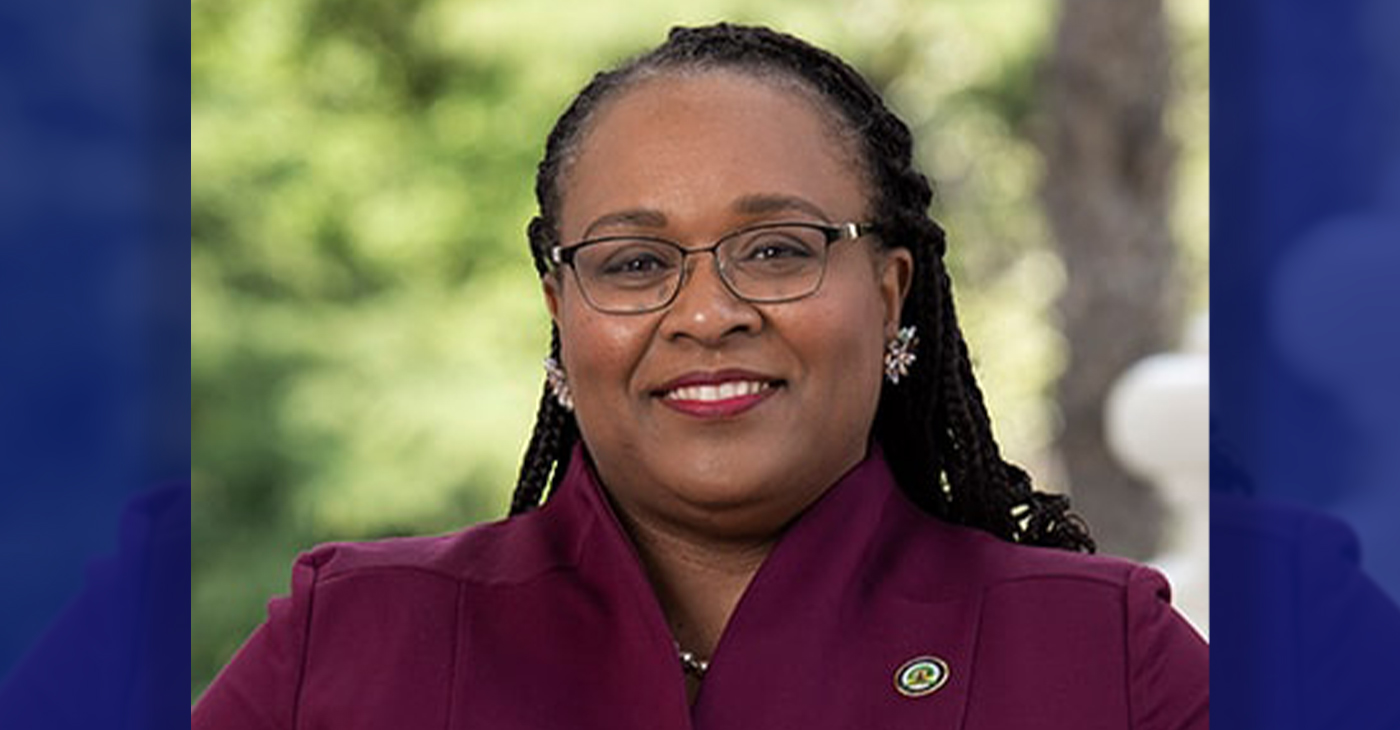
Assemblymember Lori D. Wilson (D-Suisun City) joined the California Legislature in 2022 after making history as Solano County’s first Black female mayor, bringing with her a track record of fiscal discipline, community investment, and inclusive leadership.
She represents the state’s 11th Assembly District, which spans Solano County and portions of Contra Costa and Sacramento Counties.
Her rise has also included several historic firsts: she is the only Black woman ever appointed to lead the influential Assembly Transportation Committee, and the first freshman legislator elected Chair of the California Legislative Black Caucus. She has also been a vocal advocate for vulnerable communities, becoming the first California legislator to publicly discuss being the parent of a transgender child — an act of visibility that has helped advanced representation at a time when political tensions related to social issues and culture have intensified.
California Black Media spoke with Wilson about her successes and disappointments this year and her outlook for 2026.
What stands out as your most important achievement this year?
Getting SB 237 passed in the Assembly. I had the opportunity to co-lead a diverse workgroup of colleagues, spanning a wide range of ideological perspectives on environmental issues.
How did your leadership contribute to improving the lives of Black Californians this year?
The Black Caucus concentrated on the Road to Repair package and prioritized passing a crucial bill that remained incomplete during my time as chair, which establishes a process for identifying descendants of enslaved people for benefit eligibility.
What frustrated you the most this year?
The lack of progress made on getting Prop 4 funds allocated to socially disadvantaged farmers. This delay has real consequences. These farmers have been waiting for essential support that was promised. Watching the process stall, despite the clear need and clear intent of the voters, has been deeply frustrating and reinforces how much work remains to make our systems more responsive and equitable.
What inspired you the most this year?
The resilience of Californians persists despite the unprecedented attacks from the federal government. Watching people stay engaged, hopeful, and determined reminded me why this work matters and why we must continue to protect the rights of every community in our state.
What is one lesson you learned this year that will inform your decision-making next year?
As a legislator, I have the authority to demand answers to my questions — and accept nothing less. That clarity has strengthened my approach to oversight and accountability.
In one word, what is the biggest challenge Black Californians are facing currently?
Affordability and access to quality educational opportunities.
What is the goal you want to achieve most in 2026?
Advance my legislative agenda despite a complex budget environment. The needs across our communities are real, and even in a tight fiscal year, I’m committed to moving forward policies that strengthen safety, expand opportunity, and improve quality of life for the people I represent.
Activism
2025 in Review: Seven Questions for Assemblymember Tina McKinnor, Champion of Reparations, Housing and Workers’ Rights
In 2025, McKinnor pushed forward legislation on renters’ protections, re-entry programs, reparations legislation, and efforts to support Inglewood Unified School District. She spoke with California Black Media about the past year and her work. Here are her responses.
By Joe W. Bowers Jr., California Black Media
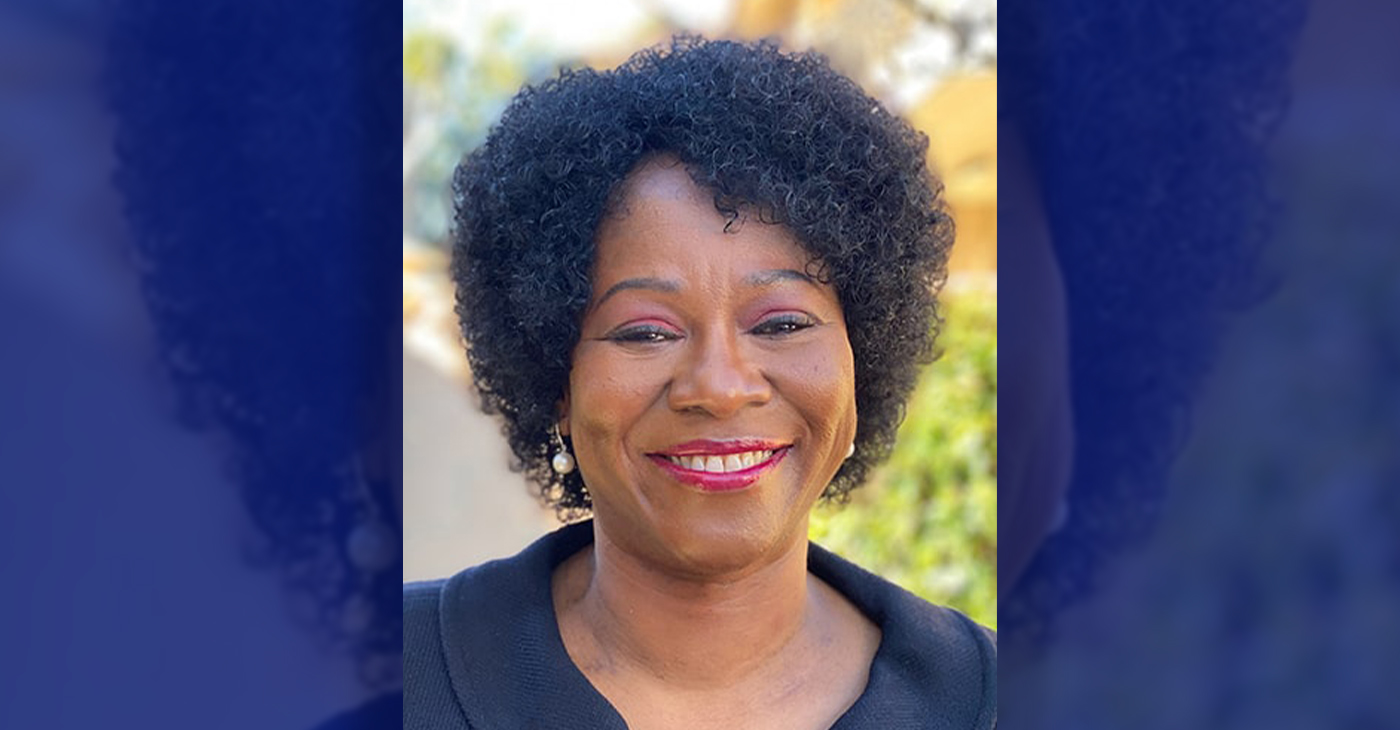
Assemblymember Tina McKinnor (D-Inglewood) represents
California’s 61st Assembly District.
As a member of the California Legislative Black Caucus (CLBC),
McKinnor was elected in 2022. She chairs the Los Angeles County Legislative Delegation and leads the Assembly Public Employment and Retirement Committee. McKinnor also served as a civic engagement director, managed political campaigns, and worked as chief of staff for former Assemblymembers Steven Bradford and Autumn Burke.
In 2025, McKinnor pushed forward legislation on renters’ protections, re-entry programs, reparations legislation, and efforts to support Inglewood Unified School District. She spoke with California Black Media about the past year and her work. Here are her responses.
Looking back on 2025, what do you see as your biggest win?
Assembly Bill (AB) 628. If rent is $3,000, people should at least have a stove and a refrigerator. It’s ridiculous that people were renting without basic appliances.
I’m also proud that I was able to secure $8.4 million in the state budget for people coming home from incarceration. That includes the Homecoming Project, the menopause program for incarcerated women, and the Justice Leaders Program.
How did your leadership help make life better for Black Californians this year?
After the Eaton Fire, I pushed to get the same kind of support for affected areas that wealthier regions get after disasters.
I also did a lot of work building political power— establishing the Black Legacy PAC and California for All of Us PAC so we could support Black candidates and educate voters. We also called voters to make sure they understood Prop 50.
People need to understand this: there are only 12 Black legislators in the Capitol. Folks act like we can just walk in and pass reparations, but that’s not how it works.
What frustrated you most this year?
The governor did not have the political will to sign these bills: AB 57 and AB 62. They both passed overwhelmingly in the Assembly and the Senate. We did the work. The only person who didn’t have the political will to sign them was the governor.
The public needs to ask the governor why he didn’t sign the bills. We can’t keep letting people off the hook. He has to answer.
I also introduced AB 51 — the bill to eliminate interest payments on Inglewood Unified School District’s long-standing state loan — held in the Appropriations Committee. That was frustrating,
What inspired you most in 2025?
The civil rights trip to Alabama was life changing. We visited the Legacy Museum and the National Memorial for Peace and Justice. We took members of the Black, Latino, Jewish, and API caucuses with us. It changed all of us.
People aren’t always against us — they just don’t know our history.
What’s one lesson from 2025 that will shape how you approach decisions next year?
The legislative trip to Norway taught me that collaboration matters. Government, labor, and industry sit down together there. They don’t make villains. Everybody doesn’t get everything they want, but they solve problems.
What’s the biggest challenge facing Black Californians in one word?
Inequity. It shows up in housing, wealth, stress – all these things.
What’s the number one goal you want to accomplish in 2026?
Bringing back AB 57 and AB 62, and securing money for the Inglewood Unified loan interest forgiveness.


WORK FROM HOME
Home-based business with potential monthly income of $10K+ per month. A proven training system and website provided to maximize business effectiveness. Perfect job to earn side and primary income. Contact Lynne for more details: Lynne4npusa@gmail.com 800-334-0540


OP-ED: AB 1349 Puts Corporate Power Over Community

Oakland Post: Week of December 31, 2025 – January 6, 2026

Big God Ministry Gives Away Toys in Marin City

First 5 Alameda County Distributes Over $8 Million in First Wave of Critical Relief Funds for Historically Underpaid Caregivers

2025 in Review: Seven Questions for Assemblymember Lori Wilson — Advocate for Equity, the Environment, and More

2025 in Review: Seven Questions for Assemblymember Tina McKinnor, Champion of Reparations, Housing and Workers’ Rights

2025 in Review: Seven Questions for Sen. Laura Richardson, Who Made Legislative History This Year

2025 in Review: Seven Questions for Sen. Lola Smallwood-Cuevas – an Advocate for Jobs and Justice

Alfred Cralle: Inventor of the Ice Cream Scoop

BOOK REVIEW: Let Me Be Real With You

Oakland Post: Week of December 24 – 30, 2025

Bling It On: Holiday Lights Brighten Dark Nights All Around the Bay

Oakland Council Expands Citywide Security Cameras Despite Major Opposition

Lu Lu’s House is Not Just Toying Around with the Community

Desmond Gumbs — Visionary Founder, Mentor, and Builder of Opportunity

Oakland Post: Week of November 26 – December 2, 2025

Seth Curry Makes Impressive Debut with the Golden State Warriors

LIHEAP Funds Released After Weeks of Delay as States and the District Rush to Protect Households from the Cold

Seven Steps to Help Your Child Build Meaningful Connections

Seven Steps to Help Your Child Build Meaningful Connections

Post Salon to Discuss Proposal to Bring Costco to Oakland Community meeting to be held at City Hall, Thursday, Dec. 18

Mayor Lee, City Leaders Announce $334 Million Bond Sale for Affordable Housing, Roads, Park Renovations, Libraries and Senior Centers

FBI Report Warns of Fear, Paralysis, And Political Turmoil Under Director Kash Patel

Oakland Post: Week of December 10 – 16, 2025

Oakland School Board Grapples with Potential $100 Million Shortfall Next Year

Trinidad and Tobago – Prime Minister Confirms U.S. Marines Working on Tobago Radar System

2025 in Review: Seven Questions for Black Women’s Think Tank Founder Kellie Todd Griffin

Fayeth Gardens Holds 3rd Annual Kwanzaa Celebration at Hayward City Hall on Dec. 28

A Nation in Freefall While the Powerful Feast: Trump Calls Affordability a ‘Con Job’

Teens Reject Today’s News as Trump Intensifies His Assault on the Press

Hyundai Ioniq 5 Parking, Safety, and 360 View #shorts

2025 Ioniq 5 New Wiper & Powerful Performance! #shorts

Electric SUV Range: Is 259 Miles Enough? #shorts

EV Charging: How Fast Can You Charge an Electric Vehicle? #shorts

Biometric Cooling… Messaging Seats…Come on! 2025 Infiniti QX80 Autograph 4WD

Charged Up: Witness the Magic of a Fully Electric Car! #shorts

Range Rover Sport PHEV Included…: See What’s Inside This Luxury SUV! #shorts

Invisible Hood View: Perfect Parking with X-Ray Vision! #shorts

AI Is Reshaping Black Healthcare: Promise, Peril, and the Push for Improved Results in California

ESSAY: Technology and Medicine, a Primary Care Point of View

Sanctuary Cities

The RESISTANCE – FREEDOM NOW

STATE OF THE PEOPLE: Freddie

ECONOMIC BOYCOTT DAY!!!!!

I told You So
-
 Bay Area4 weeks ago
Post Salon to Discuss Proposal to Bring Costco to Oakland Community meeting to be held at City Hall, Thursday, Dec. 18
-
 Activism4 weeks ago
Mayor Lee, City Leaders Announce $334 Million Bond Sale for Affordable Housing, Roads, Park Renovations, Libraries and Senior Centers
-
 Activism4 weeks ago
Oakland Post: Week of December 10 – 16, 2025
-
 Activism4 weeks ago
Oakland School Board Grapples with Potential $100 Million Shortfall Next Year
-
 Activism4 weeks ago
2025 in Review: Seven Questions for Black Women’s Think Tank Founder Kellie Todd Griffin
-
 Arts and Culture4 weeks ago
Fayeth Gardens Holds 3rd Annual Kwanzaa Celebration at Hayward City Hall on Dec. 28
-

 Advice4 weeks ago
COMMENTARY: If You Don’t Want Your ‘Black Card’ Revoked, Watch What You Bring to Holiday Dinners
-

 Activism4 weeks ago
Ann Lowe: The Quiet Genius of American Couture
