
National
2 Brothers Pardoned, Clearing Way for Them to Receive $750K


In an Tuesday, Aug. 26, 2014 file photo, Leon Brown speaks with a reporter at the Maury Correctional Institution in Maury, N.C., about his incarceration. Brown and his half-brother Henry McCollum were pardoned Thursday, June 4, 2015, by Gov. Pat McCrory in the 1983 rape and killing of a girl, clearing the way for them to each receive $750,000 in compensation from the state. McCrory’s pardons for McCollum and his Brown came months after a judge vacated their convictions and ordered their release, citing new DNA evidence that points to another man killing and raping 11-year-old Sabrina Buie. (Chuck Liddy/The News & Observer via AP, File)
JONATHAN DREW, Associated Press
RALEIGH, N.C. (AP) — Two brothers wrongfully imprisoned for three decades in the killing of an 11-year-old girl say pardons will help them move on “with not just a clear conscience, but a clear name.”
It will also help them adjust to life on the outside with hundreds of thousands of dollars in compensation. The governor’s action Thursday qualified the brothers for $750,000 from the state.
Family and friends of Henry McCollum and Leon Brown were jubilant in early September after a judge vacated their convictions and ordered their release, citing new DNA evidence that points to another man killing and raping 11-year-old Sabrina Buie in 1983.
But their freedom has been difficult. Both men spent much of their adult life in prison. When McCollum walked out of death row, he needed help putting on the seatbelt in his father’s car. At the time, he had never owned a cellphone and was unaccustomed to the Internet. Each man was given $45 by prison officials when they left.
North Carolina Gov. Pat McCrory said he decided to issue the pardons after a comprehensive process that included meetings with Brown, who’s 47; and McCollum, who’s 51.
“I’m not going to rush into making an important decision. I’m going to do the right thing,” he said.
McCollum had been the longest-serving inmate on North Carolina’s death row. His half brother Brown had been serving life in prison.
“Today we put the past behind us with not just a clear conscience, but a clear name, committed to living a good life and doing God’s work,” the men said in a statement released by their lawyer, Patrick Megaro.
They also thanked the governor, their family and all the lawyers who have worked on their cases.
The brothers didn’t attend the governor’s announcement. They said earlier this year that they have had a hard time since their release.
“I can’t do nothing to help my family,” McCollum told the Raleigh News & Observer in January. “They’re not able to pay their bills.”
The newspaper reported that lawyers at the Center for Death Penalty Litigation in Durham held a fundraiser for them, and others donated money after reading about the case.
The pardon qualifies the brothers for $50,000 from the state for each year they were imprisoned, with a limit of $750,000. The compensation still needs to be approved by a state agency, but it is considered a formality. It’s not clear exactly when they could get the money.
In September 1983, Buie was found in a soybean field in rural Robeson County, naked except for a bra pushed up against her neck. A short distance away, police found two bloody sticks and cigarette butts.
Defense attorneys have said the brothers were scared teenagers who had low IQs when they were questioned by police and coerced into confessing. McCollum was then 19, and Brown was 15.
The DNA from the cigarette butts doesn’t match Brown or McCollum, and fingerprints taken from a beer can at the scene weren’t theirs either. No physical evidence connects them to the crime, a judge and prosecutor acknowledged last fall.
Based largely on their confessions, both were initially given death sentences, which were overturned. Upon retrial, McCollum was again sent to death row, while Brown was convicted of rape and sentenced to life.
Current Robeson County District Attorney Johnson Britt, who didn’t prosecute the men, has said he’s considering whether to reopen the case and charge the other man, whose DNA was found on a cigarette butt from the crime scene. The cigarette butt was tested as part of the recent investigation by the North Carolina Innocence Inquiry Commission, a one-of-its-kind investigative panel.
The inmate whose DNA was on the cigarette is already serving a life sentence for a similar rape and murder that happened less than a month after Sabrina’s killing.
Ken Rose, a lawyer who represented McCollum for 20 years, said he’s thrilled by the pardon but frustrated it took so many years to prove their innocence.
“We’re very happy that the governor reached this decision, but not at all surprised,” Rose said. “None of us have any doubt that they are innocent. And finally the state has acknowledged actual innocence.”
Copyright 2015 The Associated Press. All rights reserved. This material may not be published, broadcast, rewritten or redistributed.









Activism
Oakland Post: Week of December 31, 2025 – January 6, 2026
The printed Weekly Edition of the Oakland Post: Week of – December 31, 2025 – January 6, 2026

To enlarge your view of this issue, use the slider, magnifying glass icon or full page icon in the lower right corner of the browser window.
Activism
2025 in Review: Seven Questions for Assemblymember Lori Wilson — Advocate for Equity, the Environment, and More
Her rise has also included several historic firsts: she is the only Black woman ever appointed to lead the influential Assembly Transportation Committee, and the first freshman legislator elected Chair of the California Legislative Black Caucus. She has also been a vocal advocate for vulnerable communities, becoming the first California legislator to publicly discuss being the parent of a transgender child — an act of visibility that has helped advanced representation at a time when political tensions related to social issues and culture have intensified.
By Edward Henderson, California Black Media
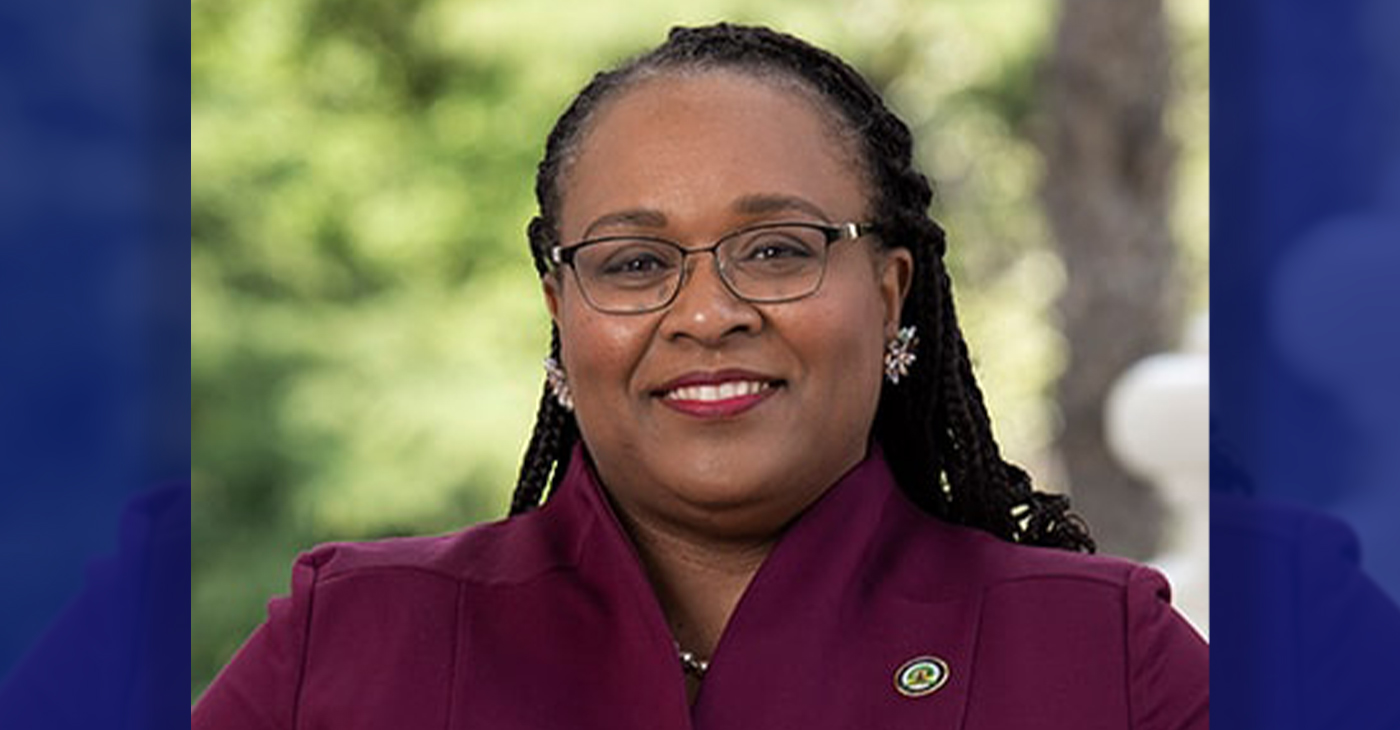
Assemblymember Lori D. Wilson (D-Suisun City) joined the California Legislature in 2022 after making history as Solano County’s first Black female mayor, bringing with her a track record of fiscal discipline, community investment, and inclusive leadership.
She represents the state’s 11th Assembly District, which spans Solano County and portions of Contra Costa and Sacramento Counties.
Her rise has also included several historic firsts: she is the only Black woman ever appointed to lead the influential Assembly Transportation Committee, and the first freshman legislator elected Chair of the California Legislative Black Caucus. She has also been a vocal advocate for vulnerable communities, becoming the first California legislator to publicly discuss being the parent of a transgender child — an act of visibility that has helped advanced representation at a time when political tensions related to social issues and culture have intensified.
California Black Media spoke with Wilson about her successes and disappointments this year and her outlook for 2026.
What stands out as your most important achievement this year?
Getting SB 237 passed in the Assembly. I had the opportunity to co-lead a diverse workgroup of colleagues, spanning a wide range of ideological perspectives on environmental issues.
How did your leadership contribute to improving the lives of Black Californians this year?
The Black Caucus concentrated on the Road to Repair package and prioritized passing a crucial bill that remained incomplete during my time as chair, which establishes a process for identifying descendants of enslaved people for benefit eligibility.
What frustrated you the most this year?
The lack of progress made on getting Prop 4 funds allocated to socially disadvantaged farmers. This delay has real consequences. These farmers have been waiting for essential support that was promised. Watching the process stall, despite the clear need and clear intent of the voters, has been deeply frustrating and reinforces how much work remains to make our systems more responsive and equitable.
What inspired you the most this year?
The resilience of Californians persists despite the unprecedented attacks from the federal government. Watching people stay engaged, hopeful, and determined reminded me why this work matters and why we must continue to protect the rights of every community in our state.
What is one lesson you learned this year that will inform your decision-making next year?
As a legislator, I have the authority to demand answers to my questions — and accept nothing less. That clarity has strengthened my approach to oversight and accountability.
In one word, what is the biggest challenge Black Californians are facing currently?
Affordability and access to quality educational opportunities.
What is the goal you want to achieve most in 2026?
Advance my legislative agenda despite a complex budget environment. The needs across our communities are real, and even in a tight fiscal year, I’m committed to moving forward policies that strengthen safety, expand opportunity, and improve quality of life for the people I represent.
Activism
2025 in Review: Seven Questions for Assemblymember Tina McKinnor, Champion of Reparations, Housing and Workers’ Rights
In 2025, McKinnor pushed forward legislation on renters’ protections, re-entry programs, reparations legislation, and efforts to support Inglewood Unified School District. She spoke with California Black Media about the past year and her work. Here are her responses.
By Joe W. Bowers Jr., California Black Media
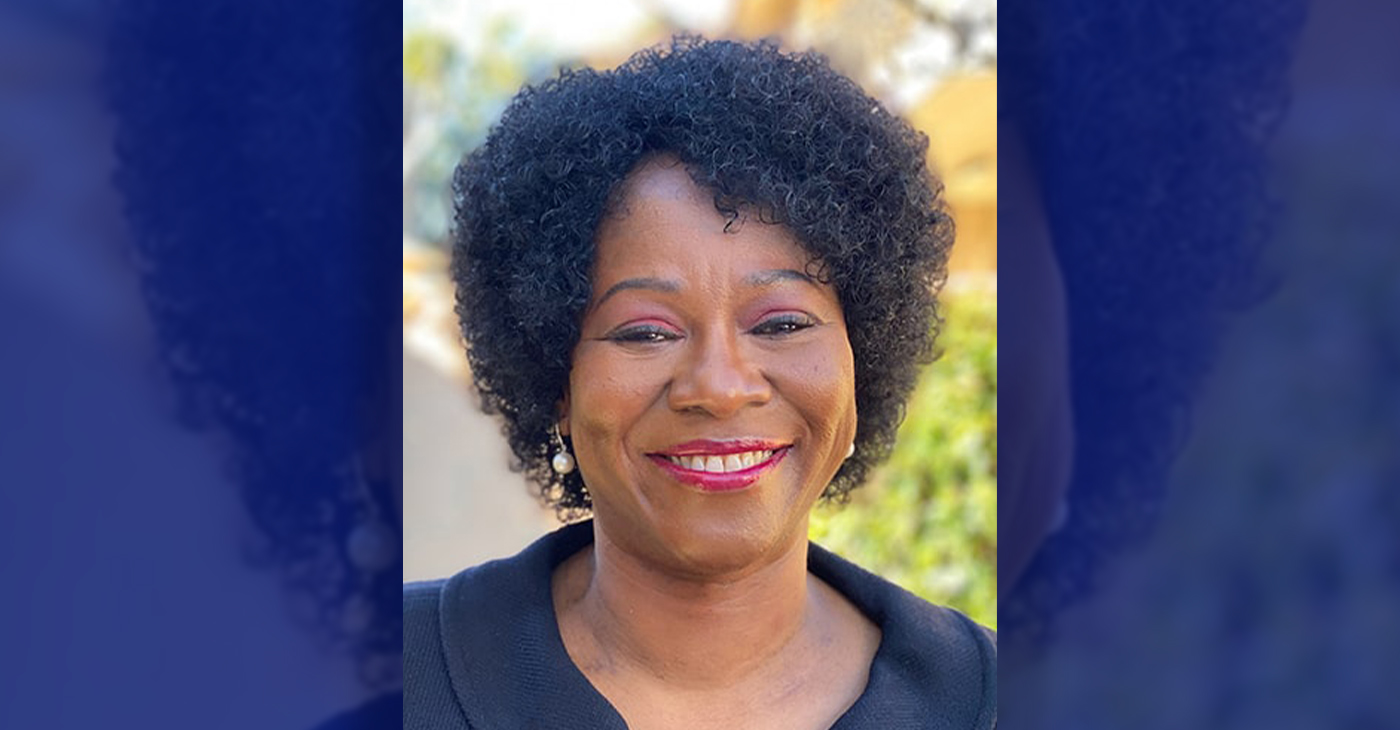
Assemblymember Tina McKinnor (D-Inglewood) represents
California’s 61st Assembly District.
As a member of the California Legislative Black Caucus (CLBC),
McKinnor was elected in 2022. She chairs the Los Angeles County Legislative Delegation and leads the Assembly Public Employment and Retirement Committee. McKinnor also served as a civic engagement director, managed political campaigns, and worked as chief of staff for former Assemblymembers Steven Bradford and Autumn Burke.
In 2025, McKinnor pushed forward legislation on renters’ protections, re-entry programs, reparations legislation, and efforts to support Inglewood Unified School District. She spoke with California Black Media about the past year and her work. Here are her responses.
Looking back on 2025, what do you see as your biggest win?
Assembly Bill (AB) 628. If rent is $3,000, people should at least have a stove and a refrigerator. It’s ridiculous that people were renting without basic appliances.
I’m also proud that I was able to secure $8.4 million in the state budget for people coming home from incarceration. That includes the Homecoming Project, the menopause program for incarcerated women, and the Justice Leaders Program.
How did your leadership help make life better for Black Californians this year?
After the Eaton Fire, I pushed to get the same kind of support for affected areas that wealthier regions get after disasters.
I also did a lot of work building political power— establishing the Black Legacy PAC and California for All of Us PAC so we could support Black candidates and educate voters. We also called voters to make sure they understood Prop 50.
People need to understand this: there are only 12 Black legislators in the Capitol. Folks act like we can just walk in and pass reparations, but that’s not how it works.
What frustrated you most this year?
The governor did not have the political will to sign these bills: AB 57 and AB 62. They both passed overwhelmingly in the Assembly and the Senate. We did the work. The only person who didn’t have the political will to sign them was the governor.
The public needs to ask the governor why he didn’t sign the bills. We can’t keep letting people off the hook. He has to answer.
I also introduced AB 51 — the bill to eliminate interest payments on Inglewood Unified School District’s long-standing state loan — held in the Appropriations Committee. That was frustrating,
What inspired you most in 2025?
The civil rights trip to Alabama was life changing. We visited the Legacy Museum and the National Memorial for Peace and Justice. We took members of the Black, Latino, Jewish, and API caucuses with us. It changed all of us.
People aren’t always against us — they just don’t know our history.
What’s one lesson from 2025 that will shape how you approach decisions next year?
The legislative trip to Norway taught me that collaboration matters. Government, labor, and industry sit down together there. They don’t make villains. Everybody doesn’t get everything they want, but they solve problems.
What’s the biggest challenge facing Black Californians in one word?
Inequity. It shows up in housing, wealth, stress – all these things.
What’s the number one goal you want to accomplish in 2026?
Bringing back AB 57 and AB 62, and securing money for the Inglewood Unified loan interest forgiveness.


WORK FROM HOME
Home-based business with potential monthly income of $10K+ per month. A proven training system and website provided to maximize business effectiveness. Perfect job to earn side and primary income. Contact Lynne for more details: Lynne4npusa@gmail.com 800-334-0540


OP-ED: AB 1349 Puts Corporate Power Over Community

Oakland Post: Week of December 31, 2025 – January 6, 2026

Big God Ministry Gives Away Toys in Marin City

First 5 Alameda County Distributes Over $8 Million in First Wave of Critical Relief Funds for Historically Underpaid Caregivers

2025 in Review: Seven Questions for Assemblymember Lori Wilson — Advocate for Equity, the Environment, and More

2025 in Review: Seven Questions for Assemblymember Tina McKinnor, Champion of Reparations, Housing and Workers’ Rights

2025 in Review: Seven Questions for Sen. Laura Richardson, Who Made Legislative History This Year

2025 in Review: Seven Questions for Sen. Lola Smallwood-Cuevas – an Advocate for Jobs and Justice

Alfred Cralle: Inventor of the Ice Cream Scoop

BOOK REVIEW: Let Me Be Real With You

Oakland Post: Week of December 24 – 30, 2025

Bling It On: Holiday Lights Brighten Dark Nights All Around the Bay

Oakland Council Expands Citywide Security Cameras Despite Major Opposition

Lu Lu’s House is Not Just Toying Around with the Community

Desmond Gumbs — Visionary Founder, Mentor, and Builder of Opportunity

Seth Curry Makes Impressive Debut with the Golden State Warriors

LIHEAP Funds Released After Weeks of Delay as States and the District Rush to Protect Households from the Cold

Seven Steps to Help Your Child Build Meaningful Connections

Post Salon to Discuss Proposal to Bring Costco to Oakland Community meeting to be held at City Hall, Thursday, Dec. 18

Seven Steps to Help Your Child Build Meaningful Connections

Mayor Lee, City Leaders Announce $334 Million Bond Sale for Affordable Housing, Roads, Park Renovations, Libraries and Senior Centers

FBI Report Warns of Fear, Paralysis, And Political Turmoil Under Director Kash Patel

Oakland Post: Week of December 10 – 16, 2025

Oakland School Board Grapples with Potential $100 Million Shortfall Next Year

Trinidad and Tobago – Prime Minister Confirms U.S. Marines Working on Tobago Radar System

Fayeth Gardens Holds 3rd Annual Kwanzaa Celebration at Hayward City Hall on Dec. 28

2025 in Review: Seven Questions for Black Women’s Think Tank Founder Kellie Todd Griffin

A Nation in Freefall While the Powerful Feast: Trump Calls Affordability a ‘Con Job’

COMMENTARY: If You Don’t Want Your ‘Black Card’ Revoked, Watch What You Bring to Holiday Dinners

Teens Reject Today’s News as Trump Intensifies His Assault on the Press

Hyundai Ioniq 5 Parking, Safety, and 360 View #shorts

2025 Ioniq 5 New Wiper & Powerful Performance! #shorts

Electric SUV Range: Is 259 Miles Enough? #shorts

EV Charging: How Fast Can You Charge an Electric Vehicle? #shorts

Biometric Cooling… Messaging Seats…Come on! 2025 Infiniti QX80 Autograph 4WD

Charged Up: Witness the Magic of a Fully Electric Car! #shorts

Range Rover Sport PHEV Included…: See What’s Inside This Luxury SUV! #shorts

Invisible Hood View: Perfect Parking with X-Ray Vision! #shorts

AI Is Reshaping Black Healthcare: Promise, Peril, and the Push for Improved Results in California

ESSAY: Technology and Medicine, a Primary Care Point of View

Sanctuary Cities

The RESISTANCE – FREEDOM NOW

STATE OF THE PEOPLE: Freddie

ECONOMIC BOYCOTT DAY!!!!!

I told You So
-
 Activism3 weeks ago
Desmond Gumbs — Visionary Founder, Mentor, and Builder of Opportunity
-

 Activism3 weeks ago
Families Across the U.S. Are Facing an ‘Affordability Crisis,’ Says United Way Bay Area
-
 Alameda County3 weeks ago
Oakland Council Expands Citywide Security Cameras Despite Major Opposition
-
 Alameda County3 weeks ago
Bling It On: Holiday Lights Brighten Dark Nights All Around the Bay
-
 Activism3 weeks ago
Black Arts Movement Business District Named New Cultural District in California
-
 Activism3 weeks ago
Lu Lu’s House is Not Just Toying Around with the Community
-
 Activism4 weeks ago
Oakland Post: Week of December 17 – 23, 2025
-
 Activism2 weeks ago
First 5 Alameda County Distributes Over $8 Million in First Wave of Critical Relief Funds for Historically Underpaid Caregivers
