
Business
TJ Maxx, Marshalls to Follow Wal-Mart in Raising Pay


In this Nov. 17, 2009 file photo, a customer walks past a T.J. Maxx store in Boston. TJX Cos., the owner of T.J. Maxx, Marshalls and Home Goods stores, on Wednesday, Feb. 25, 2015 said it will boost pay for U.S. workers to at least $9 per hour. (AP Photo/Lisa Poole, File)
JOSEPH PISANI, AP Business Writers
ANNE D’INNOCENZIO, AP Business Writers
NEW YORK (AP) — The owner of T.J. Maxx, Marshalls and HomeGoods stores became the latest retailer to boost pay for its U.S. workers, putting pressure on other chains to do the same.
TJX Cos. said Wednesday that it will increase pay for its U.S. workers to at least $9 an hour starting in June. The announcement came a week after Wal-Mart Stores Inc. said it would increase starting wages for its U.S. employees to at least $9 per hour by April and by at least $10 by Feb. 2016. Home furnishings retailer IKEA and Gap clothing chain also have raised pay recently.
John Challenger, CEO of global outplacement firm Challenger, Gray & Christmas Inc., said the moves could create a domino effect in which other companies follow suit in order to compete for top talent.
“Other retailers may have no other choice but to follow,” he said. “The pool of available labor is starting to shrink and it will take more than a store discount to attract the best of available candidates.”
The moves by the major retailers to raise wages come at a pivotal time when the plight of hourly workers has made national headlines.
Protests by fast food workers asking for higher pay have increased. Labor-backed groups have taken aim at Wal-Mart, the nation’s largest private employer with 1.3 million workers, to start entry wages at $15 per hour. And President Obama is endorsing a bill in Congress that includes a proposed increase in the federal minimum wage from $7.25 to $10.10 an hour, while several states are considering raising their minimum wages.
At the same time, there’s much national debate about what is a “living wage,” or enough money for a worker to make in order to make ends meet. Most retail workers already make more than the federal minimum wage but not much more. In fact, more than half of retail workers make $10 or less, according to David Cooper of The Economic Policy Institute.
According to the most recent government data, the average that hourly retail workers in a non-supervisory role earn is $14.65, but that includes people who work at auto dealers and other outlets that pay more than traditional retailers. The average hourly pay is $9.93 for cashiers and low-level retail sales staff, according to Hay Group’s survey of 140 retailers with annual sales of $500 million.
Whatever the major players in the U.S. retail industry decide to do will have a big impact on the job market as a whole. In fact, the industry supports one in every four U.S. jobs, representing about 42 million workers.
Still, the industry has mostly shunned the idea of higher wages. The National Retail Federation, which represents some of the nation’s largest retailers, is fighting President Obama’s proposal, saying the financial burden could force them to raise prices or reduce workforce.
Target Corp. executives weighed in on the issue Wednesday during the company’s earnings conference call, saying that it is always assessing the marketplace to determine competitive wages. But they said the recent announcements from Wal-Mart and others haven’t changed their views on wages. Executives declined to comment on Target’s average hourly wage rate, but they did say all of Target’s workers make more than the federal minimum wage. A Credit Suisse report estimates Target pays $9.06 per hour, based on a sample size of 985 workers.
“Our goal is to make sure we have the very best team in retail,” Target’s CEO Brian Cornell told investors Wednesday. “And we’re going to continue to invest in their development and make sure … we’re very competitive with the wages we provide.”
TJX spokeswoman Doreen Thompson declined to say what its workers currently earn, but a recent Credit Suisse report estimates TJX’s current hourly pay at about $8.24, based on a sampling of 116 workers.
In addition to higher starting wages, TJX, which has 191,000 workers globally that restock shelves, greet customers and ring up purchases, said that in 2016, the company plans to pay all workers who have worked at its stores for more than six months at least $10 per hour.
Copyright 2015 The Associated Press. All rights reserved. This material may not be published, broadcast, rewritten or redistributed.





Activism
OP-ED: AB 1349 Puts Corporate Power Over Community
Since Ticketmaster and Live Nation merged in 2010, ticket prices have jumped more than 150 percent. Activities that once fit a family’s budget now take significant disposable income that most working families simply don’t have. The problem is compounded by a system that has tilted access toward the wealthy and white-collar workers. If you have a fancy credit card, you get “presale access,” and if you work in an office instead of a warehouse, you might be able to wait in an online queue to buy a ticket. Access now means privilege.
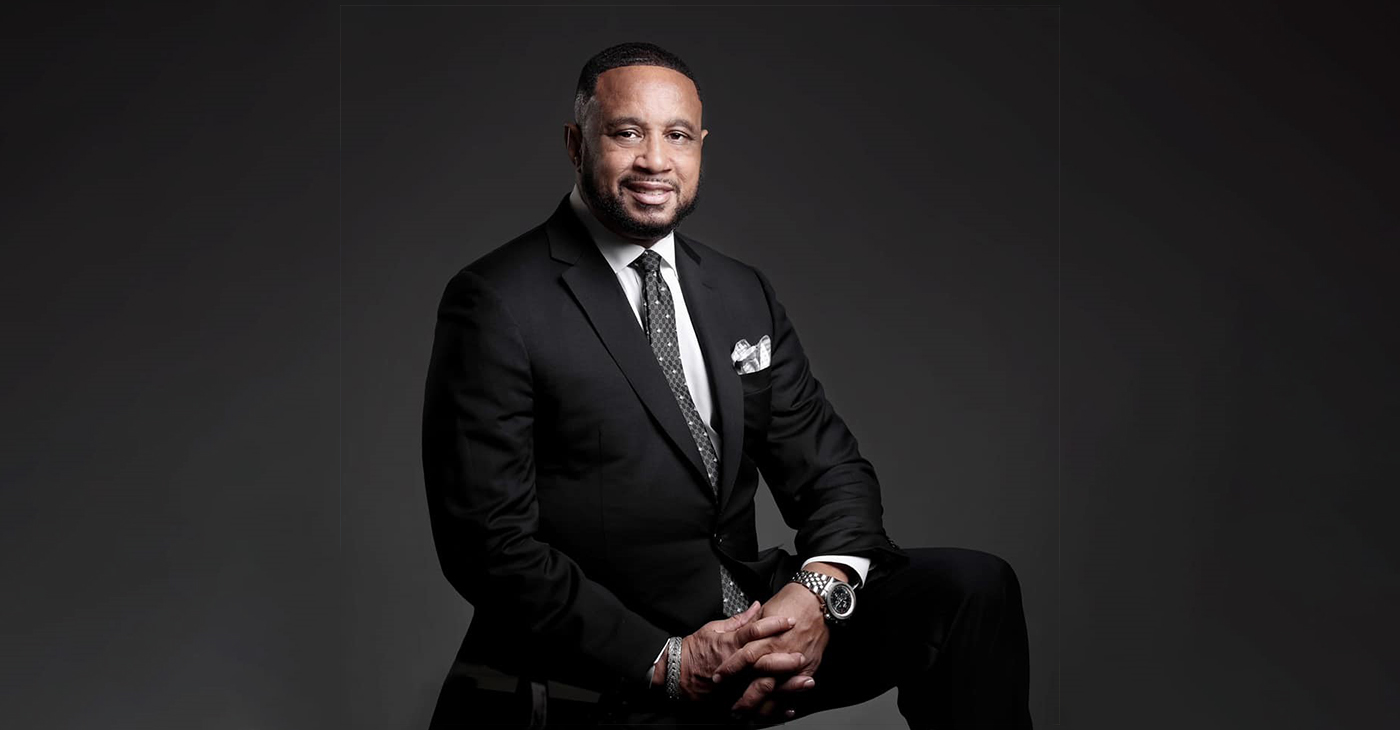
By Bishop Joseph Simmons, Senior Pastor, Greater St. Paul Baptist Church, Oakland
As a pastor, I believe in the power that a sense of community can have on improving people’s lives. Live events are one of the few places where people from different backgrounds and ages can share the same space and experience – where construction workers sit next to lawyers at a concert, and teenagers enjoy a basketball game with their grandparents. Yet, over the past decade, I’ve witnessed these experiences – the concerts, games, and cultural events where we gather – become increasingly unaffordable, and it is a shame.
These moments of connection matter as they form part of the fabric that holds communities together. But that fabric is fraying because of Ticketmaster/Live Nation’s unchecked control over access to live events. Unfortunately, AB 1349 would only further entrench their corporate power over our spaces.
Since Ticketmaster and Live Nation merged in 2010, ticket prices have jumped more than 150 percent. Activities that once fit a family’s budget now take significant disposable income that most working families simply don’t have. The problem is compounded by a system that has tilted access toward the wealthy and white-collar workers. If you have a fancy credit card, you get “presale access,” and if you work in an office instead of a warehouse, you might be able to wait in an online queue to buy a ticket. Access now means privilege.
Power over live events is concentrated in a single corporate entity, and this regime operates without transparency or accountability – much like a dictator. Ticketmaster controls 80 percent of first-sale tickets and nearly a third of resale tickets, but they still want more. More power, more control for Ticketmaster means higher prices and less access for consumers. It’s the agenda they are pushing nationally, with the help of former Trump political operatives, who are quietly trying to undo the antitrust lawsuit launched against Ticketmaster/Live Nation under President Biden’s DOJ.
That’s why I’m deeply concerned about AB 1349 in its current form. Rather than reining in Ticketmaster’s power, the bill risks strengthening it, aligning with Trump. AB 1349 gives Ticketmaster the ability to control a consumer’s ticket forever by granting Ticketmaster’s regime new powers in state law to prevent consumers from reselling or giving away their tickets. It also creates new pathways for Ticketmaster to discriminate and retaliate against consumers who choose to shop around for the best service and fees on resale platforms that aren’t yet controlled by Ticketmaster. These provisions are anti-consumer and anti-democratic.
California has an opportunity to stand with consumers, to demand transparency, and to restore genuine competition in this industry. But that requires legislation developed with input from the community and faith leaders, not proposals backed by the very company causing the harm.
Will our laws reflect fairness, inclusion, and accountability? Or will we let corporate interests tighten their grip on spaces that should belong to everyone? I, for one, support the former and encourage the California Legislature to reject AB 1349 outright or amend it to remove any provisions that expand Ticketmaster’s control. I also urge community members to contact their representatives and advocate for accessible, inclusive live events for all Californians. Let’s work together to ensure these gathering spaces remain open and welcoming to everyone, regardless of income or background.
Activism
Oakland Post: Week of December 31, 2025 – January 6, 2026
The printed Weekly Edition of the Oakland Post: Week of – December 31, 2025 – January 6, 2026

To enlarge your view of this issue, use the slider, magnifying glass icon or full page icon in the lower right corner of the browser window.
Activism
Big God Ministry Gives Away Toys in Marin City
Pastor Hall also gave a message of encouragement to the crowd, thanking Jesus for the “best year of their lives.” He asked each of the children what they wanted to be when they grow up.

By Godfrey Lee
Big God Ministries, pastored by David Hall, gave toys to the children in Marin City on Monday, Dec. 15, on the lawn near the corner of Drake Avenue and Donahue Street.
Pastor Hall also gave a message of encouragement to the crowd, thanking Jesus for the “best year of their lives.” He asked each of the children what they wanted to be when they grew up.
Around 75 parents and children were there to receive the presents, which consisted mainly of Gideon Bibles, Cat in the Hat pillows, Barbie dolls, Tonka trucks, and Lego building sets.
A half dozen volunteers from the Big God Ministry, including Donnie Roary, helped to set up the tables for the toy giveaway. The worship music was sung by Ruby Friedman, Keri Carpenter, and Jake Monaghan, who also played the accordion.
Big God Ministries meets on Sundays at 10 a.m. at the Mill Valley Community Center, 180 Camino Alto, Mill Valley, CA Their phone number is (415) 797-2567.


WORK FROM HOME
Home-based business with potential monthly income of $10K+ per month. A proven training system and website provided to maximize business effectiveness. Perfect job to earn side and primary income. Contact Lynne for more details: Lynne4npusa@gmail.com 800-334-0540


OP-ED: AB 1349 Puts Corporate Power Over Community

Oakland Post: Week of December 31, 2025 – January 6, 2026

Big God Ministry Gives Away Toys in Marin City

First 5 Alameda County Distributes Over $8 Million in First Wave of Critical Relief Funds for Historically Underpaid Caregivers

2025 in Review: Seven Questions for Assemblymember Lori Wilson — Advocate for Equity, the Environment, and More

2025 in Review: Seven Questions for Assemblymember Tina McKinnor, Champion of Reparations, Housing and Workers’ Rights

2025 in Review: Seven Questions for Sen. Laura Richardson, Who Made Legislative History This Year

2025 in Review: Seven Questions for Sen. Lola Smallwood-Cuevas – an Advocate for Jobs and Justice

Alfred Cralle: Inventor of the Ice Cream Scoop

BOOK REVIEW: Let Me Be Real With You

Oakland Post: Week of December 24 – 30, 2025

Bling It On: Holiday Lights Brighten Dark Nights All Around the Bay

Oakland Council Expands Citywide Security Cameras Despite Major Opposition

Lu Lu’s House is Not Just Toying Around with the Community

Desmond Gumbs — Visionary Founder, Mentor, and Builder of Opportunity

Seth Curry Makes Impressive Debut with the Golden State Warriors

Post Salon to Discuss Proposal to Bring Costco to Oakland Community meeting to be held at City Hall, Thursday, Dec. 18

Mayor Lee, City Leaders Announce $334 Million Bond Sale for Affordable Housing, Roads, Park Renovations, Libraries and Senior Centers

FBI Report Warns of Fear, Paralysis, And Political Turmoil Under Director Kash Patel

Oakland Post: Week of December 10 – 16, 2025

Oakland School Board Grapples with Potential $100 Million Shortfall Next Year

A Nation in Freefall While the Powerful Feast: Trump Calls Affordability a ‘Con Job’

2025 in Review: Seven Questions for Black Women’s Think Tank Founder Kellie Todd Griffin

Fayeth Gardens Holds 3rd Annual Kwanzaa Celebration at Hayward City Hall on Dec. 28

COMMENTARY: If You Don’t Want Your ‘Black Card’ Revoked, Watch What You Bring to Holiday Dinners

Ann Lowe: The Quiet Genius of American Couture

The Numbers Behind the Myth of the Hundred Million Dollar Contract
Desmond Gumbs — Visionary Founder, Mentor, and Builder of Opportunity

Support Your Child’s Mental Health: Medi-Cal Covers Therapy, Medication, and More

BRIDGE Housing President and CEO Ken Lombard Scores Top Honors for Affordable Housing Leadership

Hyundai Ioniq 5 Parking, Safety, and 360 View #shorts

2025 Ioniq 5 New Wiper & Powerful Performance! #shorts

Electric SUV Range: Is 259 Miles Enough? #shorts

EV Charging: How Fast Can You Charge an Electric Vehicle? #shorts

Biometric Cooling… Messaging Seats…Come on! 2025 Infiniti QX80 Autograph 4WD

Charged Up: Witness the Magic of a Fully Electric Car! #shorts

Range Rover Sport PHEV Included…: See What’s Inside This Luxury SUV! #shorts

Invisible Hood View: Perfect Parking with X-Ray Vision! #shorts

AI Is Reshaping Black Healthcare: Promise, Peril, and the Push for Improved Results in California

ESSAY: Technology and Medicine, a Primary Care Point of View

Sanctuary Cities

The RESISTANCE – FREEDOM NOW

STATE OF THE PEOPLE: Freddie

ECONOMIC BOYCOTT DAY!!!!!

I told You So
-
 Activism4 weeks ago
Desmond Gumbs — Visionary Founder, Mentor, and Builder of Opportunity
-

 Activism4 weeks ago
Families Across the U.S. Are Facing an ‘Affordability Crisis,’ Says United Way Bay Area
-
 Alameda County4 weeks ago
Oakland Council Expands Citywide Security Cameras Despite Major Opposition
-
 Alameda County4 weeks ago
Bling It On: Holiday Lights Brighten Dark Nights All Around the Bay
-

 Activism4 weeks ago
Black Arts Movement Business District Named New Cultural District in California
-
 Activism4 weeks ago
Lu Lu’s House is Not Just Toying Around with the Community
-
 Activism4 weeks ago
Oakland Post: Week of December 17 – 23, 2025
-
 Black History2 weeks ago
Alfred Cralle: Inventor of the Ice Cream Scoop
