
#NNPA BlackPress
Black Troops Fought Bravely at Normandy 75 Years Ago
NNPA NEWSWIRE — Throughout WWII and especially D-Day in 1944, the Black Press dispatched reporters such as the New Journal and Guide’s John Q. ‘Rover’ Jordan, P.B. Young, Jr., Thomas Young, Lem Graves and the ANP’s Joseph Dunbar to the European and South Pacific War Zones to cover the exploits of the Black soldiers.

By Leonard E. Colvin, Chief Reporter, New Journal and Guide
The United States, Great Britain, France and other allies recently observed the 75th anniversary of the D-Day landing on five beaches along Southern France at Normandy on their way to defeat Nazi Germany.
The modern images of the allied leaders, including the U.S. President and other participants, captured by the media at the Normandy Beach event appeared mostly white.
Seventy-five years ago, the mainstream news media and various movies such as “The Longest Day” and others also captured the images of white soldiers valiantly fighting on the sandy beaches against withering gunand cannon fire from the Germans.
But thanks to the written words and imagesrecorded by members of the Black Press who were eye witnesses to the action in Southern France to Berlin, the contributions and valor of Black military men and women were recorded, too.
Along with a quarter million Black servicemen, Black newsmen from the Norfolk Journal and Guide, the National Newspaper Publisher’s Association (NNPA)and the Associated Negro Press (ANP) were on hand to recordthis history left out of the mainstream press then and recently.
Throughout WWII and especially D-Day in 1944, the Black Press dispatched reporters such as the New Journal and Guide’s John Q. ‘Rover’ Jordan and P.B.Young, Jr.,Thomas Young, Lem Graves and the ANP’s Joseph Dunbar tothe European and South Pacific War Zones to cover the exploits of the Black soldiers.

In many of the stories printed on the pages of the GUIDE, one could detect the toneof the accounts indicating that the reporters wanted to make clear that “Negro” soldierswere making significant contributions.
They worked on the ground and the air in combat, in support roles like driving trucks, operating machinery,medical support units, military police, tactical and leading administrative work.
The tone countered the daily newspapers which catered to its white readership, ignoring any significant contributions of the Black Warriors.
“If it were not for those GUIDE and other Black reporters, the story of Black men and women on D-Day or in other areas related to World War II would have beenignored,” said Dr. Henry Lewis Suggs, Professor Emeritus of American History, Clemson University, who is retired now.
Dr. Suggs wrote the biography “P.B. Young, Sr., Newspaper Man.” Young, who founded the GUIDE newspaper after serving as the editor of its predecessor, the Lodge Journal newsletter dating to 1900, was a leading Black media,political and civic leader in Virginia and nationally from the early 1930s until he died in 1962.
Weekly, during the war, the GUIDE published local,state, national, Virginia and Peninsula editions of the newspaper. Each edition included news about the war and the rolesthat Black soldiers, sailors, Coast Guard and civilians played at home and abroad.
The articles not only pointed out the bravery and professionalism of the Black troops, they also noted the heavy number of casualties Blacks suffered in combat.
The stories which were distributed to other Black newspapers also recorded acts of racial bias against the Black patriots.
There were stories of the many cases where Black and white troops worked “shoulder to shoulder” withno tension away from the field of battle and during it.
“In Norfolk, the only source of news Black civilians got about Black soldiers and sailors overseas or at home was from the Black Press,” said Suggs.
Suggs said the contributions of the Black warriors during WWII helped fuel African American efforts after the war to pursue socio-economic and political equality.
Further, the thousands of Blacks who fought in the war, used the G.I. Bill to secure an education and other support to attend Black colleges which helped them grow.
Suggs said that African Americans had their great generation of Black men who participated in the war. They later became the Black lawyers, doctors and educators and other professional and political class whofostered the Black middle class.
“Negro troops did their duty excellently under fire on Normandy’s beaches in a zone of heavy combat,” General Dwight D. Eisenhower, Supreme Commander of the Allied Invasion Forces, declared.
That statement was a greeting sent by the General, fondly known as “Ike” by the Black troops, to the NAACP’sWartime Conference meeting In Chicago held that year. It appeared in the July 15, 1944 edition of the GUIDE under the headline “Eisenhower Proud of Our Troops in France,” verifying history.
It also noted Black leadership’s citing the resistance and their insistance for sending Black Women Army Corps (WACs) to the front.

“Negro” troops in Southern France. Photo by John Q. Jordan/NJG Archives
John Q. Jordan, War Correspondent
John Q. Jordan, who lived in Portsmouth, worked for the GUIDE as a correspondent before, during and after the crucial landing at Normandy and observed firsthand the activities of Black soldiers.
He also served as a pool reporter, recording and dispatching back bits and pieces of information for white and Black reporters toiling for news outlets sitting onboard ships or on land in England, the main staging areas for the massive invasion force.
During the first hours of operations on the Omaha Beach, Jordan was one of the first journalists to view the action.
He was positioned to peer down at 800-plus of ships sitting or moving in the waters below and the troops scrambling to the beaches.
In an article in the August 19, 1944 edition of the GUIDE, under the headline “Germans Only Attack Negro Group Invasion Day; Rhodes Gets One,” he described those hours of operation.
Jordan wrote,“Many Negro troop units land on Beaches; Fliers handling the role in softening up second Invasion coast.”
He described how on D-Day (June 6) weeks after, “Theonly fighter opposition (the Germans) encountered by the formations which flew protective cover for the Armada of heavies (bombers)and medium bombers who blasted a path for the invasion…on the coast of southern France was met by fighter pilots of the Mustang Group under (the command of) Col. Benjamin O. Davis Jr.,” an African American.
Better known as the Tuskegee Airmen, the article described how 2nd Lt.George M. Rhodes of Brooklyn, New York shot down a German plane —the first.
The Black men who manned and operated the huge machines hailed from all over the country, including Little Rock, Arkansas, parts of Texas, and Philly.
“They have been in operations over the whole length of the beach since D-day. These units were formed in Camp Gordon Johnson, Fla. and the first colored company of its type.”
These amphibious ships were used to transport troops and supplies back and forth from the beaches,including taking wounded Black and white men to the awaiting hospital ships.










#NNPA BlackPress
2026 Lucid Air Grand Touring Review — Is This $136K EV Sedan Worth It?
AUTONETWORK ON BLACKPRESSUSA — Finished in Stellar White Metallic with the Tahoe Grand Touring interior, this Lucid makes a strong first impression. The shape is sleek and low, but it still feels elegant instead of trying too hard. Features like soft-close doors, powered illuminated door handles, 20-inch Aero Lite wheels, and the Glass Canopy Roof help the car feel expensive before you even start it.

The 2026 Lucid Air Grand Touring is the kind of luxury EV that makes people stop and ask a simple question: Is this really better than a Tesla Model S, Mercedes EQS, or BMW i7? At $136,150, it has to do more than look futuristic. It has to feel special every time you get in it.
Finished in Stellar White Metallic with the Tahoe Grand Touring interior, this Lucid makes a strong first impression. The shape is sleek and low, yet it still feels elegant rather than trying too hard. Features like soft-close doors, powered illuminated door handles, 20-inch Aero Lite wheels, and the Glass Canopy Roof help the car feel expensive before you even start it.
Inside is where the Air Grand Touring really makes its case. The 34-inch Glass Cockpit Display and retractable Pilot Panel screen give the cabin a clean, modern look that still feels different from other EVs. The Tahoe Extended Leather and Lucid Black Alcantara headliner lifts the sense of occasion, and the front seats are a highlight. They are 20-way power-adjustable, heated, ventilated, and include massage. That matters because luxury buyers at this price expect comfort first.
Rear passengers are not ignored either. You get 5-zone heated rear seating, a rear center console display, and power rear and rear side window sunshades. Add in the Surreal Sound Pro system with 21 speakers, and the Air feels like a true long-distance luxury sedan.
Lucid also gives this car serious EV hardware. The dual-motor all-wheel-drive system, 900V+ charging architecture, and Wunderbox onboard charger are big talking points. Buyers in this segment care about range, charging speed, and everyday ease, not just raw performance. That is where the Lucid continues to stand out.
On the technology side, the Air Grand Touring includes DreamDrive Premium, with 3D Surround View Monitoring, Blind Spot Warning, Automatic Park In and Out, Automatic Emergency Braking, and a Driver Monitoring System with distracted and drowsy driver alerts. This one also has DreamDrive Pro, which adds future-capable ADAS hardware.
There are still some real-world annoyances. Based on your notes, the windshield wiper control is hard to find and use, and that matters more than people think in a high-tech car. When controls become less intuitive, even a beautiful interior can feel frustrating.
Still, the 2026 Lucid Air Grand Touring succeeds where it matters most. It feels luxurious, advanced, comfortable, and thoughtfully engineered. For buyers who want an EV sedan that feels truly premium and less common than the usual choices, this Lucid makes a very strong case.
AutoNetwork helps serious car shoppers inspect any new vehicle online before walking into a dealership. I’m Roosevelt — I’ve been reviewing cars and shaping digital car buying and credit union auto leasing since before YouTube car reviews existed.
You’ll find detailed walkaround reviews, POV test drives, and buyer-focused breakdowns covering comfort, space, features, and real-world value.
How to use the channel:
Watch the walkaround of the car you’re considering
Visit AutoNetwork.com for the full review
Check CouponsOffersAndDeals.com for current dealer specials
Walk in already knowing what you want — and what it should cost
Live talk show “AutoNetwork Reports” — Thursdays 3:00 PM ET.
 AutoNetwork.com
 CouponsOffersAndDeals.com
Affiliate disclosure: some links earn a small commission at no cost to you and help support the channel. Insta360 is one of those partners.
#NNPA BlackPress
Snoop Dogg Celebrates 10 Til’ Midnight at the Compound
LOS ANGELES SENTINEL — The album is paired with a film that stars Snoop Dogg, Hitta J3, G Perico, and Ray Vaughn, and one of the strongest elements of the whole project is that the production stayed rooted right here in Los Angeles.

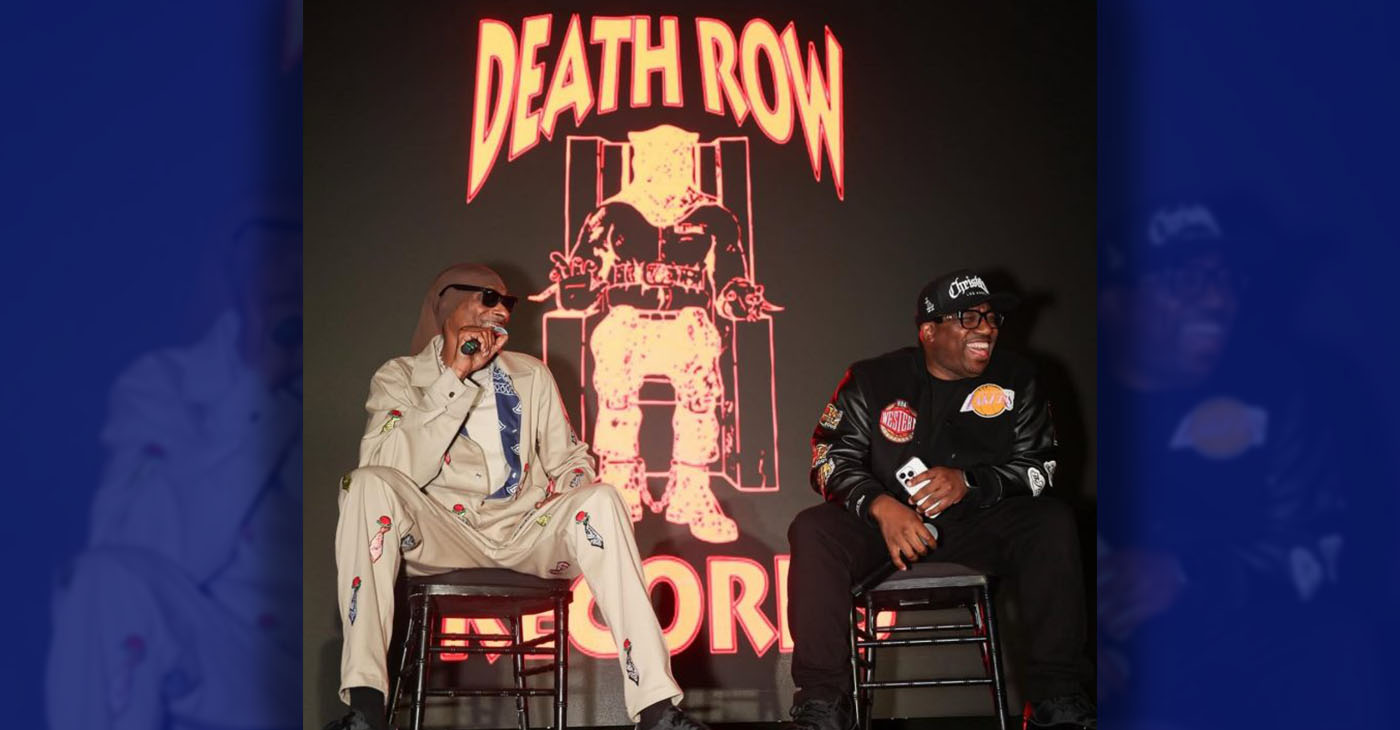
Snoop Dogg celebrated the premiere of 10 Til’ Midnight at his Inglewood recording studio & multipurpose facility, The Compound, but the night felt like much more than an album release. It felt like Los Angeles. It felt like legacy. And it felt like another major move from one of the city’s greatest cultural architects as he continues to prove that he is not just dropping music — he is building moments, shaping narratives, and pushing the culture forward in real time.
What made the event so powerful was the clarity behind the vision. During a panel conversation with DJ Hed, Snoop opened up about the heart behind 10 Til’ Midnight, explaining that the project was created to help bridge older and younger generations while also speaking to the long-standing divisions between Bloods and Crips in a unique way through film. That alone gave the project a different kind of weight. This was not just about songs. This was about using creativity as a tool for connection. This was about taking a story rooted in Los Angeles and telling it in a way that could bring people together.

Snoop Congratulated By Rapper & Fellow 10 Til Midnight Cast Member G Perico (CreativeLB/KreativeKapturez)
The album is paired with a film that stars Snoop Dogg, Hitta J3, G Perico, and Ray Vaughn, and one of the strongest elements of the whole project is that the production stayed rooted right here in Los Angeles. The film was shot in the city, including at WePlay Studios in Inglewood, which gave the entire project an even deeper hometown feel. It was not just a West Coast story in content — it was a Los Angeles-made production from the ground up.
That matters because, in a city like this, authenticity still carries weight. Snoop understands how to make sure that what he creates does not just represent Los Angeles on the surface, but actually comes from it.
What also makes 10 Til’ Midnight significant is that it represents another major step in Snoop’s evolution as both an artist and executive. Public reporting around the project identifies it as his 22nd studio album, but the bigger story is what it represents in this season of his life. This is one of several consecutive moves he has made in his 50s that show he is still building, still expanding, and still finding new ways to reinvent what the next chapter looks like.
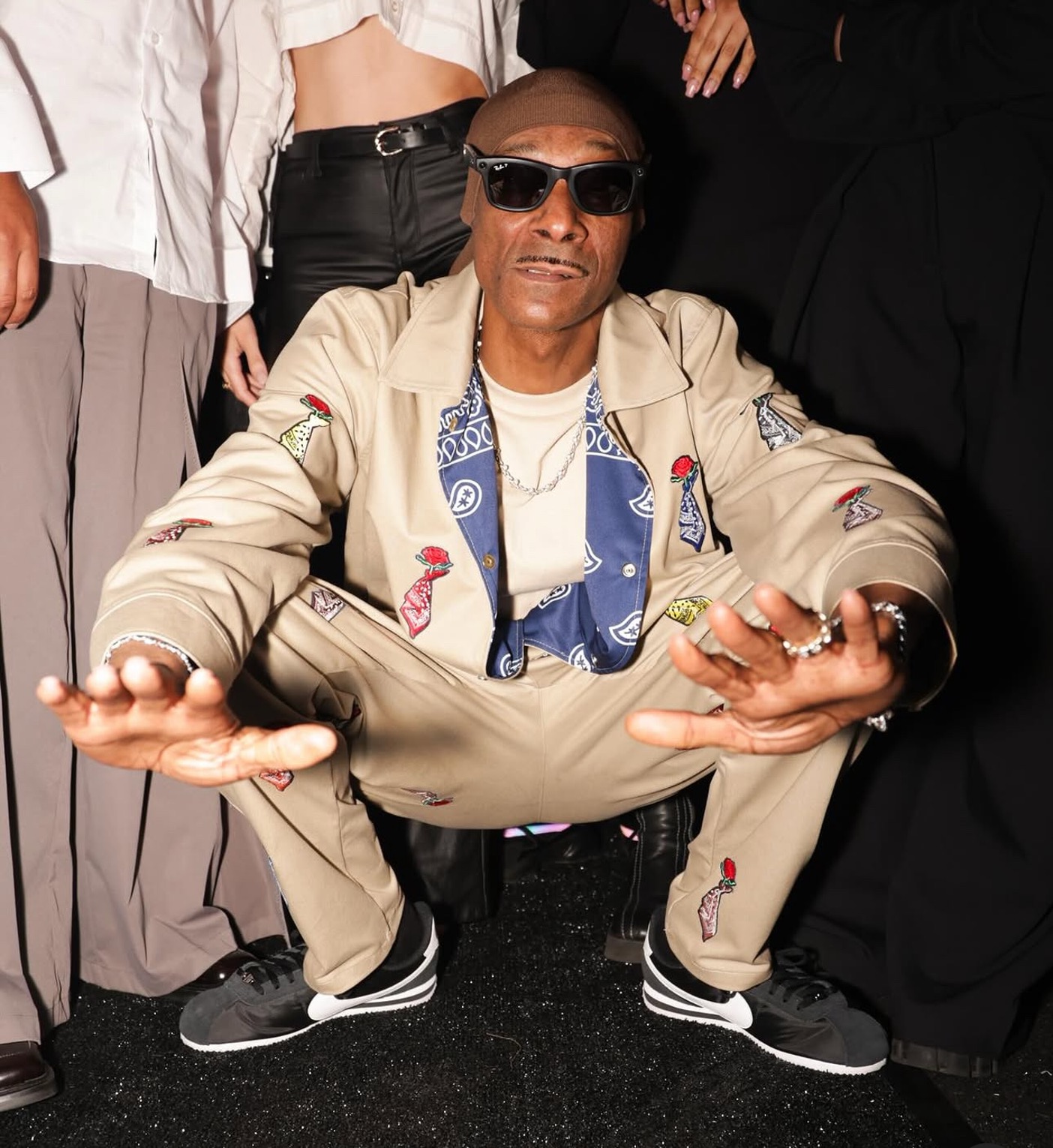
Snoop Dogg at the Premiere of 10 Til Midnight (CreativeLB/KreativeKapturez)
Now, as the head of Death Row Records and the newly aligned leader of Death Row Pictures, he is taking the brand into a new dimension. That is what made this moment feel bigger than music. Snoop is not just protecting the legacy of Death Row — he is stretching it. He is expanding it beyond records and into film, visual storytelling, and larger creative worlds that can continue carrying the label’s impact forward. Public reporting has noted that this project arrives as part of that broader cinematic push.
That is a major Los Angeles move because the city has always been built on the intersection of music, film, neighborhood identity, and cultural storytelling. With 10 Til’ Midnight, Snoop is leaning all the way into that intersection.
The room at The Compound reflected that. It felt like a private premiere, but it also felt like a statement — a reminder that Snoop Dogg’s staying power has never been based only on nostalgia. It comes from his ability to remain connected, remain visionary, and remain in tune with how to move the culture without losing the essence of who he is.
That is why this premiere mattered. It was not just about celebrating another album. It was about witnessing a Los Angeles legend continue to evolve, continue to unify, and continue to use art to tell stories that hit deeper than entertainment alone.
In that sense, 10 Til’ Midnight became more than a project launch. It became another example of how Snoop Dogg is still taking Los Angeles to the next level — using music, film, and legacy together to build something bigger than a moment.

#NNPA BlackPress
OP-ED: Small Businesses Need Minnesota to Act on Pass-Through Tax Policy
MINNESOTA SPOKESMAN RECORDER — A Twin Cities immigrant entrepreneur who built several businesses including grocery stores in underserved neighborhoods is calling on Minnesota lawmakers to extend the Pass-Through Entity tax option before it expires, warning that its loss would hit small businesses already recovering from Operation Metro Surge with higher federal tax bills.
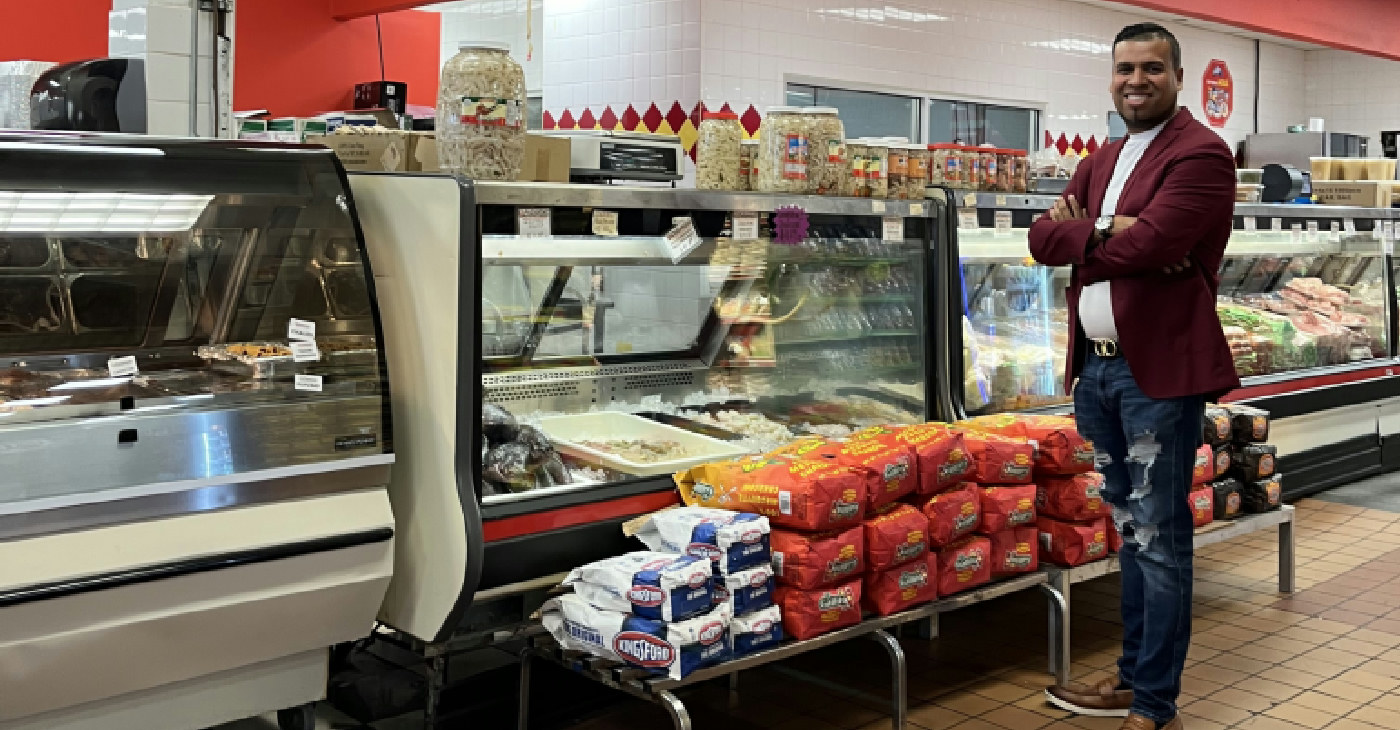
A Twin Cities Small Business Owner Is Urging Minnesota to Extend a Tax Policy That Could Save Thousands of Businesses
By Daniel Hernandez | Minnesota Spokesman Recorder
I came to the United States as a teenager with a clear goal: to build something meaningful through hard work. I put in long days in construction, restaurants, and landscaping; doing whatever it took to learn, save, and eventually start my own business.
Over time, I built and ran several successful ventures, including an event photography company, a magazine, a tax and accounting firm, and now grocery stores serving neighborhoods across the Twin Cities where other retailers chose not to invest. I’ve created jobs, supported families, and committed to communities that deserve stability and opportunity.
That’s why I’m speaking out now.
Small business owners in Minneapolis and the communities we serve are recovering from serious disruptions, including the impacts of Operation Metro Surge. That event hit immigrant communities especially hard. In my own case, I lost nearly half of my 60 employees and saw revenue drop by about 85%. While I worked to provide competitive wages, health benefits, and paid time off, the real hardship fell on the people who lost their jobs and income.
Even as we rebuild, small businesses are facing another challenge. The Minnesota Legislature is considering letting an important tax policy expire: the Pass-Through Entity tax option.
Here’s what that means in plain terms.
Many small businesses, including mine, are pass-through businesses. That means the business itself doesn’t pay income tax. Instead, the owners report the income on their personal tax returns. But under current federal rules, there’s a limit on how much state tax we can deduct. That often leads to higher federal tax bills.
The Pass-Through Entity option fixes that. It allows the business to pay the state tax directly, which means the business can fully deduct those taxes on its federal return and lower the total amount of income taxed federally. The result is straightforward: small business owners pay less in federal taxes, without reducing what the state collects.
This policy is not new or controversial. Thirty-six states already offer it. It doesn’t cost Minnesota anything, it’s revenue neutral. And it benefits more than 66,000 businesses across the state.
In a state where the cost of doing business is already high, it’s hard to understand why we wouldn’t offer the same basic tax treatment as states like California and Illinois.
Small businesses have carried a heavy load in recent years, through a pandemic, rising costs and public safety disruptions. We’ve adapted, reinvested and stayed committed to our communities. What we need now are practical policies that support that work, not make it harder.
If the Minnesota House does not act soon, many businesses will face significantly higher federal tax bills. That’s money that could otherwise be used to hire workers, raise wages or reinvest in local neighborhoods.
I urge Gov. Tim Walz and members of the House Tax Committee to pass House File 3127 and extend the Pass-Through Entity election.
Small businesses are the backbone of our communities. We’ve proven our resilience. Now we need our state leaders to show the same commitment to us.
Daniel Hernandez is the owner of Colonial Market located at 2100 E. Lake St.
Excerpt:
Photo Captions:
Website Tags and SEO Keywords:
Twitter (X) Tags and Handles:

WORK FROM HOME
Home-based business with potential monthly income of $10K+ per month. A proven training system and website provided to maximize business effectiveness. Perfect job to earn side and primary income. Contact Lynne for more details: Lynne4npusa@gmail.com 800-334-0540


Oakland Mayor Pushes Charter Overhaul to Clarify Roles in City Government, Increase Accountability and Improve Service Delivery

The Ladies of Delta Sigma Theta Hold Day of Advocacy at the Capitol in Sacramento

Rep. Kamlager-Dove Introduces Bill to Protect Women in Custody After Reports Detailing Miscarriages and Neglect

Q&A with Steven Bradford: Why He Wants Your Vote for California Insurance Commissioner

OPINION: The Fire of Oakland’s Justin Jones

How Is AI Affecting California? The State Wants You to Share Your Story

California Launches Free Diaper Program for Newborns Statewide

Book Review: Books for College-Bound Students

Asm. Jackson Bill Requiring Anti-Hate Speech Training for Calif. Public Officials Sent to “Suspense File”

More and More, Black Californians Are Worried About Rising Costs of Housing, Energy, Food and Gas

Advocates Rally at State Capitol to Demand Heat Protections for Incarcerated People; More Funding for DV Survivors

Coming to Orinda: A Lecture on Finding the Strength to Heal and Move Past Fear With Divine Love

EBMUD Enshrines the Legacy of its First Black Board Member William ‘Bill’ Patterson

Against All Odds: Mary Jackson’s Journey to NASA Engineer

Supreme Court Voting Rights Ruling Reverberates From the South to California

Oakland Post: Week of April 22 – 28, 2026
Book Review: Books for College-Bound Students
Against All Odds: Mary Jackson’s Journey to NASA Engineer

Up to the Job: How San Francisco’s PRC Is Providing Work Opportunities That Turn Into Lasting Stability
OPINION: The Fire of Oakland’s Justin Jones
Q&A with Steven Bradford: Why He Wants Your Vote for California Insurance Commissioner

OP-ED: Small Businesses Need Minnesota to Act on Pass-Through Tax Policy

The Marin City Flea Market Is Back

Snoop Dogg Celebrates 10 Til’ Midnight at the Compound
EBMUD Enshrines the Legacy of its First Black Board Member William ‘Bill’ Patterson

2026 Lucid Air Grand Touring Review — Is This $136K EV Sedan Worth It?

2026 Mazda CX‑90 PHEV Premium Plus — Luxury SUV or Overpriced Plug‑In? | Walkaround Review

Marin City Public Housing Residents Demand a Voice in County’s Renovation Plans
California Launches Free Diaper Program for Newborns Statewide

LA28 Olympic Tickets: Register by July

Hyundai Ioniq 5 Parking, Safety, and 360 View #shorts

2025 Ioniq 5 New Wiper & Powerful Performance! #shorts

Electric SUV Range: Is 259 Miles Enough? #shorts

EV Charging: How Fast Can You Charge an Electric Vehicle? #shorts

Biometric Cooling… Messaging Seats…Come on! 2025 Infiniti QX80 Autograph 4WD

Charged Up: Witness the Magic of a Fully Electric Car! #shorts

Range Rover Sport PHEV Included…: See What’s Inside This Luxury SUV! #shorts

Invisible Hood View: Perfect Parking with X-Ray Vision! #shorts

AI Is Reshaping Black Healthcare: Promise, Peril, and the Push for Improved Results in California

ESSAY: Technology and Medicine, a Primary Care Point of View

Sanctuary Cities

The RESISTANCE – FREEDOM NOW

STATE OF THE PEOPLE: Freddie

ECONOMIC BOYCOTT DAY!!!!!

I told You So
-
 Advice3 weeks ago
Book Review: Books for College-Bound Students
-
 Arts and Culture3 weeks ago
Against All Odds: Mary Jackson’s Journey to NASA Engineer
-
 Activism3 weeks ago
OPINION: The Fire of Oakland’s Justin Jones
-
 Bay Area3 weeks ago
Q&A with Steven Bradford: Why He Wants Your Vote for California Insurance Commissioner
-
 Alameda County3 weeks ago
The Marin City Flea Market Is Back
-
 Activism3 weeks ago
EBMUD Enshrines the Legacy of its First Black Board Member William ‘Bill’ Patterson
-
 Activism4 weeks ago
Marin City Public Housing Residents Demand a Voice in County’s Renovation Plans
-
 Activism3 weeks ago
California Launches Free Diaper Program for Newborns Statewide

3 Comments