
#NNPA BlackPress
Breaking the Silence: Black Veterans Speak Out on PTSD and the Path to Recovery
THE AFRO — “From a clinical standpoint, one of the biggest hurdles for military personnel dealing with PTSD is the pervasive stigma around mental health,” said Dr. Diandra Poe, a mental health professional and veteran advocate. “Even today, mental health challenges are often seen as a sign of weakness in a culture that prioritizes constant performance and endurance.


By Tashi McQueen
AFRO Staff Writer
tmcqueen@afro.com
For many military veterans, what they endure while serving their country is just half of the battle. The toll of post-traumatic stress disorder (PTSD) can appear in every part of life, including strained relationships, halted careers and a fading sense of identity.
For Black veterans, the impact can be even greater and more difficult to get help for due to cultural stigma, racial disparities in care and a shortage of personalized mental health support.

Dr. Diandra Poe is a dedicated mental health professional and veteran advocate committed to breaking stigma and improving access to care. Photo Credit: Courtesy photo
“From a clinical standpoint, one of the biggest hurdles for military personnel dealing with PTSD is the pervasive stigma around mental health,” said Dr. Diandra Poe, a mental health professional and veteran advocate. “Even today, mental health challenges are often seen as a sign of weakness in a culture that prioritizes constant performance and endurance. For many service members, the idea of seeking help is intertwined with fear that it could impact their careers or label them as incapable.”
Untreated mental health conditions such as PTSD can create a serious ripple effect on military individuals and their families.
“Unaddressed PTSD can spill over into home life—affecting relationships, the ability to keep a job and ultimately the family’s stability,” Poe said. “It becomes a cycle of trying to push through alone until it’s no longer possible.”
A national health study by the U.S. Department of Veterans Affairs (VA) found that about 22 percent of Black veterans who were deployed had PTSD, compared to 14.1 percent of White veterans. Around 16 percent of Black veterans who were not deployed had PTSD, compared to 9.2 percent of their White counterparts.
“For Black service members, the military might have been a path out of challenging environments, and facing PTSD can feel like they’ve traded one set of struggles for another,” said Poe. “While they might technically have access to care through the VA or military services, actually utilizing that care can be a unique challenge due to cultural stigma and a lack of culturally competent support.”
James Harris, a U.S. Army veteran and community advocate, saw and lived these disparities, inspiring him to establish Men to Heal to help fill the gap.
“I emancipated myself at 16. Fast forward, I joined the Army for eight years, two deployments, one Iraq, one Afghanistan,” said Harris. “Going to therapy…there was a disconnect.”
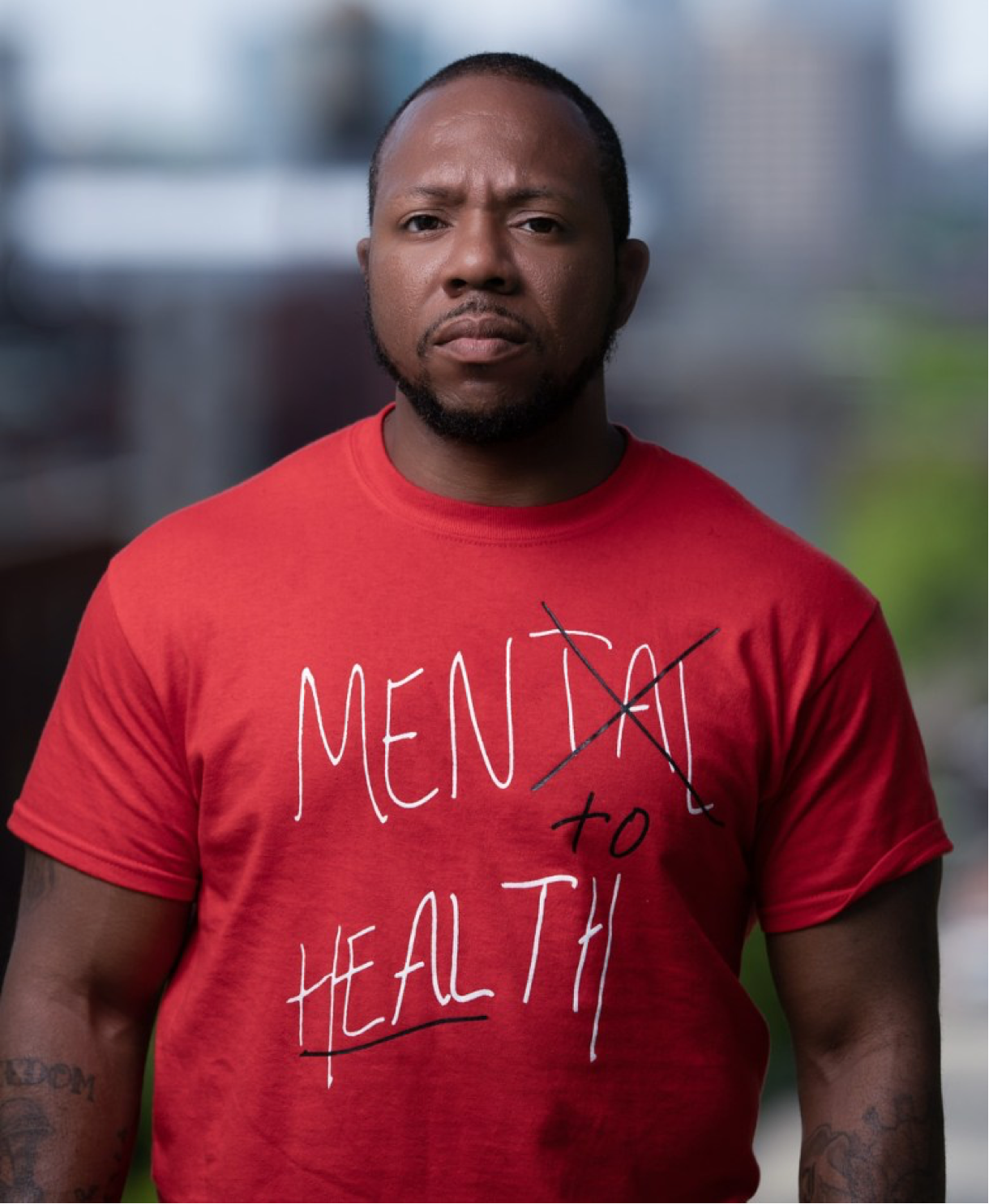
James Harris is a U.S. Army veteran and founder of Men to Heal, a movement devoted to helping others overcome trauma through culturally informed mental health care and community support. Photo Credit: Courtesy photo
Harris said from his time in therapy as a child and a veteran, he did not feel like the therapists adequately understand what he went through and therefore could not truly help him.
“Since I had those experiences—in addition to the book knowledge, in addition to the case studies, in addition to the license—I thought I could provide greater assistance to veterans, as well as people who look like me, and who have traveled this road,” said Harris.
Through Men to Heal, a movement he started to offer counseling for veterans, youth, families, and couples, Harris does the work of giving back. Through the movement, Harris operates a wellness center in Richmond, Va., providing financial resources, outpatient therapy, and yoga.
Harris said veterans often come home feeling isolated and unable to be understood by the people in their lives.
“You feel like you’re the only person that’s been through it or don’t have anybody who can relate to your experience besides the people that you deployed with,” Harris said.
To better support veterans upon their return home, especially those diagnosed with PTSD, Harris said families and communities can best help by making sure to include them in various activities.
“Avoidance or isolation is no good, so we want to try to involve them as much as possible,” said Harris. “The family should also understand that veterans are oftentimes on alert or have heightened senses. They’re looking for threats; they want to position themselves so that they can see exits and take care of situations.”
Harris emphasized that having patience is key. Veterans can also benefit from widespread access to culturally informed care and a dismantling of stigmas both in the military and the community around mental health.
Veterans do have options for receiving care.
“If you would feel more comfortable with a provider of the same race, religion, or cultural background, share your preference with VA. When you start seeing a new provider, ask about their experience treating Veterans of color or Veterans with similar religious or cultural backgrounds,” say VA officials, in resources that speak directly to veterans on race, culture, and PTSD.
“Don’t hesitate to bring up issues related to race with your provider. Remember, your conversations with your provider are confidential. If it turns out your provider doesn’t have the experience to meet your needs, or you don’t feel it’s a supportive match, you can ask to switch to someone else.”







#NNPA BlackPress
The hidden risks of poor water management in residential properties
Poor water management in residential properties can result in structural damage, health risks, and long-term financial strain. Water is the most important resource for any country, and having access to clean drinking water should be a right that needs to be preserved. Unfortunately, we are noticing a trend in the US right now where poor water […]

Poor water management in residential properties can result in structural damage, health risks, and long-term financial strain.
Water is the most important resource for any country, and having access to clean drinking water should be a right that needs to be preserved. Unfortunately, we are noticing a trend in the US right now where poor water management in residential properties is becoming more common.
It’s not even just access to water that gets affected when residential water management isn’t made a priority. It can result in issues with major leaks and flooding events, which affect the health and safety of residents.
Gradual Structural Damage
The worst thing about flooding or water leaks is the gradual structural damage that real estate investors have to deal with. Water can seep into materials like:
- Wood
- Drywall
- Concrete
It can do so over time, drop by drop, and eventually cause significant damage to these structures.
A slow leak behind a wall or under a floor may go unnoticed for months, gradually compromising the integrity of the structure. Over time, this can lead to:
- Warped floors
- Cracked foundations
- Weakened support beams
If you aren’t interested in spending hundreds or thousands of dollars to repair your residential properties, then it’s important to focus on water management in your annual plan.

Mold and Indoor Air Quality Issues
Excess moisture creates the perfect growing environment for mold. Within 24 to 48 hours, mold can start developing in damp conditions, and it often does so in hidden places like:
- Behind walls
- Under carpets
- Poorly ventilated areas
Mold is a health hazard, especially for the very young and very old, and those who have a compromised immune system. Indoor air quality starts degrading very fast when mold growth happens, which can result in allergies, asthma, and other respiratory conditions.
Addressing mold problems can be both complicated and expensive, often requiring professional remediation to fully eliminate the issue.
Increased Utility Costs
If you notice that your utility bills have gone up in recent weeks or months, without any corresponding difference in tenants or temperature, it could be due to a water leak. Malfunctioning fixtures can also cause an increase in utility costs.
Even small, continuous leaks can add up to substantial water loss, making regular inspections and maintenance essential. That’s why paying attention to water management is so crucial for any real estate investor.
Foundation and Drainage Problems
Proper drainage is crucial to protecting a home’s foundation. Water needs to be directed away from the property, and if not done so, then it can accumulate around the base of a structure. This can lead to soil erosion, foundation cracks, and even basement flooding.
Clogged gutters, improper grading, and inadequate drainage systems are common contributors to these issues. All of these have to be addressed to prevent long-term damage to your foundation and prevent expensive repair bills that eat away at your budget.
Professional eavestrough installers are necessary to ensure rainwater stays away from your foundation and moves away from the property properly.
Pest Infestations
No homeowner or investor wants pests in their residential properties. It’s not good for the health of the residents, nor is it good for the reputation of the properties in attracting future tenants.
Moist environments often attract pests such as:
- Termites
- Rodents
- Insects
Standing water or damp areas provide ideal conditions for these unwanted guests to thrive.
Once pests are established in your property, they will start causing further damage by eating away at certain structures. To get rid of them requires expensive pest control services and takes time.
Insurance and Financial Implications
Even though insurance does cover certain types of water damage, it doesn’t cover all forms of water damage, and thus, you might end up paying out of pocket in certain cases.
Damage resulting from neglect or lack of maintenance is often excluded from coverage. That’s why it’s so important to apply water management strategies to all of your residential properties.
If you wish to sell your property later, then it’s important to be very cognizant of water damage, as buyers will conduct inspections that could alert them to such water damage and prevent your home from selling in the future.
Frequently Asked Questions
What Are Some Preventive Measures for Water Management?
There are many home safety tips you can follow to ensure your home stays safe from water damage.
Regularly inspecting plumbing systems, cleaning gutters, and ensuring proper drainage can help identify problems early. Installing moisture detectors, maintaining appliances, and addressing leaks promptly are also effective strategies.
You can also hire a water damage specialist and have them take a look at your home to ensure nothing untoward is going on, especially if you notice a major change in your utility bills.
How Does Water Damage Interior Spaces?
Water damage can occur without the home dwellers noticing it. In some cases, the water damage to interior spaces is very apparent, as when the ceilings start sagging or the walls and ceilings develop water stains.
You might also notice the floors rotting or warping.
In addition to structural concerns, water damage can ruin personal belongings such as:
- Furniture
- Electronics
- Important documents
The emotional and financial cost of replacing these items can be significant.
Nothing good comes out of water damage, but it’s highly preventable if you only take the steps mentioned above. Do not become lazy or complacent in this situation. It could be the difference between saving hundreds of dollars in water damage bills and not.
Protect Yourself From the Risks of Water Damage
Not everyone places such a priority on water management, and that’s a shame. It’s truly when you are dealing with water damage that you regret this decision.
Residential water management can save you hundreds or even thousands of dollars in bills in the future. It’s worth the time and resources you place upon it.
By staying vigilant and adopting proactive maintenance habits, homeowners can protect their properties and protect their investment from degrading into a money-sucking pile of stones.
Please check out related articles on our website for more interesting articles on a wide variety of subjects.
#NNPA BlackPress
Black Micro-Schools Deserve Recognition: NABML Creates National Standards and Resources
BLACKPRESSUSA NEWSWIRE: Black families are the fastest-growing demographic in alternative education. Discover how the National Association of Black Micro School Leaders is providing educators with resources, training, and certification to launch thriving microschools.


by Dawn Montgomery
BlackPressUSA Contributor
Public school advocates and politicians typically spearhead the attack on microschools, focusing on their perceived “lack of oversight and public accountability.” Yet Black families are the fastest-growing demographic in alternative education. This shift is driven by the recognition that traditional public education cannot change quickly enough to serve its children’s needs. The National Association of Black Micro-School Leaders is an organization working to counter this narrative and fill a critical gap. Nicole Stewart, the founder, told The Carolinian that “Black families are the fastest-growing group in alternative education, but Black microschool founders have had no national home, no unified voice, no shared resources, and no collective power.”
Nicole Stewart, a former educator with nearly 20 years of experience in public education, retired to start her education consulting company and later opened her own school. That experience led her to discover microschools. Stewart advocates for a balance between joy and rigor in education, designing learning experiences that honor identity, strength, and purpose. She understands that microschools can be tailored to address the specific needs of the families and communities they serve.
The oversight criticism is legitimate. This concern is precisely why NABML is establishing the national benchmark for community-led education. NABML’s certification is that seal of approval, signaling to families, funders, and policymakers that a school is not merely functioning but is outstanding. Additionally, the organization emphasizes the importance of legal structures, fiscal stewardship frameworks, and community involvement as foundational to sustainability and accountability.
NABML realizes this vision via four main support systems:
Community Design Day: NABML facilitates a process in which the neighborhood tells us what its children deserve. You get to explore new learning approaches and define educational priorities for your community. A community task force is then formed to implement these ideas, and NABML supports you along the way. This creates a space where you can be a part of the process as a founding member of a microschool.
Founders Launch Lab: This professional development experience equips Black microschool founders and educational leaders with the training, operational, and strategic skills to launch and sustain thriving schools. Participants gain the business acumen and pedagogical frameworks necessary to navigate the transition from traditional educator roles to entrepreneurial school leaders.
Membership (The Vault): Members gain instant, 24/7 access to proprietary legal templates, student handbook builders, fiscal stewardship frameworks, and zoning blueprints designed specifically for the microschool model. They also join a curated community of mission-aligned founders through monthly “Brilliance Circles” and a private digital forum. Membership unlocks the NABML Fund, a curated capital pool designed specifically for the network, removing a major barrier to school launch and sustainability.
Certification: This is the seal of approval that tells families, funders, and policymakers that your school isn’t just operating; it is also excelling. NABML is currently developing the national benchmark for community-led education, making sure that certified schools meet rigorous standards for student outcomes, community engagement, and fiscal responsibility.
Whether you’re a parent seeking educational alternatives, an educator ready to launch a microschool, or a policymaker committed to expanding equitable education options, NABML invites you to be part of this transformation.
Ready to start or support a microschool? Visit https://nabml.org/ to learn more, access resources, or join the Founders Launch Lab.
Want to invest in Black educational futures? Make a donation at https://secure.qgiv.com/for/naobml/ to support founders in building schools that serve their communities.
Every microschool launched is a community transformed. Every founder supported is a generation of Black children empowered to thrive.

#NNPA BlackPress
IN MEMORIAM: Rest in Power — Minnesota Loses a True Warrior in Yusef Mgeni
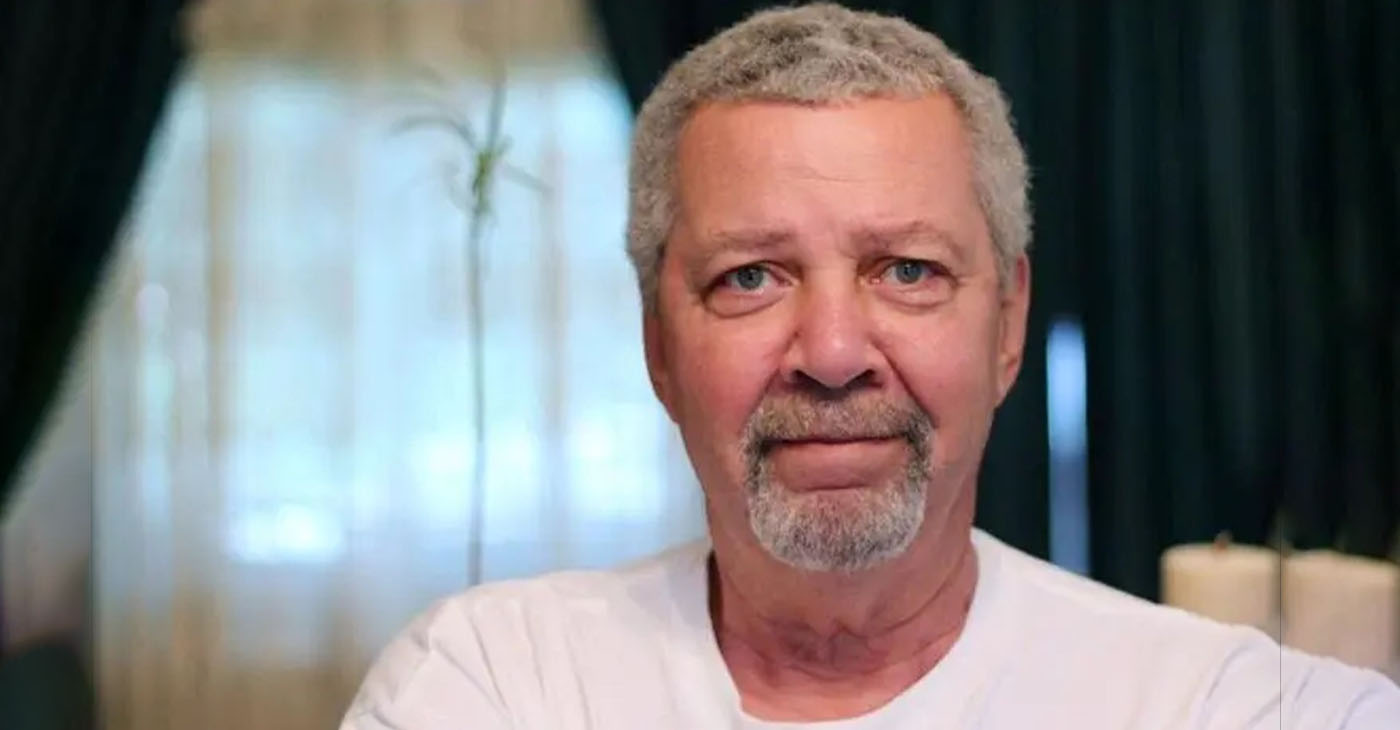
MINNESOTA SPOKESMAN RECORDER — Yusef Mgeni, a brilliant historian, community organizer, former St. Paul educator and fierce advocate for Black people, died on April 7, 2026, leaving behind a legacy that will echo through generations of Black Minnesota history and community building.
By MSR News Online
Minnesota and the world lost a powerful voice and a true warrior on April 7, 2026. Yusef Mgeni is gone, but his legacy will echo for generations.
Yusef was a brilliant historian, a community organizer, a former St. Paul educator, and a fierce advocate for Black people. He carried with him an extraordinary archive of speeches, books, articles, and photographs documenting the work of countless Black scholars and leaders. His knowledge was not just deep. It was generational. Talk to him about any subject concerning Black history, and he would give you a dissertation.
His roots in this community ran deeper than most people knew. Yusef was the grandnephew of Fredrick McGhee, the pioneering 20th-century civil rights activist and attorney who made his mark in St. Paul at the turn of the century. That lineage was not lost on Yusef. He carried it forward with pride and purpose, spending decades making sure the stories of Black Minnesotans were told, preserved, and passed on.
As a journalist, Yusef called NAACP leaders and community figures to identify the issues that mattered most to Black people and wrote about them in local newspapers. He was a contributor to the Minnesota Spokesman-Recorder, a platform he understood and respected deeply. As a former St. Paul NAACP vice president, he remained active and engaged well into his retirement, answering emails and voicemails for residents who were at their wits’ end, helping them navigate evictions, legal challenges, and systemic barriers.
“Generally, they contact us when they are at their wits’ end,” he once said. “They are going to get evicted; their car is getting repossessed. We assist in navigating the system.”
His work was always about access. Under his leadership and alongside other NAACP leaders, the St. Paul chapter helped establish a landmark covenant between the police and the St. Paul community in 2001, a model that contributed to dramatically lower excessive-force costs than in Minneapolis in the decade that followed.
Yusef was also a passionate champion of ethnic studies in Minnesota’s schools, understanding that education rooted in Black and Brown history was not a supplement to American history but central to it.
“Ethnic studies is also American history,” he said. “The fact that the legislature and the MDE have both endorsed ethnic studies requirements in schools is a real plus for giving people the opportunity to explore and learn more about American history, and more importantly, to see themselves reflected in that learning.”
In the 1970s and ’80s, Yusef worked alongside Mrs. Clarissa Walker at the Sabathani Community Center, where they poured their energy into uplifting and empowering the community. Their work helped shape the cultural and political landscape of South Minneapolis during a critical era. They were part of a generation that built institutions, nurtured young people, and fought for justice with unwavering commitment.
Yusef also played a key role in the early development of KMOJ Radio, helping to establish a platform that amplified Black voices long before it was common or convenient. His activism extended through education, the St. Paul NAACP, the Million Man March, and the Urban Coalition, always rooted in a deep and abiding love for his people.
He was also an interviewee in the Rondo neighborhood oral history project preserved by the Minnesota Historical Society, ensuring that the voices and stories of that community would never be lost.
Not long ago, a colleague was blessed to sit with Yusef at his home, where he reflected on his life and his legacy. He talked about his work in education, his activism, and his years of service to the community. But what stood out just as much was how he spoke about his family and his people, with warmth, with pride, and with purpose.
Today, we honor him not only for what he accomplished but for the spirit with which he did it.
A scholar. A builder. A warrior. A keeper of our stories.
Thank you, Yusef, for everything you gave and everything you sacrificed on behalf of Black people. Your legacy stands tall, and our community is better because of you.
Rest in Power, Yusef Mgeni.

WORK FROM HOME
Home-based business with potential monthly income of $10K+ per month. A proven training system and website provided to maximize business effectiveness. Perfect job to earn side and primary income. Contact Lynne for more details: Lynne4npusa@gmail.com 800-334-0540


Mayor Barbara Lee Proclaims April 9 as ‘100 Black Men of the Bay Area Day’

Stanford Health Care Collaborates with Alameda Health System Affiliate, Expanding Access to Care in East Bay

Building Bridges of Support: How AAPI Equity Alliance Is Strengthening California’s Anti-Hate Network

Oakland Post: Week of April 15 – 21, 2026

The hidden risks of poor water management in residential properties

Black Micro-Schools Deserve Recognition: NABML Creates National Standards and Resources

IN MEMORIAM: Rest in Power — Minnesota Loses a True Warrior in Yusef Mgeni

Revolve Fund to Provide $20,000 to Support Food Access Efforts in Alabama Black Belt

Mamdani Plans City Grocery Store in East Harlem

Cuban President Vows to Defend the Country Against US Invasion

What to do when inheriting a house that is paid off

Oakland Post: Week of April 8 – 14, 2026

Do DUI checkpoints reduce impaired driving? What local data shows

Black Press Celebrates Ties to Black Church in Annual Sunday Service

Black Women in Rural Areas Grapple with Stark Decline in Obstetric Care

Oakland Post: Week of March 4 – 10, 2026

Oakland Post: Week of March 18 – 24, 2026

Oakland Post: Week of March 11 -17, 2026

Financial Wellness and Mental Health: Managing Money Stress in College

New Research Shows the Many Benefits of Early Learning

Grief, Advocacy, and Education: A Counselor Reflects on Black Maternal Health

Brooklyn Academy of Music Names Jamaican-Born Tamara McCaw as President

Trinidad & Tobego – U.S. Launches WhatsApp Channel for American Citizens in the Country

Black Artists in America, Installation Three Wraps at the Dixon Gallery and Gardens

Future of Florida’s Black History Museum in Limbo

Women & Wealth: Tips for Navigating Your Lifelong Financial Journey

Cuba: No Negotiation with US on the President or Political System

Woman’s Search for Family’s Roots Leads to Ancestor John T. Ward – A Successful Entrepreneur and Conductor on the Underground Railroad

South Hampton K-8 Students Among Top 10 Finalists for Samsung’s ‘Solve for Tomorrow’ Competition

COMMENTARY: Women of Color Shape Our Past and Future

Hyundai Ioniq 5 Parking, Safety, and 360 View #shorts

2025 Ioniq 5 New Wiper & Powerful Performance! #shorts

Electric SUV Range: Is 259 Miles Enough? #shorts

EV Charging: How Fast Can You Charge an Electric Vehicle? #shorts

Biometric Cooling… Messaging Seats…Come on! 2025 Infiniti QX80 Autograph 4WD

Charged Up: Witness the Magic of a Fully Electric Car! #shorts

Range Rover Sport PHEV Included…: See What’s Inside This Luxury SUV! #shorts

Invisible Hood View: Perfect Parking with X-Ray Vision! #shorts

AI Is Reshaping Black Healthcare: Promise, Peril, and the Push for Improved Results in California

ESSAY: Technology and Medicine, a Primary Care Point of View

Sanctuary Cities

The RESISTANCE – FREEDOM NOW

STATE OF THE PEOPLE: Freddie

ECONOMIC BOYCOTT DAY!!!!!

I told You So
-
 Activism4 weeks ago
Oakland Post: Week of March 18 – 24, 2026
-
 #NNPA BlackPress4 weeks ago
New Research Shows the Many Benefits of Early Learning
-
 #NNPA BlackPress4 weeks ago
Grief, Advocacy, and Education: A Counselor Reflects on Black Maternal Health
-
 #NNPA BlackPress4 weeks ago
Brooklyn Academy of Music Names Jamaican-Born Tamara McCaw as President
-
 #NNPA BlackPress4 weeks ago
Trinidad & Tobego – U.S. Launches WhatsApp Channel for American Citizens in the Country
-
 #NNPA BlackPress4 weeks ago
Black Artists in America, Installation Three Wraps at the Dixon Gallery and Gardens
-
 #NNPA BlackPress4 weeks ago
Future of Florida’s Black History Museum in Limbo
-
 #NNPA BlackPress4 weeks ago
Cuba: No Negotiation with US on the President or Political System
