Connect with us

History

Edward “Duke” Ellington: His Road to Legacy

Published

on

As a 4-year-old sitting and listening to his mother play the piano tune “Rosary,” he cried.

“It was so pretty; so pretty,” he’d said. By age 7, he had developed a bond with music so strong that he began to play piano on his own.

He’d met his first love. It was through certainty that he’d said to his next-door neighbor, “One of these days I’m going to be famous.” The young Edward Kennedy “Duke” Ellington (1899–1974) was on his way; and just how far would be something for the world to see.

Ellington’s upbringing in Wash., D.C., was modest, he was “pampered with a sense of self-importance,” hence the nickname, ‘Duke.’ There were two pianos in the Ellington home, but Duke focused more on commercial art and playing baseball. Eventually, his focus shifted as he became mesmerized by ragtime and blues and started meeting other piano players.

Later, Ellington held a job at a local soda fountain. His experiences there led the then 15-year-old to compose his first song: “Soda Fountain Rag.” One of his first gigs was to play piano at a party; he did so until his hands bled. Ellington’s pay for the evening was 75 cents, he’d said, adding that it was “the most money I had ever seen … I rushed all the way home to my mother with it. But I could not touch a piano key for weeks.”

His creativity and talent had already grabbed the attention of many. By his late teens, Ellington had earned enough money to help his parents move into a better home.

Still a teen, Ellington was on a roll. Composing and performing at high-brow events around Wash., D.C., ran a close second to his career in commercial art. He had married Edna Thompson and a baby was on the way. Then in 1923, the call of New York City came and once in Harlem, his career soared. He went from sideman to bandleader of the Washingtonians within a year.

Ellington quickly became a staple at Harlem’s Cotton Club, performing there from 1927 to 1931, the same year he was invited to perform at the White House. This life pushed him to become flexible in his craft. He always needed new music for dance routines, theatrical pieces, radio broadcasts, and supporting other acts. This led to a Victor recording contract and critical acclaim as the “preeminent African American jazz band of its day.” The accolades, the exposure, the successes, never stopped. Critics have called the vastness, the depth of his music “bewildering.”

Primarily a music composer, Ellington worked with a number of lyricists for some of his most well-known songs including “Take the ‘A’ Train,” “Mood Indigo,” “Echoes of Harlem,” “Concerto for Cootie,” “Don’t get Around Much Anymore,” and many more.

According to critics, Ellington “was not content to be labeled a jazz artist … his dense textures and experimentalism reveal attempts to break out of typical jazz molds.”

The popularity of big bands waned after World War II bu Ellington kept his band together, paying expenses from his royalties as a composer.

To this day, his legacy in not only Black music but American music remains unrivaled. His talents were multifold: composer, bandleader, arranger, pianist, and interpreter of African American history and culture. Like any great artist, his creativity endures and will continue to be evaluated for many years to come.

Since his death in 1974, Ellington’s many achievements continue to be explored; his music remains alive.

Tamara Shiloh

Tamara Shiloh


About Tamara Shiloh


Tamara Shiloh has published the first two books in her historical fiction chapter book series, Just Imagine…What If There Were No Black People in the World is about African American inventors, scientists and other notable Black people in history. The two books are Jaxon’s Magical Adventure with Black Inventors and Scientists and Jaxon and Kevin’s Black History Trip Downtown. Tamara Shiloh has also written a book a picture book for Scholastic, Cameron Teaches Black History, that will be available in June, 2022.

Tamara Shiloh’s other writing experiences include: writing the Black History column for the Post Newspaper in the Bay area, Creator and Instruction of the black History Class for Educators a professional development class for teachers and her non-profit offers a free Black History literacy/STEM/Podcast class for kids 3d – 8th grade which also includes the Let’s Go Learn Reading and Essence and tutorial program.   She is also the owner of the Multicultural Bookstore and Gifts, in Richmond, California,

Previously in her early life she was the /Editor-in-Chief of Desert Diamonds Magazine, highlighting the accomplishments of minority women in Nevada; assisting with the creation, design and writing of a Los Angeles-based, herbal magazine entitled Herbal Essence; editorial contribution to Homes of Color; Editor-in-Chief of Black Insight Magazine, the first digital, interactive magazine for African Americans; profile creations for sports figures on the now defunct PublicFigure.com; newsletters for various businesses and organizations; and her own Las Vegas community newsletter, Tween Time News, a monthly publication highlighting music entertainment in the various venues of Las Vegas.

She is a member of:

  • Society of Children’s Book Writers and Illustrators (SCBWI)

  • Richmond Chamber of Commerce

  • Point Richmond Business Association

  • National Association of Professional Women (NAPW)

  • Independent Book Publishers Association (IPBA)

  • California Writers Club-Berkeley & Marin

  • Richmond CA Kiwanis

  • Richmond CA Rotary

  • Bay Area Girls Club


Tamara Shiloh, a native of Northern California, has two adult children, one grandson and four great-grand sons. She resides in Point Richmond, CA with her husband, Ernest.

www.multiculturalbookstore.com

About Tamara Shiloh

Tamara Shiloh has published the first two books in her historical fiction chapter book series, Just Imagine…What If There Were No Black People in the World is about African American inventors, scientists and other notable Black people in history. The two books are Jaxon’s Magical Adventure with Black Inventors and Scientists and Jaxon and Kevin’s Black History Trip Downtown. Tamara Shiloh has also written a book a picture book for Scholastic, Cameron Teaches Black History, that will be available in June, 2022. Tamara Shiloh’s other writing experiences include: writing the Black History column for the Post Newspaper in the Bay area, Creator and Instruction of the black History Class for Educators a professional development class for teachers and her non-profit offers a free Black History literacy/STEM/Podcast class for kids 3d – 8th grade which also includes the Let’s Go Learn Reading and Essence and tutorial program.   She is also the owner of the Multicultural Bookstore and Gifts, in Richmond, California, Previously in her early life she was the /Editor-in-Chief of Desert Diamonds Magazine, highlighting the accomplishments of minority women in Nevada; assisting with the creation, design and writing of a Los Angeles-based, herbal magazine entitled Herbal Essence; editorial contribution to Homes of Color; Editor-in-Chief of Black Insight Magazine, the first digital, interactive magazine for African Americans; profile creations for sports figures on the now defunct PublicFigure.com; newsletters for various businesses and organizations; and her own Las Vegas community newsletter, Tween Time News, a monthly publication highlighting music entertainment in the various venues of Las Vegas. She is a member of:
  • Society of Children’s Book Writers and Illustrators (SCBWI)
  • Richmond Chamber of Commerce
  • Point Richmond Business Association
  • National Association of Professional Women (NAPW)
  • Independent Book Publishers Association (IPBA)
  • California Writers Club-Berkeley & Marin
  • Richmond CA Kiwanis
  • Richmond CA Rotary
  • Bay Area Girls Club
Tamara Shiloh, a native of Northern California, has two adult children, one grandson and four great-grand sons. She resides in Point Richmond, CA with her husband, Ernest. www.multiculturalbookstore.com

Continue Reading
Click to comment

Leave a Reply

Your email address will not be published. Required fields are marked *

Activism

First 5 Alameda County Distributes Over $8 Million in First Wave of Critical Relief Funds for Historically Underpaid Caregivers

“Family, Friend, and Neighbor caregivers are lifelines for so many children and families in Alameda County,” said Kristin Spanos, CEO, First 5 Alameda County. “Yet, they often go unrecognized and undercompensated for their labor and ability to give individualized, culturally connected care. At First 5, we support the conditions that allow families to thrive, and getting this money into the hands of these caregivers and families at a time of heightened financial stress for parents is part of that commitment.”

Published

on

Costco. Courtesy image.

Family, Friend, and Neighbor Caregivers Can Now Opt Into $4,000 Grants to Help Bolster Economic Stability and Strengthen Early Learning Experiences

By Post Staff

Today, First 5 Alameda County announced the distribution of $4,000 relief grants to more than 2,000 Family, Friend, and Neighbor (FFN) caregivers, totaling over $8 million in the first round of funding. Over the full course of the funding initiative, First 5 Alameda County anticipates supporting over 3,000 FFN caregivers, who collectively care for an estimated 5,200 children across Alameda County. These grants are only a portion of the estimated $190 million being invested into expanding our early childcare system through direct caregiver relief to upcoming facilities, shelter, and long-term sustainability investments for providers fromMeasure C in its first year. This investment builds on the early rollout of Measure C and reflects a comprehensive, system-wide strategy to strengthen Alameda County’s early childhood ecosystem so families can rely on sustainable, accessible care,

These important caregivers provide child care in Alameda County to their relatives, friends, and neighbors. While public benefits continue to decrease for families, and inflation and the cost of living continue to rise, these grants provide direct economic support for FFN caregivers, whose wages have historically been very low or nonexistent, and very few of whom receive benefits. As families continue to face growing financial pressures, especially during the winter and holiday season, these grants will help these caregivers with living expenses such as rent, utilities, supplies, and food.

“Family, Friend, and Neighbor caregivers are lifelines for so many children and families in Alameda County,” said Kristin Spanos, CEO, First 5 Alameda County. “Yet, they often go unrecognized and undercompensated for their labor and ability to give individualized, culturally connected care. At First 5, we support the conditions that allow families to thrive, and getting this money into the hands of these caregivers and families at a time of heightened financial stress for parents is part of that commitment.”

The funding for these relief grants comes from Measure C, a local voter-approved sales tax in Alameda County that invests in young children, their families, communities, providers, and caregivers. Within the first year of First 5’s 5-Year Plan for Measure C, in addition to the relief grants to informal FFN caregivers, other significant investments will benefit licensed child care providers. These investments include over $40 million in Early Care and Education (ECE) Emergency Grants, which have already flowed to nearly 800 center-based and family child care providers. As part of First 5’s 5-Year Plan, preparations are also underway to distribute facilities grants early next year for child care providers who need to make urgent repairs or improvements, and to launch the Emergency Revolving Fund in Spring 2026 to support licensed child care providers in Alameda County who are at risk of closure.

The FFN Relief Grants recognize and support the essential work that an estimated 3,000 FFN caregivers provide to 5,200 children in Alameda County. There is still an opportunity to receive funds for FFN caregivers who have not yet received them.

In partnership with First 5 Alameda County, Child Care Payment Agencies play a critical role in identifying eligible caregivers and leading coordinated outreach efforts to ensure FFN caregivers are informed of and able to access these relief funds.FFN caregivers are eligible for the grant if they receive a child care payment from an Alameda County Child Care Payment Agency, 4Cs of Alameda County, BANANAS, Hively, and Davis Street, and are currently caring for a child 12 years old or younger in Alameda County. Additionally, FFN caregivers who provided care for a child 12 years or younger at any time since April 1, 2025, but are no longer doing so, are also eligible for the funds. Eligible caregivers are being contacted by their Child Care Payment Agency on a rolling basis, beginning with those who provided care between April and July 2025.

“This money is coming to me at a critical time of heightened economic strain,” said Jill Morton, a caregiver in Oakland, California. “Since I am a non-licensed childcare provider, I didn’t think I was eligible for this financial support. I was relieved that this money can help pay my rent, purchase learning materials for the children as well as enhance childcare, buy groceries and take care of grandchildren.”

Eligible FFN caregivers who provided care at any time between April 1, 2025 and July 31, 2025, who haven’t yet opted into the process, are encouraged to check their mail and email for an eligibility letter. Those who have cared for a child after this period should expect to receive communications from their child care payment agency in the coming months. FFN caregivers with questions may also contact the agency they work with to receive child care payments, or the First 5 Alameda help desk, Monday through Friday, from 9 a.m. to 5:00 p.m. PST, at 510-227-6964. The help desk will be closed 12/25/25 – 1/1/26. Additional grant payments will be made on a rolling basis as opt-ins are received by the four child care payment agencies in Alameda County.

Beginning in the second year of Measure C implementation, FFN caregivers who care for a child from birth to age five and receive an Alameda County subsidized voucher will get an additional $500 per month. This amounts to an annual increase of about $6,000 per child receiving a subsidy. Together with more Measure C funding expected to flow back into the community as part of First 5’s 5-Year Plan, investments will continue to become available in the coming year for addressing the needs of childcare providers in Alameda County.

About First 5 Alameda County

First 5 Alameda County builds the local childhood systems and supports needed to ensure our county’s youngest children are safe, healthy, and ready to succeed in school and life.

Our Mission

In partnership with the community, we support a county-wide continuous prevention and early intervention system that promotes optimal health and development, narrows disparities, and improves the lives of children from birth to age five and their families.

Our Vision

Every child in Alameda County will have optimal health, development, and well-being to reach their greatest potential. 

Learn more at www.first5alameda.org.

Continue Reading

Activism

2025 in Review: Seven Questions for Assemblymember Lori Wilson — Advocate for Equity, the Environment, and More

Her rise has also included several historic firsts: she is the only Black woman ever appointed to lead the influential Assembly Transportation Committee, and the first freshman legislator elected Chair of the California Legislative Black Caucus. She has also been a vocal advocate for vulnerable communities, becoming the first California legislator to publicly discuss being the parent of a transgender child — an act of visibility that has helped advanced representation at a time when political tensions related to social issues and culture have intensified. 

Published

on

Assemblymember Lori D. Wilson (D-Suisun City). File photo.

By Edward Henderson, California Black Media 

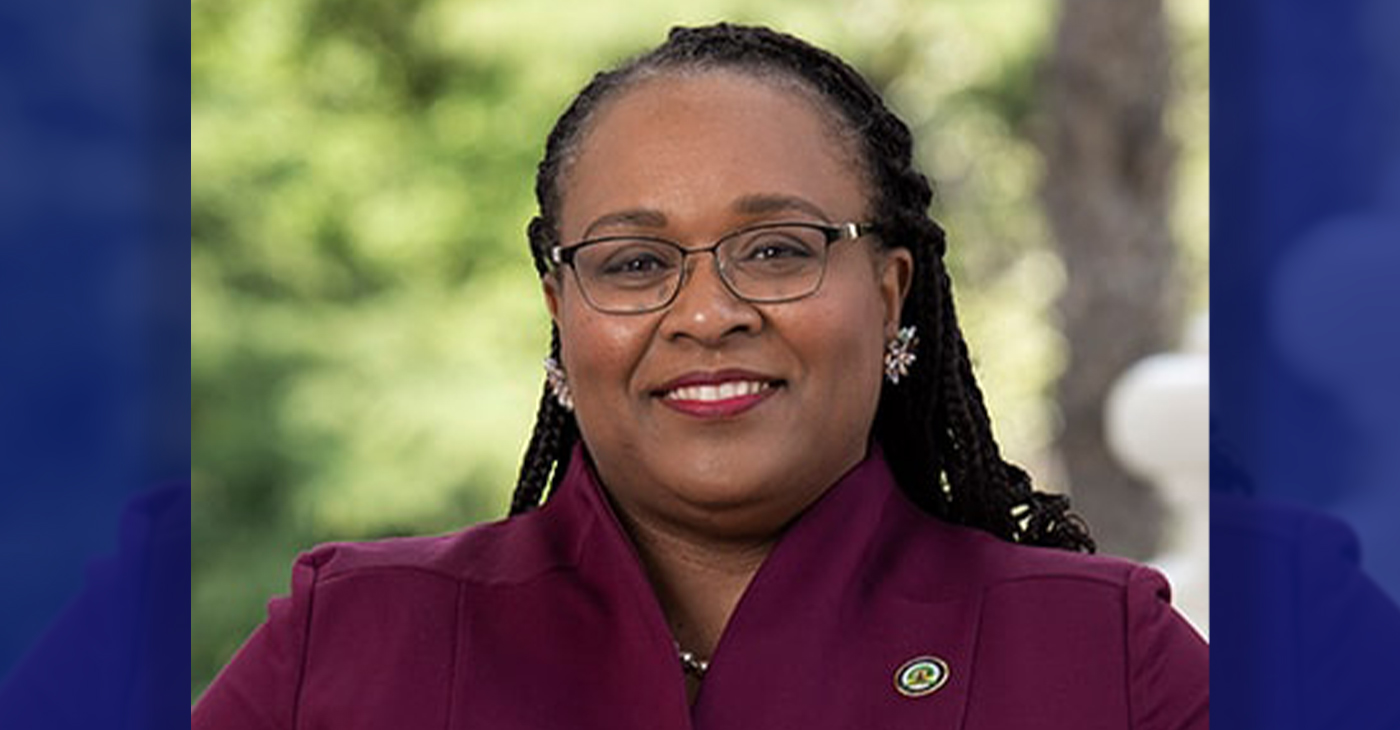
Assemblymember Lori D. Wilson (D-Suisun City) joined the California Legislature in 2022 after making history as Solano County’s first Black female mayor, bringing with her a track record of fiscal discipline, community investment, and inclusive leadership.

She represents the state’s 11th Assembly District, which spans Solano County and portions of Contra Costa and Sacramento Counties.

Her rise has also included several historic firsts: she is the only Black woman ever appointed to lead the influential Assembly Transportation Committee, and the first freshman legislator elected Chair of the California Legislative Black Caucus. She has also been a vocal advocate for vulnerable communities, becoming the first California legislator to publicly discuss being the parent of a transgender child — an act of visibility that has helped advanced representation at a time when political tensions related to social issues and culture have intensified.

California Black Media spoke with Wilson about her successes and disappointments this year and her outlook for 2026.

What stands out as your most important achievement this year?

Getting SB 237 passed in the Assembly. I had the opportunity to co-lead a diverse workgroup of colleagues, spanning a wide range of ideological perspectives on environmental issues.

How did your leadership contribute to improving the lives of Black Californians this year?

The Black Caucus concentrated on the Road to Repair package and prioritized passing a crucial bill that remained incomplete during my time as chair, which establishes a process for identifying descendants of enslaved people for benefit eligibility.

What frustrated you the most this year?

The lack of progress made on getting Prop 4 funds allocated to socially disadvantaged farmers. This delay has real consequences. These farmers have been waiting for essential support that was promised. Watching the process stall, despite the clear need and clear intent of the voters, has been deeply frustrating and reinforces how much work remains to make our systems more responsive and equitable.

What inspired you the most this year?

The resilience of Californians persists despite the unprecedented attacks from the federal government. Watching people stay engaged, hopeful, and determined reminded me why this work matters and why we must continue to protect the rights of every community in our state.

What is one lesson you learned this year that will inform your decision-making next year?

As a legislator, I have the authority to demand answers to my questions — and accept nothing less. That clarity has strengthened my approach to oversight and accountability.

In one word, what is the biggest challenge Black Californians are facing currently?

Affordability and access to quality educational opportunities.

What is the goal you want to achieve most in 2026?

Advance my legislative agenda despite a complex budget environment. The needs across our communities are real, and even in a tight fiscal year, I’m committed to moving forward policies that strengthen safety, expand opportunity, and improve quality of life for the people I represent.

Continue Reading

Activism

2025 in Review: Seven Questions for Assemblymember Tina McKinnor, Champion of Reparations, Housing and Workers’ Rights

In 2025, McKinnor pushed forward legislation on renters’ protections, re-entry programs, reparations legislation, and efforts to support Inglewood Unified School District. She spoke with California Black Media about the past year and her work. Here are her responses.

Published

on

Assemblymember Tina McKinnor (D-Inglewood). File photo.

By Joe W. Bowers Jr., California Black Media 

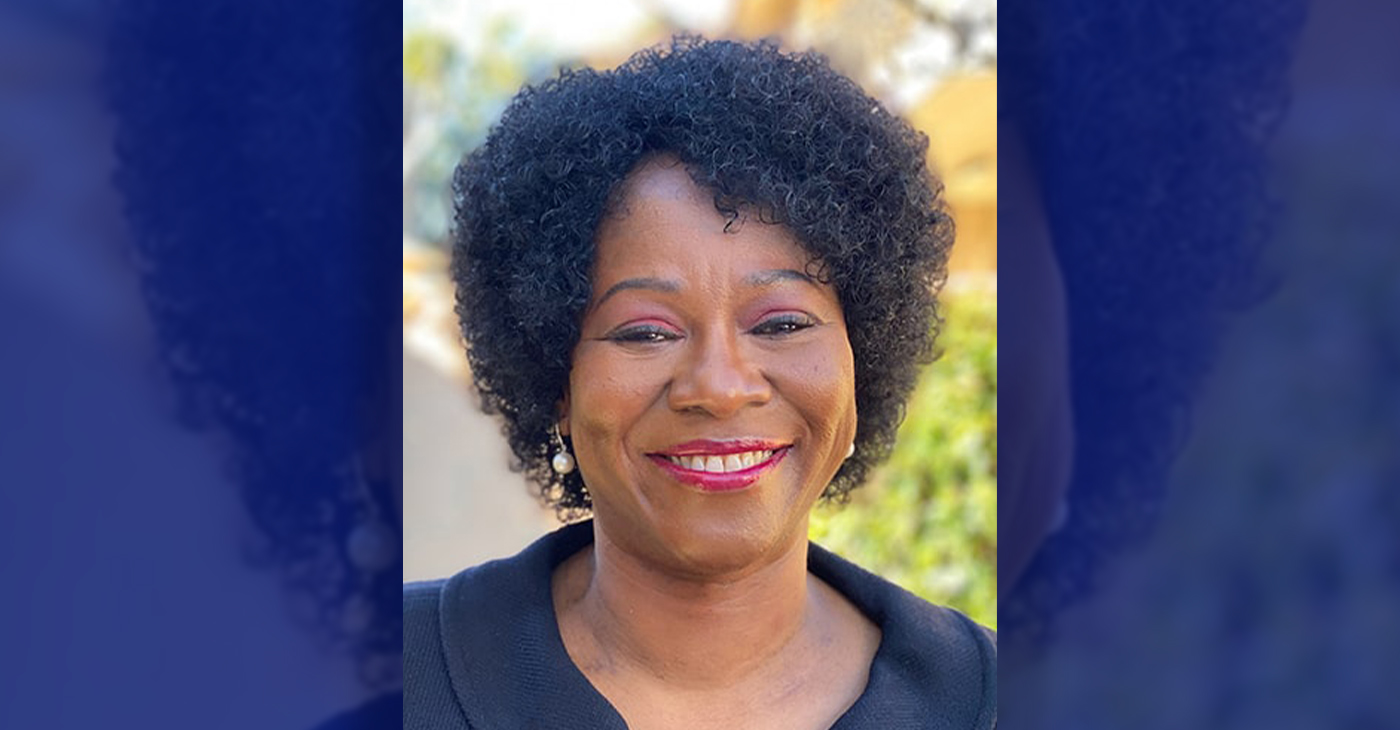
Assemblymember Tina McKinnor (D-Inglewood) represents

California’s 61st Assembly District.

As a member of the California Legislative Black Caucus (CLBC),

McKinnor was elected in 2022. She chairs the Los Angeles County Legislative Delegation and leads the Assembly Public Employment and Retirement Committee. McKinnor also served as a civic engagement director, managed political campaigns, and worked as chief of staff for former Assemblymembers Steven Bradford and Autumn Burke.

In 2025, McKinnor pushed forward legislation on renters’ protections, re-entry programs, reparations legislation, and efforts to support Inglewood Unified School District. She spoke with California Black Media about the past year and her work. Here are her responses.

Looking back on 2025, what do you see as your biggest win?

Assembly Bill (AB) 628. If rent is $3,000, people should at least have a stove and a refrigerator. It’s ridiculous that people were renting without basic appliances.

I’m also proud that I was able to secure $8.4 million in the state budget for people coming home from incarceration. That includes the Homecoming Project, the menopause program for incarcerated women, and the Justice Leaders Program.

How did your leadership help make life better for Black Californians this year?

After the Eaton Fire, I pushed to get the same kind of support for affected areas that wealthier regions get after disasters.

I also did a lot of work building political power— establishing the Black Legacy PAC and California for All of Us PAC so we could support Black candidates and educate voters. We also called voters to make sure they understood Prop 50.

People need to understand this: there are only 12 Black legislators in the Capitol. Folks act like we can just walk in and pass reparations, but that’s not how it works.

What frustrated you most this year?

The governor did not have the political will to sign these bills: AB 57 and AB 62. They both passed overwhelmingly in the Assembly and the Senate. We did the work. The only person who didn’t have the political will to sign them was the governor.

The public needs to ask the governor why he didn’t sign the bills. We can’t keep letting people off the hook. He has to answer.

I also introduced AB 51 — the bill to eliminate interest payments on Inglewood Unified School District’s long-standing state loan — held in the Appropriations Committee. That was frustrating,

What inspired you most in 2025?

The civil rights trip to Alabama was life changing. We visited the Legacy Museum and the National Memorial for Peace and Justice. We took members of the Black, Latino, Jewish, and API caucuses with us. It changed all of us.

People aren’t always against us — they just don’t know our history.

What’s one lesson from 2025 that will shape how you approach decisions next year?

The legislative trip to Norway taught me that collaboration matters. Government, labor, and industry sit down together there. They don’t make villains. Everybody doesn’t get everything they want, but they solve problems.

What’s the biggest challenge facing Black Californians in one word?

Inequity. It shows up in housing, wealth, stress – all these things.

What’s the number one goal you want to accomplish in 2026?

Bringing back AB 57 and AB 62, and securing money for the Inglewood Unified loan interest forgiveness.

Continue Reading

Subscribe to receive news and updates from the Oakland Post

* indicates required

CHECK OUT THE LATEST ISSUE OF THE OAKLAND POST

ADVERTISEMENT

WORK FROM HOME

Home-based business with potential monthly income of $10K+ per month. A proven training system and website provided to maximize business effectiveness. Perfect job to earn side and primary income. Contact Lynne for more details: Lynne4npusa@gmail.com 800-334-0540

Facebook

Activism1 month ago

Oakland Post: Week of November 26 – December 2, 2025

Seth Curry is a point guard on the GSW team.Photo courtesy of the Golden State Warriors.
Alameda County1 month ago

Seth Curry Makes Impressive Debut with the Golden State Warriors

#NNPA BlackPress1 month ago

LIHEAP Funds Released After Weeks of Delay as States and the District Rush to Protect Households from the Cold

#NNPA BlackPress1 month ago

Seven Steps to Help Your Child Build Meaningful Connections

#NNPA BlackPress1 month ago

Seven Steps to Help Your Child Build Meaningful Connections

Costco. Courtesy image.
Bay Area4 weeks ago

Post Salon to Discuss Proposal to Bring Costco to Oakland Community meeting to be held at City Hall, Thursday, Dec. 18

Saying “Oakland is on the move,” Mayor Barbara Lee announces results of Measure U bond sale, Dec. 9, at Oakland City Hall with city councilmembers and city staff among those present. Photo courtesy of the City of Oakland.
Activism4 weeks ago

Mayor Lee, City Leaders Announce $334 Million Bond Sale for Affordable Housing, Roads, Park Renovations, Libraries and Senior Centers

#NNPA BlackPress1 month ago

FBI Report Warns of Fear, Paralysis, And Political Turmoil Under Director Kash Patel

Activism4 weeks ago

Oakland Post: Week of December 10 – 16, 2025

OUSD Supt. Denise Saddler. File photo.
Activism4 weeks ago

Oakland School Board Grapples with Potential $100 Million Shortfall Next Year

#NNPA BlackPress1 month ago

Trinidad and Tobago – Prime Minister Confirms U.S. Marines Working on Tobago Radar System

The Pride and Joy Band performed at the first annual Kwanzaa celebration sponsored by Fayeth Gardens. Courtesy photo.
Arts and Culture4 weeks ago

Fayeth Gardens Holds 3rd Annual Kwanzaa Celebration at Hayward City Hall on Dec. 28

#NNPA BlackPress1 month ago

A Nation in Freefall While the Powerful Feast: Trump Calls Affordability a ‘Con Job’

Kellie Todd Griffin. CBM file photo.
Activism4 weeks ago

2025 in Review: Seven Questions for Black Women’s Think Tank Founder Kellie Todd Griffin

#NNPA BlackPress1 month ago

Teens Reject Today’s News as Trump Intensifies His Assault on the Press

Trending

Copyright ©2021 Post News Group, Inc. All Rights Reserved.