

Connect with us

Post News Group

Inventor Alexander Miles patented Safety Feature for Elevators Still in Use Today

Published

on

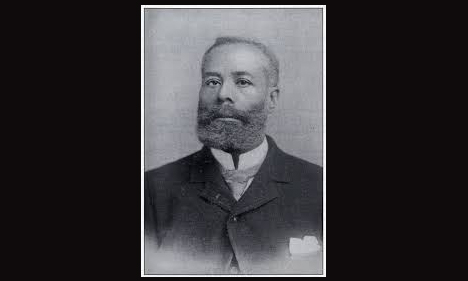
Alexander Miles. Duluth Public Library photo

During the late 19th century, elevators were constructed in a way that required a person to manually open and close its doors. Residential and commercial buildings often hired operators to perform this function.

The problem with this model was that sometimes people would forget to close the shaft doors. This led to many unfortunate accidents.

Alexander Miles (1838–1918) witnessed an open shaft door once. This concerned him as his young daughter, Alice (according to the 1860 census), was with him at the time. Thinking of her safety, Miles knew that the doors needed improving. He then went to work creating a mechanism that closed access to the shaft door while the elevator was in operation on other floors.

His design attached a flexible belt to the elevator cage. When it went over drums positioned at the appropriate spots above and below a floor, it automated the opening and closing of the doors with levers and rollers. In 1887, Miles, an African American inventor and businessman, was granted a patent on this mechanism, one that is still used in elevator design today.

Miles was born in Ohio, near a town called Circleville. His birth year has been recorded as “possibly January 1837” (others report May 1838), and no record exists confirming that he was ever a slave. He had no other siblings. His family relocated to Waukesha, Wis., in the late 1850s.  It was there that he began making a living as a barber.

He later met Candace Dunlap, a widowed mother of two. The couple married and, by 1863, relocated to Duluth, Minn. There, they had one daughter together. Miles continued his profession as a barber and began developing a line of hair care products that included Tunisian Hair Dressing.

The couple quickly prospered. They invested in real estate. Miles operated his barbershop in the upscale St. Louis Hotel, but the profession soon became an adult hobby.

He joined the Duluth Chamber of Commerce, becoming its first African American member; and became active in politics and fraternal organizations.

After just over two decades, Miles sold his real estate investments and relocated his family to Chicago. His business interests then grew, as he founded The United Brotherhood in order to sell life insurance policies to African Americans.

At that time, Blacks were regularly excluded from, if not flat out denied coverage. By age 50, Miles was at the top of his game and worth an estimated half-million dollars. His real estate, hair care business and inventions did well, and he was thought to be the wealthiest Black man in the Midwest during that time.

Later, after relocating to Seattle, it was believed he was the wealthiest Black person in the Pacific Northwest. But his debts would mount and his financial bubble would burst during the recession. Some 20 years later, Miles was broke, widowed, and working as a barber again. His residence was a Seattle rooming house. He died in 1918 and was inducted into the National Inventors Hall of Fame in 2007.

Source:  https://www.thoughtco.com/alexander-miles-improved-elevator-4071713
https://en.wikipedia.org/wiki/Alexander_Miles
https://www.invent.org/inductees/alexander-miles
Image:  https://commons.wikimedia.org/w/index.php?search=alexander+miles&title=Special%3ASearch&go=Go&ns0=1&ns6=1&ns12=1&ns14=1&ns100=1&ns106=1
Duluth Public Library – & Images of America – Duluth Minnesota – Sheldon T. Aubut author

Tamara Shiloh

Tamara Shiloh


About Tamara Shiloh


Tamara Shiloh has published the first two books in her historical fiction chapter book series, Just Imagine…What If There Were No Black People in the World is about African American inventors, scientists and other notable Black people in history. The two books are Jaxon’s Magical Adventure with Black Inventors and Scientists and Jaxon and Kevin’s Black History Trip Downtown. Tamara Shiloh has also written a book a picture book for Scholastic, Cameron Teaches Black History, that will be available in June, 2022.

Tamara Shiloh’s other writing experiences include: writing the Black History column for the Post Newspaper in the Bay area, Creator and Instruction of the black History Class for Educators a professional development class for teachers and her non-profit offers a free Black History literacy/STEM/Podcast class for kids 3d – 8th grade which also includes the Let’s Go Learn Reading and Essence and tutorial program.   She is also the owner of the Multicultural Bookstore and Gifts, in Richmond, California,

Previously in her early life she was the /Editor-in-Chief of Desert Diamonds Magazine, highlighting the accomplishments of minority women in Nevada; assisting with the creation, design and writing of a Los Angeles-based, herbal magazine entitled Herbal Essence; editorial contribution to Homes of Color; Editor-in-Chief of Black Insight Magazine, the first digital, interactive magazine for African Americans; profile creations for sports figures on the now defunct PublicFigure.com; newsletters for various businesses and organizations; and her own Las Vegas community newsletter, Tween Time News, a monthly publication highlighting music entertainment in the various venues of Las Vegas.

She is a member of:

  • Society of Children’s Book Writers and Illustrators (SCBWI)

  • Richmond Chamber of Commerce

  • Point Richmond Business Association

  • National Association of Professional Women (NAPW)

  • Independent Book Publishers Association (IPBA)

  • California Writers Club-Berkeley & Marin

  • Richmond CA Kiwanis

  • Richmond CA Rotary

  • Bay Area Girls Club


Tamara Shiloh, a native of Northern California, has two adult children, one grandson and four great-grand sons. She resides in Point Richmond, CA with her husband, Ernest.

www.multiculturalbookstore.com

About Tamara Shiloh

Tamara Shiloh has published the first two books in her historical fiction chapter book series, Just Imagine…What If There Were No Black People in the World is about African American inventors, scientists and other notable Black people in history. The two books are Jaxon’s Magical Adventure with Black Inventors and Scientists and Jaxon and Kevin’s Black History Trip Downtown. Tamara Shiloh has also written a book a picture book for Scholastic, Cameron Teaches Black History, that will be available in June, 2022. Tamara Shiloh’s other writing experiences include: writing the Black History column for the Post Newspaper in the Bay area, Creator and Instruction of the black History Class for Educators a professional development class for teachers and her non-profit offers a free Black History literacy/STEM/Podcast class for kids 3d – 8th grade which also includes the Let’s Go Learn Reading and Essence and tutorial program.   She is also the owner of the Multicultural Bookstore and Gifts, in Richmond, California, Previously in her early life she was the /Editor-in-Chief of Desert Diamonds Magazine, highlighting the accomplishments of minority women in Nevada; assisting with the creation, design and writing of a Los Angeles-based, herbal magazine entitled Herbal Essence; editorial contribution to Homes of Color; Editor-in-Chief of Black Insight Magazine, the first digital, interactive magazine for African Americans; profile creations for sports figures on the now defunct PublicFigure.com; newsletters for various businesses and organizations; and her own Las Vegas community newsletter, Tween Time News, a monthly publication highlighting music entertainment in the various venues of Las Vegas. She is a member of:
  • Society of Children’s Book Writers and Illustrators (SCBWI)
  • Richmond Chamber of Commerce
  • Point Richmond Business Association
  • National Association of Professional Women (NAPW)
  • Independent Book Publishers Association (IPBA)
  • California Writers Club-Berkeley & Marin
  • Richmond CA Kiwanis
  • Richmond CA Rotary
  • Bay Area Girls Club
Tamara Shiloh, a native of Northern California, has two adult children, one grandson and four great-grand sons. She resides in Point Richmond, CA with her husband, Ernest. www.multiculturalbookstore.com

Continue Reading
Click to comment

Leave a Reply

Your email address will not be published. Required fields are marked *

Activism

Oakland Post: Week of March 18 – 24, 2026

The printed Weekly Edition of the Oakland Post: Week of March 18 – 24, 2026

Published

on

To enlarge your view of this issue, use the slider, magnifying glass icon or full page icon in the lower right corner of the browser window.

Continue Reading

Advice

Financial Wellness and Mental Health: Managing Money Stress in College 

While everyone’s financial situation is unique, several common sources of stress have the potential to strain your financial health. These include financial and economic uncertainty, existing debts, unexpected expenses, and mental or physical health changes. Financial stress may differ from situation to situation, but understanding the factors contributing to yours may help you begin to craft a plan for your unique circumstances. 

Published

on

Sponsored by JPMorganChase

As a college student, managing financial responsibilities can be stressful.

If you’ve found yourself staying up late thinking about your finances or just feeling anxious overall about your financial future, you’re not alone. In one survey, 78% of college students who reported financial stress had negative impacts on their mental health, and 59% considered dropping out. While finances can impact overall stress, taking steps to manage your finances can support your mental, emotional and physical well-being.

When it comes to money, the sources of stress may look different for each student, but identifying the underlying causes and setting goals accordingly may help you feel more confident about your financial future.

Consider these strategies to help improve your financial wellness and reduce stress.

Understand what causes financial stress

While everyone’s financial situation is unique, several common sources of stress have the potential to strain your financial health. These include financial and economic uncertainty, existing debts, unexpected expenses, and mental or physical health changes. Financial stress may differ from situation to situation, but understanding the factors contributing to yours may help you begin to craft a plan for your unique circumstances.

2. Determine your financial priorities

Start by reflecting on your financial priorities. For students this often includes paying for school or paying off student loans, studying abroad, saving for spring break, building an emergency fund, paying down credit card debt or buying a car. Name the milestones that are most important to you, and plan accordingly.

3. Create a plan and stick to it

While setting actionable goals starts you on the journey to better financial health, it’s essential to craft a plan to follow through. Identifying and committing to a savings plan may give you a greater sense of control over your finances, which may help reduce your stress. Creating and sticking to a budget allows you to better track where your money is going so you may spend less and save more.

4. Pay down debt

Many students have some form of debt and want to make progress toward reducing their debt obligations. One option is the debt avalanche method, which focuses on paying off your debt with the highest interest rate first, then moving on to the debt with the next-highest interest rate. Another is the debt snowball method, which builds momentum by paying off your smallest debt balance, and then working your way up to the largest amounts.

5. Build your financial resilience

Some financial stress may be inevitable, but building financial resilience may allow you to overcome obstacles more easily. The more you learn about managing your money, for instance, the more prepared you’ll feel if the unexpected happens. Growing your emergency savings also may increase resilience since you’ll be more financially prepared to cover unexpected expenses or pay your living expenses.

6. Seek help and support 

Many colleges have resources to help students experiencing financial stress, like financial literacy courses or funds that provide some assistance for students in need. Talk to your admissions counselor or advisor about your concerns, and they can direct you to sources of support. Your school’s counseling center can also be a great resource for mental health assistance if you’re struggling with financial stress.

The bottom line

Financial stress can affect college students’ health and wellbeing, but it doesn’t have to derail your dreams. Setting smart financial goals and developing simple plans to achieve them may help ease your stress. Revisit and adjust your plan as needed to ensure it continues to work for you, and seek additional support on campus as needed to help keep you on track.

 JPMorgan Chase Bank, N.A. Member FDIC

© 2026 JPMorgan Chase & Co.

Continue Reading

Activism

Oakland Post: Week of March 11 -17, 2026

The printed Weekly Edition of the Oakland Post: Week of March 11 – 17, 2026

Published

on

To enlarge your view of this issue, use the slider, magnifying glass icon or full page icon in the lower right corner of the browser window.

Continue Reading

Subscribe to receive news and updates from the Oakland Post

* indicates required

CHECK OUT THE LATEST ISSUE OF THE OAKLAND POST

ADVERTISEMENT

WORK FROM HOME

Home-based business with potential monthly income of $10K+ per month. A proven training system and website provided to maximize business effectiveness. Perfect job to earn side and primary income. Contact Lynne for more details: Lynne4npusa@gmail.com 800-334-0540

Facebook

#NNPA BlackPress1 month ago

Reflecting on Black History Milestones in Birmingham AL

Bay Area1 month ago

CITY OF SAN LEANDRO STATE OF CALIFORNIA PUBLIC WORKS DEPARTMENT ENGINEERING DIVISION NOTICE TO BIDDERS FOR ANNUAL STREET OVERLAY/REHABILITATION 2019-21 – PHASE III

Activism1 month ago

Oakland Post: Week of February 18 – 24, 2026

Activism1 month ago

Oakland Post: Week of February 25 – March 3, 2026

#NNPA BlackPress1 month ago

PRESS ROOM: NBA Hall of Fame Nominee Terry Cummings Joins 100 Black Men of DeKalb County to Launch Victory & Values Initiative

#NNPA BlackPress1 month ago

Trump’s MAGA Allies are Creating Executive Order Plan to Steal the 2026 Midterms

Activism4 weeks ago

Oakland Post: Week of March 4 – 10, 2026

Bay Area entrepreneurs attend the Alley-Oop Accelerator, a small business incubation program at Chase Oakland Community Center. Photo by Carla Thomas.
Activism1 month ago

Chase Oakland Community Center Hosts Alley-Oop Accelerator Building Community and Opportunity for Bay Area Entrepreneurs

#NNPA BlackPress1 month ago

U.S. manufacturing rebounds – how foundry services are adapting to rising demand

#NNPA BlackPress1 month ago

Poll Shows Support for Policies That Help Families Afford Child Care

#NNPA BlackPress1 month ago

OP-ED: One Hundred Years of Black Workers Telling the Truth

#NNPA BlackPress1 month ago

Advancements in solar technology that are changing the way we power the world

#NNPA BlackPress4 weeks ago

Woman’s Search for Family’s Roots Leads to Ancestor John T. Ward – A Successful Entrepreneur and Conductor on the Underground Railroad

Activism3 weeks ago

Oakland Post: Week of March 11 -17, 2026

#NNPA BlackPress1 month ago

PRESS ROOM: Civil Rights TV Launches in Selma as the World’s First 24/7 Civil Rights Television Network

Trending

Copyright ©2021 Post News Group, Inc. All Rights Reserved.