
Bay Area
Mayor Breed Announces Investments to Support Small Business Recovery in San Francisco’s Economic Core
“While San Francisco is bouncing back from this pandemic, we continue to see major shifts in our city, and we see that in our Economic Core more than anywhere else,” said Breed. “I’ve been visiting businesses large and small, and while it’s clear we are all committed to adapting and thriving as part of our long-term recovery, our small businesses in these downtown areas cannot wait any longer. They need all of us dedicating our energy and resources to help them in the short-term, as we continue to do the work to get our city back on track.”

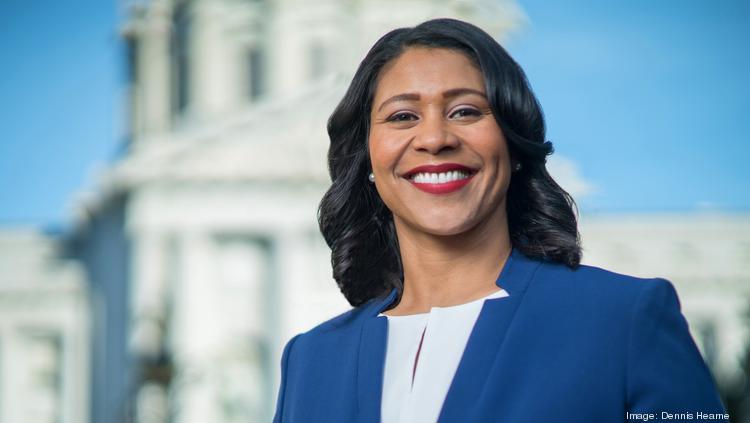
From Mayor’s Office
Mayor London N. Breed announced Tuesday $47.9 million in new funding to support the economic recovery of the City’s Economic Core that will be part of her proposed budget.
This will include new direct support for small businesses, as well as new events, activations, and public space improvements to support areas that rely on workers, tourists, and other visitors.
The funding proposal will also continue the City’s existing Ambassador programs located in areas like Mid-Market, Union Square, Downtown, South of Market, and along the Embarcadero.
These resources are aimed primarily at funding initiatives that directly support and drive foot traffic to the small businesses in San Francisco’s Economic Core, which includes Downtown, South of Market, Union Square, Civic Center, Yerba Buena, and Mission Bay.
These areas continue to experience ongoing and significant disruptions to the employee and tourist-based foot traffic that they relied on prior to the pandemic.
“While San Francisco is bouncing back from this pandemic, we continue to see major shifts in our city, and we see that in our Economic Core more than anywhere else,” said Breed. “I’ve been visiting businesses large and small, and while it’s clear we are all committed to adapting and thriving as part of our long-term recovery, our small businesses in these downtown areas cannot wait any longer. They need all of us dedicating our energy and resources to help them in the short-term, as we continue to do the work to get our city back on track.”
The Mayor’s Budget proposal includes:
- $10 million for direct grants and loans aimed at helping small businesses launch, stabilize, scale up and adapt business models. New funding will expand programs to serve businesses throughout the City, including businesses within the Economic Core.
- $10.5 million over the two years for the City Core Recovery Fund to support events, public space and ground floor activations, as well as a city-wide marketing campaign. This funding is envisioned to support community driven efforts to beautify, improve, and activate public spaces and ground floor vacancies throughout the Economic Core.
- $25.4 million over the next two years to continue the Mid-Market/Tenderloin Community-Based Safety Program, which provides community ambassadors who are focused on creating more welcoming, clean, and vibrant environments for residents, workers, and visitors in the areas around the Tenderloin, Civic Center, and Market Street.
- $2 million for SF Welcome Ambassadors and Retired Police Community Ambassadors stationed in key transit and tourist nodes such as Downtown BART stations, Union Square, Moscone Convention Center, and along the Embarcadero.
These funds will maintain the City’s current investment and will allow for a consistent and visible safety presence as well as proactive positive engagement and friendly assistance in wayfinding, making referrals and recommendations, and coordinating with other City departments and community-based efforts to support positive street conditions and experiences by business owners, employees, residents, and visitors alike.
The specific programming and initiatives created through this funding will be informed by convening key representatives of the industries, businesses, community groups, and other stakeholders in the Economic Core to understand and respond to the immediate needs and challenges those on the ground are experiencing, and to adopt and scale the solutions they are developing.
“San Francisco small businesses are the cornerstone of our economic recovery. Through the leadership of Mayor Breed, these proposed investments are practical solutions that will help bring customers and visitors back into our Economic Core which comprises over 40% of our small businesses,” said Kate Sofis, executive director of the Office of Economic and Workforce Development. “As the dynamic continues to change and shift on the ground, we want to ensure we stabilize our small businesses, including our local artists, musicians, and performers with new funding and programs that activate and create opportunities and a safe and welcoming space for everyone. When our small businesses thrive, our city thrives.”
Mayor Breed partnered with Advance SF to create the “Renewing San Francisco’s Economic Core Forum,” a facilitated conversation with a cross-section of stakeholders from the Economic Core including large and small businesses, arts groups, brokers and real estate representatives, hospitality and entertainment establishments, and community benefits districts, among others.
This group began a process to develop a shared vision for supporting the ongoing vibrance of the Economic Core in the post-pandemic economic context and identify immediate needs as well as mid- and long-term initiatives to explore.
Through ongoing dialogue and discussion and in coordination with a broad set of stakeholders, San Francisco will continue to advance strategies that leverage key assets of its Economic Core to support its continued vibrancy and preserve its role in supporting the region’s economic well-being.
“Over the last several months, Advance SF has worked with the Mayor’s Office to bring private and public sector partners together to develop strategies to restore our Economic Core,” said Larry Baer, Co-Chair of Advance SF. “Mayor Breed is laser-focused on San Francisco’s post-pandemic recovery and the budget released today sets a clear vision to immediately address our city’s most pressing economic challenges,” continued Lloyd Dean, Co-Chair of Advance SF.
Prior to the pandemic, 469,745 people commuted to San Francisco for work. According to the most recent report from the City Economist, offices are seeing just 35% of their workforce returning to the office. Additionally, the City averaged 1 million annual tourists prior to the pandemic, and SF Travel does not estimate a full tourism recovery until 2024.
The Mayor’s proposed budget prioritizes the urgent needs of the small consumer-facing businesses in the Economic Core. Over 42% of the City’s small businesses are in the Economic Core and pre-pandemic, this area generated more than 45% of the City’s sales tax. While sales tax indicates that almost all of San Francisco’s neighborhoods have recovered the vast majority of the economic activity they generated prior to the pandemic, San Francisco’s office and tourist districts, including the Financial District, East Cut, Yerba Buena, Union Square, Mid-Market and SOMA maintain deficits of 20% or more.
“The challenges facing small businesses in San Francisco’s Economic Core are immense,” said Andrew Chun, owner of Schroeder’s Bar and Restaurant at Front and California Street. “As the rest of the City continues its recovery from the pandemic, it’s easy for Downtown small businesses to feel abandoned. The Mayor’s new budget highlights the need to proactively invest in a revitalized economic core. We are excited to work with the Mayor and appreciate the efforts of the City and community partners to invest in Downtown’s future.”
“Bringing foot traffic and business to our restaurants and small businesses in our downtown Economic Core area is critical to the survival and vibrancy of San Francisco,” said Laurie Thomas, executive director of Golden Gate Restaurant Association. “We continue to work hard with our partner organizations, larger employers and the City to help drive customers to these businesses so they can keep their staff employed and help their businesses open. We thank the Mayor and her team for prioritizing these restaurants and businesses in her budget and look forward to a continued partnership. We can do this if we work together.”
“As an employer with a large employee presence, we see the strain that the pandemic has created for our small businesses. We have worked in partnership with the small business community to ensure that as our employees return to the office, we are maximizing their support of surrounding small businesses that depend on them. With investments such as the City Core Recovery efforts that Mayor Breed has proposed the City can scale efforts like what we piloted with Golden Gate Restaurant Association to the benefit of all,” said Rebecca Prozan, Director of West Coast Government Relations and Public Policy at Google.
“Bringing people back to downtown is an important budget priority for our city. San Francisco is famously a city of neighborhoods, but all of us rely on the economic activity of the central business core of the City and its daily commuters and visitors,” said Andrew Robinson, Executive Director of the East Cut Community Benefits District. “The downtown is our economic engine; the small businesses, all the neighborhood corridors, all of the investments we make to keep our neighborhoods thriving rely on the health and vitality of our city’s core. The vitality of downtown is critical to our recovery—it is where people from across the City and region come to work, where tourists first set foot in our city, and where innovation thrives.”
“We’re optimistic about the recovery of downtown San Francisco and the cultural heart of Yerba Buena,” said Yerba Buena Community Benefit District Executive Director Cathy Maupin. “The clear uptick in tourism, conventions and hotel occupancy is bringing more and more people to the area to patronize small businesses, restaurants and cultural institutions. With the continued support and partnership of Mayor Breed and the City, we’re confident that this momentum and vibrancy will be sustainable.”
“Investing in the Economic Core of our city is essential to our overall recovery strategy,” said Joe D’Alessandro, President and CEO of San Francisco Travel Association. “The return on that investment will ensure that our small businesses can thrive as we once again welcome back business and leisure visitors to downtown and core neighborhoods reliant on tourism. It will also ensure that we can continue to bring back good jobs in the tourism and hospitality sector. Before the pandemic tourism supported more than 86,000 jobs in San Francisco compared to just over 27,000 in 2021.”
“Reimagining Downtown San Francisco is pivotal to the entire City’s vitality and Economic Core in this post-lockdown era. Yes, our world will look different as workers and companies adapt to a new reality. But as always, San Francisco will embrace this and be a catalyst for change with intentional evolution. We’ve always been a city on the cutting edge of progress and the past two years will not undo that forward-thinking precedent. Creating new public spaces, incubating small businesses, and giving arts and culture a new stage will be the backbone of our reimagined economy in Downtown SF,” said Robbie Silver, Executive Director of the Downtown Community Benefit District.
“Small businesses make our merchant corridors the unique and vibrant streets that we all love,” said Rodney Fong, president and CEO of the San Francisco Chamber of Commerce. “This investment from Mayor Breed celebrates those businesses and will help to return San Francisco’s Economic Core to the lively form it once held.”
“Mid-Market has been an abandoned landscape of vacant storefronts, drug dealing, and street crime for the past few years,” said Kash, the owner of Warm Planet Bikes at Market and McAllister. “The improved conditions of having Urban Alchemy on my block has been like night and day. More important, every practitioner I’ve talked with either has a second job or has a plan to transition to a stable career. This forward-thinking attitude is fundamental to the long-term success for the program and for the individuals moving through it and I strongly support that goal.”








Activism
Oakland Post: Week of March 18 – 24, 2026
The printed Weekly Edition of the Oakland Post: Week of March 18 – 24, 2026
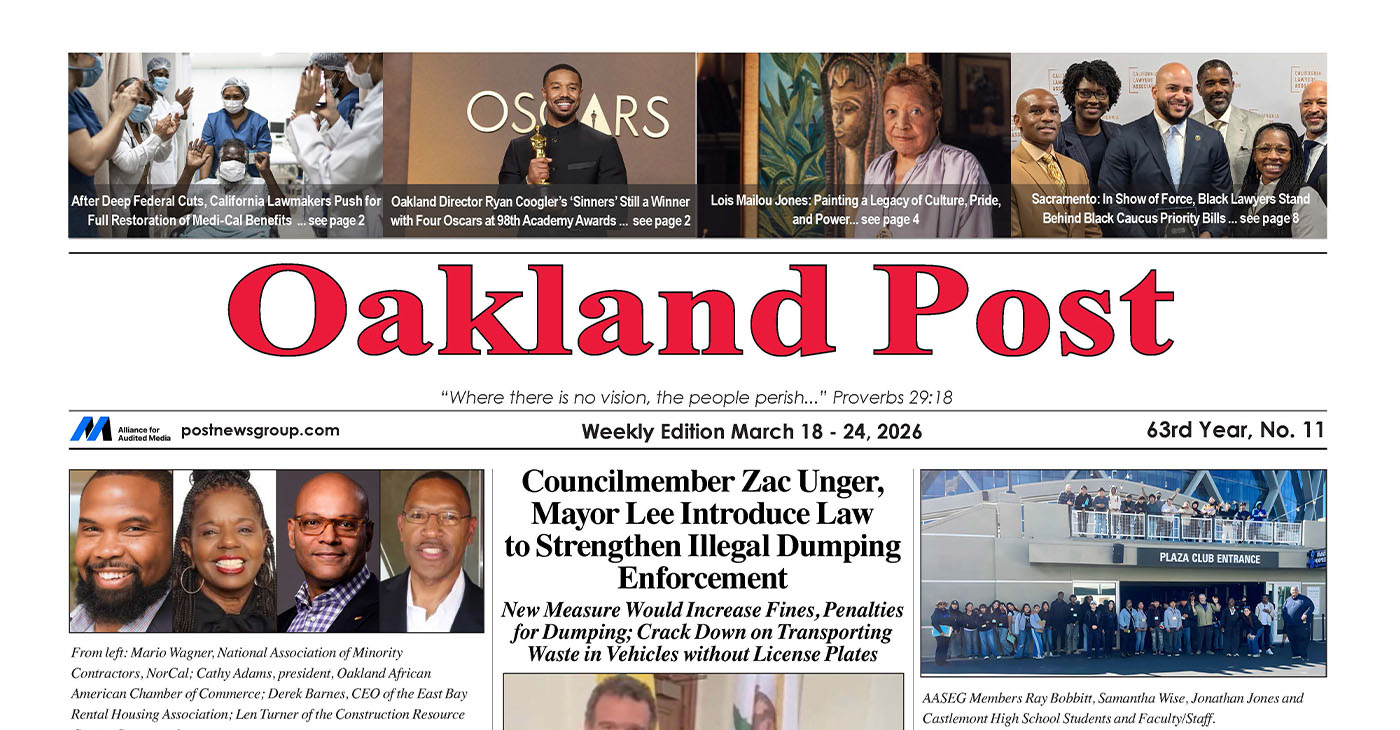
To enlarge your view of this issue, use the slider, magnifying glass icon or full page icon in the lower right corner of the browser window.
Activism
Oakland Post: Week of March 11 -17, 2026
The printed Weekly Edition of the Oakland Post: Week of March 11 – 17, 2026
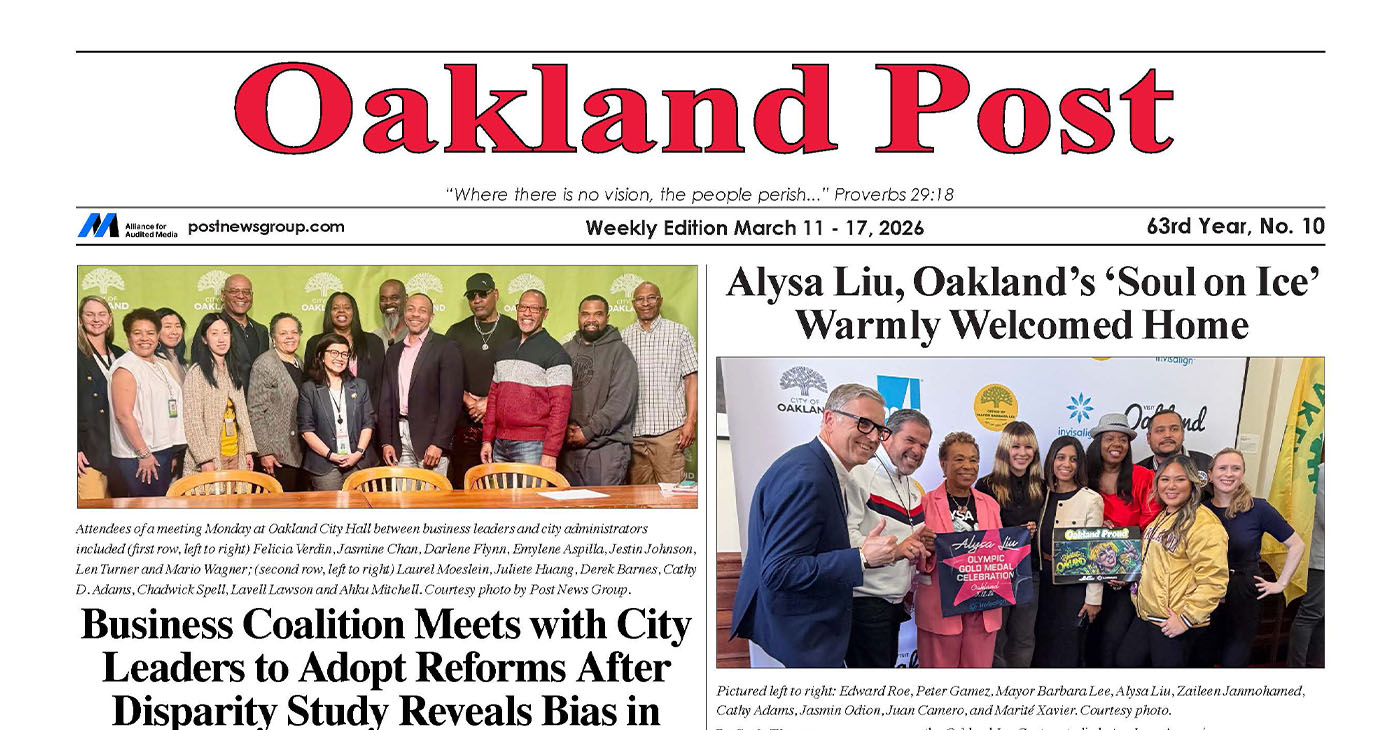
To enlarge your view of this issue, use the slider, magnifying glass icon or full page icon in the lower right corner of the browser window.
Activism
Oakland Post: Week of March 4 – 10, 2026
The printed Weekly Edition of the Oakland Post: Week of March 4 – 10, 2026
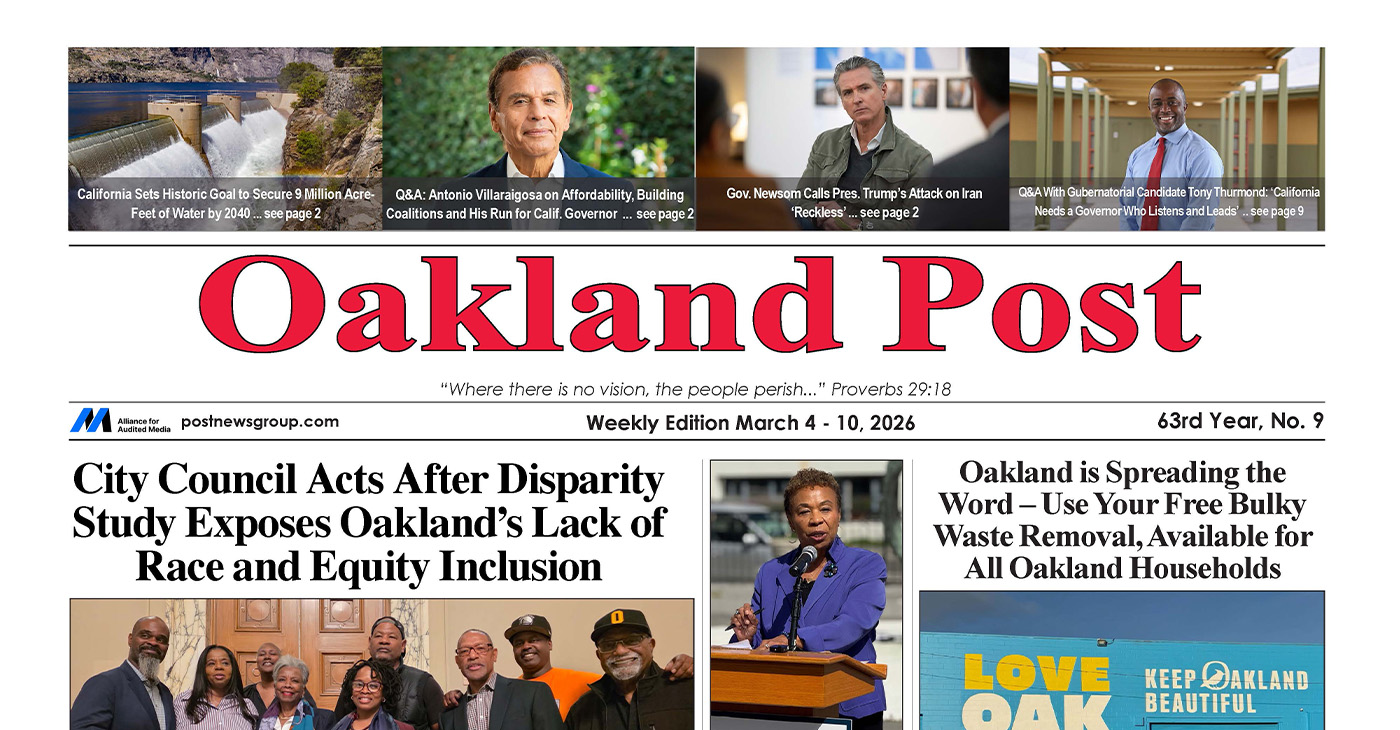
To enlarge your view of this issue, use the slider, magnifying glass icon or full page icon in the lower right corner of the browser window.
WORK FROM HOME
Home-based business with potential monthly income of $10K+ per month. A proven training system and website provided to maximize business effectiveness. Perfect job to earn side and primary income. Contact Lynne for more details: Lynne4npusa@gmail.com 800-334-0540


Black Artists in America, Installation Three Wraps at the Dixon Gallery and Gardens

Grief, Advocacy, and Education: A Counselor Reflects on Black Maternal Health

Future of Florida’s Black History Museum in Limbo

New Research Shows the Many Benefits of Early Learning

South Hampton K-8 Students Among Top 10 Finalists for Samsung’s ‘Solve for Tomorrow’ Competition

Cuba: No Negotiation with US on the President or Political System

Brooklyn Academy of Music Names Jamaican-Born Tamara McCaw as President

Trinidad & Tobego – U.S. Launches WhatsApp Channel for American Citizens in the Country

Oakland Post: Week of March 18 – 24, 2026

AI Innovation vs. Ethics and Environmental Impact

AI, Web3, and Digital Reparations

What If You Owned Your AI Agent?

Season 7, Episode 3 – January Reporter’s Roundtable 📱

Season 7, Episode 3 – January Reporter’s Roundtable

AI, Media, and Power | Part 2, Real-World Impacts and Tradeoffs

Reflecting on Black History Milestones in Birmingham AL

CITY OF SAN LEANDRO STATE OF CALIFORNIA PUBLIC WORKS DEPARTMENT ENGINEERING DIVISION NOTICE TO BIDDERS FOR ANNUAL STREET OVERLAY/REHABILITATION 2019-21 – PHASE III

Oakland Post: Week of February 18 – 24, 2026

Oakland Post: Week of February 25 – March 3, 2026

PRESS ROOM: NBA Hall of Fame Nominee Terry Cummings Joins 100 Black Men of DeKalb County to Launch Victory & Values Initiative

Trump’s MAGA Allies are Creating Executive Order Plan to Steal the 2026 Midterms

Oakland Post: Week of March 4 – 10, 2026

Chase Oakland Community Center Hosts Alley-Oop Accelerator Building Community and Opportunity for Bay Area Entrepreneurs

U.S. manufacturing rebounds – how foundry services are adapting to rising demand

Poll Shows Support for Policies That Help Families Afford Child Care

OP-ED: One Hundred Years of Black Workers Telling the Truth

Advancements in solar technology that are changing the way we power the world

Woman’s Search for Family’s Roots Leads to Ancestor John T. Ward – A Successful Entrepreneur and Conductor on the Underground Railroad

Oakland Post: Week of March 11 -17, 2026

COMMENTARY: Women of Color Shape Our Past and Future

Hyundai Ioniq 5 Parking, Safety, and 360 View #shorts

2025 Ioniq 5 New Wiper & Powerful Performance! #shorts

Electric SUV Range: Is 259 Miles Enough? #shorts

EV Charging: How Fast Can You Charge an Electric Vehicle? #shorts

Biometric Cooling… Messaging Seats…Come on! 2025 Infiniti QX80 Autograph 4WD

Charged Up: Witness the Magic of a Fully Electric Car! #shorts

Range Rover Sport PHEV Included…: See What’s Inside This Luxury SUV! #shorts

Invisible Hood View: Perfect Parking with X-Ray Vision! #shorts

AI Is Reshaping Black Healthcare: Promise, Peril, and the Push for Improved Results in California

ESSAY: Technology and Medicine, a Primary Care Point of View

Sanctuary Cities

The RESISTANCE – FREEDOM NOW

STATE OF THE PEOPLE: Freddie

ECONOMIC BOYCOTT DAY!!!!!

I told You So

-
 Activism4 weeks ago
Oakland Post: Week of March 4 – 10, 2026
-
 #NNPA BlackPress4 weeks ago
Woman’s Search for Family’s Roots Leads to Ancestor John T. Ward – A Successful Entrepreneur and Conductor on the Underground Railroad
-
 Activism3 weeks ago
Oakland Post: Week of March 11 -17, 2026
-
 #NNPA BlackPress4 weeks ago
COMMENTARY: Women of Color Shape Our Past and Future
-

 #NNPA BlackPress4 weeks ago
Advocates Raise Alarm Over ICE Operation, MOU and Detention Risks in Baltimore County
-

 Advice3 weeks ago
Financial Wellness and Mental Health: Managing Money Stress in College
-

 #NNPA BlackPress4 weeks ago
Pete Buttigieg to Join Mayor Randall Woodfin for Community Town Hall in Birmingham
-
 Activism2 weeks ago
Oakland Post: Week of March 18 – 24, 2026
