
Politics
NFL Draft Week: How Does it Impact Black Chicago?


Tampa Bay Buccaneers fans cheer after the Buccaneers selects Florida State quarterback Jameis Winston as the first pick in the first round of the 2015 NFL Draft, Thursday, April 30, 2015, in Chicago. (AP Photo/Paul Beaty)
by Mary L. Datcher
Special to the NNPA from the Chicago Defender
The prospect of a child developing his or her talent and potential is the dream of most parents. It is the glue that can hold not only a household together, but also a community. In African-American history, the dreams of many young Black youth center on athletics and entertainment. The goals of achieving fame in athletics or entertainment often overshadows dreams about other important professions such as becoming a teacher, an attorney, a physician, an engineer or a sports agent. Many of these professions lay the foundation for building a solid base.
The estimated revenue of the NFL Players’ Association is $327 million; however, in real numbers, overall among the 32 league teams, the combined total is an estimated $10 billion dollars. Players’ salaries can range from the minimum of $400,000 to over $22 million driving the league to produce much more revenue than the other professional athletic associations. Often, young men become overnight millionaires, catapulting their careers and lifestyles in a world that is inaccessible to their peers.
This week, Chicago will host for the NFL Draft week festivities. The city hasn’t had this honor since the 1964 draft was held here. Back in the day, the draft was a simple 24-hour process between rival team owners selecting collegiate stars for their team rosters. Now, it has become a major week-long production that rivals the same media production as Super Bowl but without the quirky, high priced commercials and half-time fanfare. How does the local economy benefit outside of the hospitality industry centralized in the immediate downtown and Michigan Avenue shopping district? The better question is how does the business economy benefit in the same communities that some of the Black athletes are from?
This major task of solidifying the tourism and attraction business is led by Choose Chicago, the nonprofit organization that is responsible for raising funds and private donations under the close management of the City of Chicago. Chicago Defender reached out to Choose Chicago to request an estimated dollar amount that is projected from the NFL Draft week festivities going to local businesses and the hospitality industry, but the request has gone unanswered. Since the Defender couldn’t nail down any projections on ROI (return of investment) from them, the next concern is how does this event benefit the young Black student players from the inner-city community?
In negotiation with the NFL Association, one of the main attractions was the city’s eagerness to offer up parkland to build ‘Draft Town’ – the beautifully decorated tent housing situated on prime property in Grant Park. This location is a wonderful way for the public to connect to the activities surrounding draft week and it’s free for those who attend. There are youth clinics that have invited key youth football programs and their top young players to participate, but how many of these camps are based in the inner-city versus suburban area camps?
Chicago Jokers Football Camp is a program that has groomed young players from ages 8-14 years old for the past 14 years on the West Side. The program is run by Eric McClendon, affectionately known as Coach Mac, who utilizes the St. Lutheran Church gym every Saturday for the Spring and Summer camp schedule. With close to 100 students in the football camp, he makes sure his players are treated with just as much respect and priority as more high profile youth football camps.
“You have your suburban Blacks and you have Black people based in the city. The majority of the professional athletes are from the suburbs. They really won’t go to the city areas or the agents won’t allow them to pursue the inner city programs. If there is someone who can reach out to the professional athletes or to the NFL to let the players know about the inner city kids, it would benefit players and the parents. Even though the kids are from the inner city, they do look up to the professional ball players,” said McClendon.
There hasn’t been much of an outreach initiative from the NFL Association or the City of Chicago to involve inner city football camps such as the Chicago Jokers. With basketball being the focus and direction to help curve some of the violence that has plagued Black communities, football can sometimes take a backseat. Coach McClendon feels that some of the city’s best young high school basketball players had their initial athletic beginnings playing in youth football camps.
Coach McClendon explains, “A lot of our kids play basketball when they move on to high school. The number one high school basketball player last year was Cliff Alexander from Curie High School. He was one of our lineman on offense and defense when he played for us.”
Demetrius Lewis, a parent and athletic director of a South Suburban program, takes a similar approach to working with the players in his program. He started out coaching his son’s team when his son was four years old and took a committed role for the next eight years. Now his son attends Mt. Carmel High School, ranks as one of the top high school football players in Illinois and recently was inducted in the National Honor Society with a 4.0 GPA. Although, he feels the high schools and camps are there for young players, it is ultimately the responsibility of the parents to assist their talented kids with the challenges of facing key business decisions because those decisions will follow them into the hustle of the NFL.
“The role models have to be in the household and we need to educate ourselves– especially in the Black communities. A lot of minorities are behind the eight ball because we really don’t know. Outstanding athletes have scholarship offers all day, but their ACT scores are barely 15 or 16. They don’t know how important it is. They don’t realize they can take the test more than once. They have ACT prep programs out there, but instead they are buying Air Jordans. They can put the monies into an ACT prep program for the same price,” said Lewis.
Many in the business feel that although the NFL draft makes up a high percentage of African American collegiate athletes, it is the responsibility of the NFL Association and the City of Chicago to coordinate community outreach to the football youth camps and inner city programs. Many of the draft hopefuls will be in town from all of over the country for a few days and after a short break, they will soon be adjusting to their new home teams.
No one understands this process better than sports agent Tory Dandy of Relativity Sports which represents both professional and collegiate draft picks. One of his professional clients includes Chicago Bears wide receiver Alshon Jeffrey.
“I hold myself accountable in regards to doing the business with not only the client but anybody who is considered in his inner circle – that is knowledgeable about the NFL draft process. Knowledgeable about the business side of the NFL, the financial side and the blessings of what it brings. I believe in reaching further in-depth about being aware of what’s going on,” explains Dandy.
Dandy has steadily become one of the leading NFL sports agents representing seven NFL draftees in this week’s ceremonies, including #7 ranked Kevin White (West Virginia), #27 ranked Eddie Goldman (Florida State), #30 ranked Ronald Darby (Florida State), #34 ranked Nelson Agholor (Southern California), #84 ranked Paul Dawson (Texas Christian University), #116 ranked Jamison Crowder and #121 ranked Mike Davis (South Carolina); according to CBS Sports the latest draft prospects.
Being one of the few African American agents in the field, Dandy makes no secret that his mentors include sports agent veteran, Eugene Parker.
Dandy adds, “We want to empower them, we want to give them the information and resources to truly make informed business decisions. Our philosophy is a lot different from others in this industry.”
The lives of the young collegiate players that Dandy represents will change before they depart Chicago with the weight on their shoulders to do their best for their new team and for those they are depending on to make them successful. Many of them will not know that approximately 1.5 miles west of the NFL “Draft Town” and 2.5 miles west of the structure are African American communities that will not have the opportunity to celebrate in their achievements.
The City of Chicago and Choose Chicago won’t reveal the amount of expenses involved in bringing the NFL Draft to town or how it will impact the revenue streams. Choose Chicago and the Chicago Sports Commission had to raise between $3 to 4 million to complete commitments to covering the demands that the league has requested. They have made assurances that Chicago taxpayers will not be burdened with the week-long production.
The Mayor’s efforts to secure high profile events such as the NFL Draft week for the beautiful City of Chicago are to be commended, but Black communities and other neighboring communities would also like to feel the unique economic benefits that downtown businesses will experience. When the opportunity arises to secure the NFL Association for the following year’s Draft Week, the “ROI or return on investment” should also include the African American communities from which many of the young players have come.










Activism
Oakland Post: Week of December 31, 2025 – January 6, 2026
The printed Weekly Edition of the Oakland Post: Week of – December 31, 2025 – January 6, 2026

To enlarge your view of this issue, use the slider, magnifying glass icon or full page icon in the lower right corner of the browser window.
Activism
2025 in Review: Seven Questions for Assemblymember Lori Wilson — Advocate for Equity, the Environment, and More
Her rise has also included several historic firsts: she is the only Black woman ever appointed to lead the influential Assembly Transportation Committee, and the first freshman legislator elected Chair of the California Legislative Black Caucus. She has also been a vocal advocate for vulnerable communities, becoming the first California legislator to publicly discuss being the parent of a transgender child — an act of visibility that has helped advanced representation at a time when political tensions related to social issues and culture have intensified.
By Edward Henderson, California Black Media
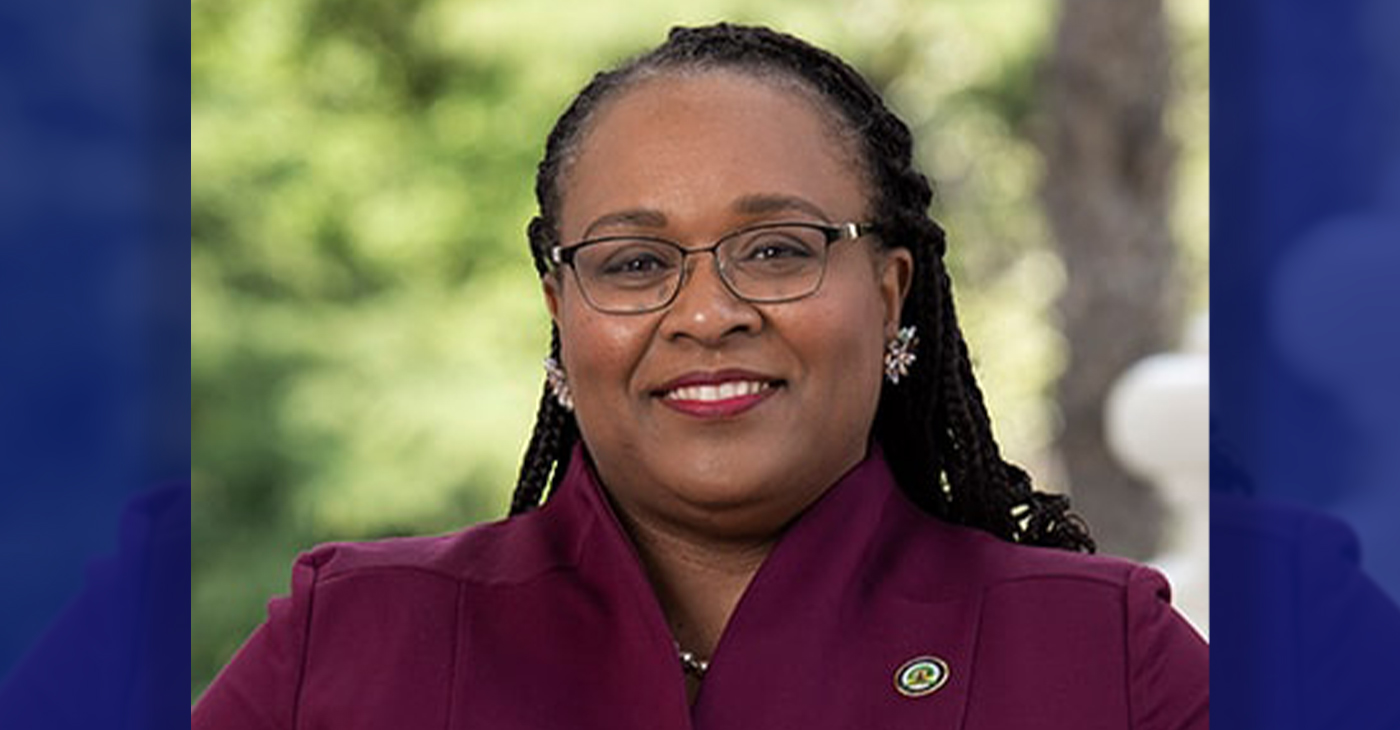
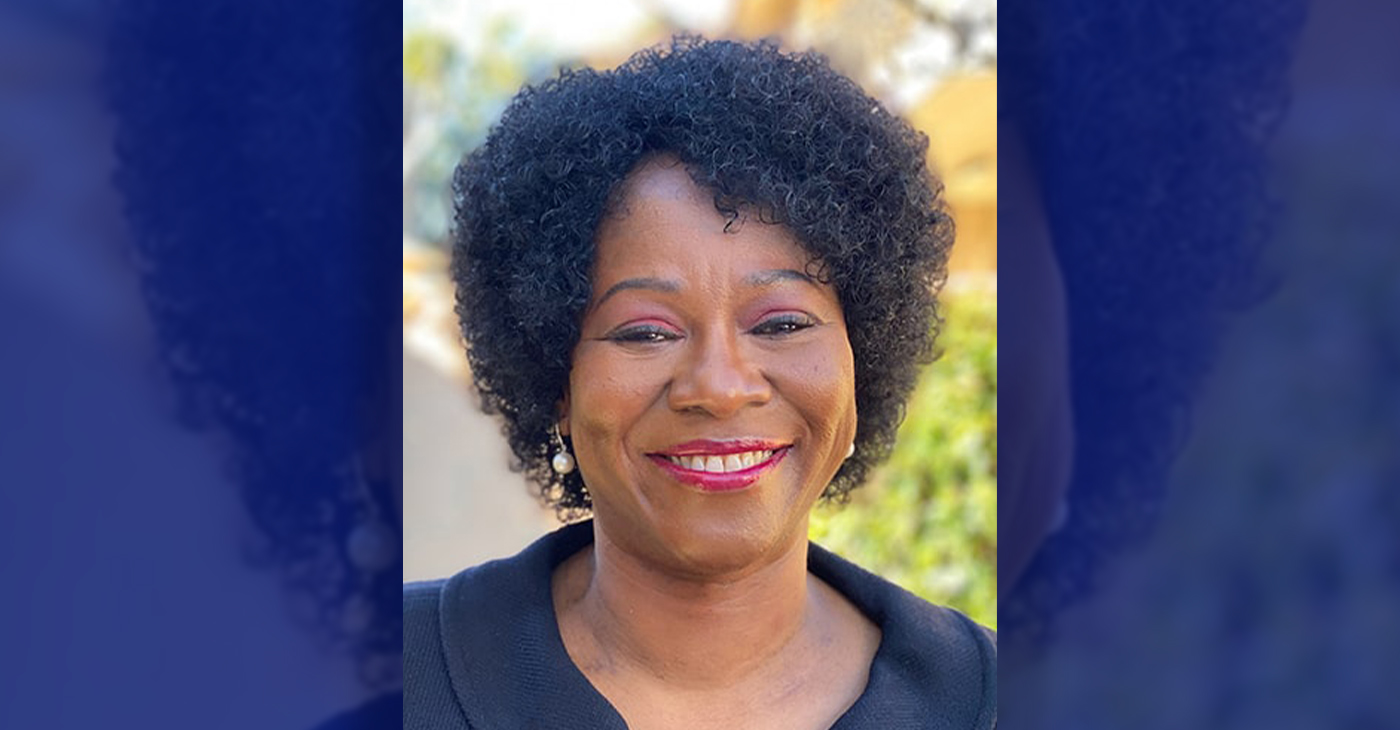
Assemblymember Lori D. Wilson (D-Suisun City) joined the California Legislature in 2022 after making history as Solano County’s first Black female mayor, bringing with her a track record of fiscal discipline, community investment, and inclusive leadership.
She represents the state’s 11th Assembly District, which spans Solano County and portions of Contra Costa and Sacramento Counties.
Her rise has also included several historic firsts: she is the only Black woman ever appointed to lead the influential Assembly Transportation Committee, and the first freshman legislator elected Chair of the California Legislative Black Caucus. She has also been a vocal advocate for vulnerable communities, becoming the first California legislator to publicly discuss being the parent of a transgender child — an act of visibility that has helped advanced representation at a time when political tensions related to social issues and culture have intensified.
California Black Media spoke with Wilson about her successes and disappointments this year and her outlook for 2026.
What stands out as your most important achievement this year?
Getting SB 237 passed in the Assembly. I had the opportunity to co-lead a diverse workgroup of colleagues, spanning a wide range of ideological perspectives on environmental issues.
How did your leadership contribute to improving the lives of Black Californians this year?
The Black Caucus concentrated on the Road to Repair package and prioritized passing a crucial bill that remained incomplete during my time as chair, which establishes a process for identifying descendants of enslaved people for benefit eligibility.
What frustrated you the most this year?
The lack of progress made on getting Prop 4 funds allocated to socially disadvantaged farmers. This delay has real consequences. These farmers have been waiting for essential support that was promised. Watching the process stall, despite the clear need and clear intent of the voters, has been deeply frustrating and reinforces how much work remains to make our systems more responsive and equitable.
What inspired you the most this year?
The resilience of Californians persists despite the unprecedented attacks from the federal government. Watching people stay engaged, hopeful, and determined reminded me why this work matters and why we must continue to protect the rights of every community in our state.
What is one lesson you learned this year that will inform your decision-making next year?
As a legislator, I have the authority to demand answers to my questions — and accept nothing less. That clarity has strengthened my approach to oversight and accountability.
In one word, what is the biggest challenge Black Californians are facing currently?
Affordability and access to quality educational opportunities.
What is the goal you want to achieve most in 2026?
Advance my legislative agenda despite a complex budget environment. The needs across our communities are real, and even in a tight fiscal year, I’m committed to moving forward policies that strengthen safety, expand opportunity, and improve quality of life for the people I represent.
Activism
2025 in Review: Seven Questions for Assemblymember Tina McKinnor, Champion of Reparations, Housing and Workers’ Rights
In 2025, McKinnor pushed forward legislation on renters’ protections, re-entry programs, reparations legislation, and efforts to support Inglewood Unified School District. She spoke with California Black Media about the past year and her work. Here are her responses.
By Joe W. Bowers Jr., California Black Media
Assemblymember Tina McKinnor (D-Inglewood) represents
California’s 61st Assembly District.
As a member of the California Legislative Black Caucus (CLBC),
McKinnor was elected in 2022. She chairs the Los Angeles County Legislative Delegation and leads the Assembly Public Employment and Retirement Committee. McKinnor also served as a civic engagement director, managed political campaigns, and worked as chief of staff for former Assemblymembers Steven Bradford and Autumn Burke.
In 2025, McKinnor pushed forward legislation on renters’ protections, re-entry programs, reparations legislation, and efforts to support Inglewood Unified School District. She spoke with California Black Media about the past year and her work. Here are her responses.
Looking back on 2025, what do you see as your biggest win?
Assembly Bill (AB) 628. If rent is $3,000, people should at least have a stove and a refrigerator. It’s ridiculous that people were renting without basic appliances.
I’m also proud that I was able to secure $8.4 million in the state budget for people coming home from incarceration. That includes the Homecoming Project, the menopause program for incarcerated women, and the Justice Leaders Program.
How did your leadership help make life better for Black Californians this year?
After the Eaton Fire, I pushed to get the same kind of support for affected areas that wealthier regions get after disasters.
I also did a lot of work building political power— establishing the Black Legacy PAC and California for All of Us PAC so we could support Black candidates and educate voters. We also called voters to make sure they understood Prop 50.
People need to understand this: there are only 12 Black legislators in the Capitol. Folks act like we can just walk in and pass reparations, but that’s not how it works.
What frustrated you most this year?
The governor did not have the political will to sign these bills: AB 57 and AB 62. They both passed overwhelmingly in the Assembly and the Senate. We did the work. The only person who didn’t have the political will to sign them was the governor.
The public needs to ask the governor why he didn’t sign the bills. We can’t keep letting people off the hook. He has to answer.
I also introduced AB 51 — the bill to eliminate interest payments on Inglewood Unified School District’s long-standing state loan — held in the Appropriations Committee. That was frustrating,
What inspired you most in 2025?
The civil rights trip to Alabama was life changing. We visited the Legacy Museum and the National Memorial for Peace and Justice. We took members of the Black, Latino, Jewish, and API caucuses with us. It changed all of us.
People aren’t always against us — they just don’t know our history.
What’s one lesson from 2025 that will shape how you approach decisions next year?
The legislative trip to Norway taught me that collaboration matters. Government, labor, and industry sit down together there. They don’t make villains. Everybody doesn’t get everything they want, but they solve problems.
What’s the biggest challenge facing Black Californians in one word?
Inequity. It shows up in housing, wealth, stress – all these things.
What’s the number one goal you want to accomplish in 2026?
Bringing back AB 57 and AB 62, and securing money for the Inglewood Unified loan interest forgiveness.


WORK FROM HOME
Home-based business with potential monthly income of $10K+ per month. A proven training system and website provided to maximize business effectiveness. Perfect job to earn side and primary income. Contact Lynne for more details: Lynne4npusa@gmail.com 800-334-0540


Oakland Post: Week of December 31, 2025 – January 6, 2026

Big God Ministry Gives Away Toys in Marin City

First 5 Alameda County Distributes Over $8 Million in First Wave of Critical Relief Funds for Historically Underpaid Caregivers

2025 in Review: Seven Questions for Assemblymember Lori Wilson — Advocate for Equity, the Environment, and More

2025 in Review: Seven Questions for Assemblymember Tina McKinnor, Champion of Reparations, Housing and Workers’ Rights

2025 in Review: Seven Questions for Sen. Laura Richardson, Who Made Legislative History This Year

2025 in Review: Seven Questions for Sen. Lola Smallwood-Cuevas – an Advocate for Jobs and Justice

Alfred Cralle: Inventor of the Ice Cream Scoop

BOOK REVIEW: Let Me Be Real With You

Oakland Post: Week of December 24 – 30, 2025

Bling It On: Holiday Lights Brighten Dark Nights All Around the Bay

Oakland Council Expands Citywide Security Cameras Despite Major Opposition

Lu Lu’s House is Not Just Toying Around with the Community

Desmond Gumbs — Visionary Founder, Mentor, and Builder of Opportunity

Families Across the U.S. Are Facing an ‘Affordability Crisis,’ Says United Way Bay Area

Oakland Post: Week of November 26 – December 2, 2025

Oakland Post: Week of November 19 – 25, 2025

Seth Curry Makes Impressive Debut with the Golden State Warriors

LIHEAP Funds Released After Weeks of Delay as States and the District Rush to Protect Households from the Cold

Seven Steps to Help Your Child Build Meaningful Connections

Seven Steps to Help Your Child Build Meaningful Connections

Beyoncé and Jay-Z make rare public appearance with Lewis Hamilton at Las Vegas Grand Prix

Post Salon to Discuss Proposal to Bring Costco to Oakland Community meeting to be held at City Hall, Thursday, Dec. 18

Trinidad and Tobago – Prime Minister Confirms U.S. Marines Working on Tobago Radar System

Mayor Lee, City Leaders Announce $334 Million Bond Sale for Affordable Housing, Roads, Park Renovations, Libraries and Senior Centers

FBI Report Warns of Fear, Paralysis, And Political Turmoil Under Director Kash Patel

Teens Reject Today’s News as Trump Intensifies His Assault on the Press

Oakland Post: Week of December 10 – 16, 2025

Thanksgiving Celebrated Across the Tri-State

Oakland School Board Grapples with Potential $100 Million Shortfall Next Year

Hyundai Ioniq 5 Parking, Safety, and 360 View #shorts

2025 Ioniq 5 New Wiper & Powerful Performance! #shorts

Electric SUV Range: Is 259 Miles Enough? #shorts

EV Charging: How Fast Can You Charge an Electric Vehicle? #shorts

Biometric Cooling… Messaging Seats…Come on! 2025 Infiniti QX80 Autograph 4WD

Charged Up: Witness the Magic of a Fully Electric Car! #shorts

Range Rover Sport PHEV Included…: See What’s Inside This Luxury SUV! #shorts

Invisible Hood View: Perfect Parking with X-Ray Vision! #shorts

AI Is Reshaping Black Healthcare: Promise, Peril, and the Push for Improved Results in California

ESSAY: Technology and Medicine, a Primary Care Point of View

Sanctuary Cities

The RESISTANCE – FREEDOM NOW

STATE OF THE PEOPLE: Freddie

ECONOMIC BOYCOTT DAY!!!!!

I told You So
-
 Bay Area3 weeks ago
Post Salon to Discuss Proposal to Bring Costco to Oakland Community meeting to be held at City Hall, Thursday, Dec. 18
-
 Activism3 weeks ago
Mayor Lee, City Leaders Announce $334 Million Bond Sale for Affordable Housing, Roads, Park Renovations, Libraries and Senior Centers
-
 Activism3 weeks ago
Oakland Post: Week of December 10 – 16, 2025
-
 Activism3 weeks ago
Oakland School Board Grapples with Potential $100 Million Shortfall Next Year
-

 Arts and Culture3 weeks ago
Fayeth Gardens Holds 3rd Annual Kwanzaa Celebration at Hayward City Hall on Dec. 28
-

 Activism3 weeks ago
2025 in Review: Seven Questions for Black Women’s Think Tank Founder Kellie Todd Griffin
-

 Advice3 weeks ago
COMMENTARY: If You Don’t Want Your ‘Black Card’ Revoked, Watch What You Bring to Holiday Dinners
-

 Activism3 weeks ago
Ann Lowe: The Quiet Genius of American Couture
