#NNPA BlackPress
OP-ED: Thena Robinson Mock: My American History
BLACKPRESSUSA NEWSWIRE — Coming up this month, hundreds of families will gather for Hampton University’s annual Homecoming weekend. Hampton’s football field is about so much more than a game, it’s a sacred place for reunions and renewal. Alumni, students, and families will gather to celebrate Hampton’s enduring legacy and the shared pride that binds us together.


Public Welfare Foundation’s Legacies Rooted in Resistance and Resilience Series
By Thena Robinson Mock
Vice President of Programs at Public Welfare Foundation
My grandparents lived just two miles from Old Point Comfort in Hampton, Virginia, a strip of land where the Chesapeake Bay meets the Atlantic. It was there in 1619 that a Dutch ship brought the first group of enslaved Africans to the English colonies, reshaping the course of history and ushering in centuries of racialized slavery and anti-Black racism.
That same site, centuries later, became Fort Monroe, a military post held by the Union Army during the Civil War. The Fort earned a new name over time, Freedom Fortress. It became a place Black people held in captivity risked everything to reach. First a few, and then many, crossing rivers and waterways to seek refuge behind the fortress’ lines.
When I reflect on my family’s history, I think of this American history. In these times, some suggest that we not dwell on the horrors of slavery, as if burying the record might spare us discordant notes. But to turn away from the past is to deny more than America’s inconvenient truths of captivity and cruelty – it is to erase the courage and resilience born of it.

During the summers, my grandmother – a retired schoolteacher – would pile her grandchildren – all girls – into the car for a field trip to Freedom Fortress. We squeezed into the back seat of her gold Oldsmobile Cutlass for the short drive. We were a band of Black girls in coordinated summer sets and hair ribbons, baking beneath the Virginia sun as we posed next to antiquated cannons. My grandmother – always more show than tell – didn’t lecture us about history, but it was clear: she wanted the legacy of Freedom Fortress to embolden our paths, just as it had for her.
My second great-grandfather was among Hampton’s earliest graduates. Born enslaved on a Virginia plantation in 1851, he enrolled at Hampton in 1884 as part of the first pastors’ class. Decades later, between 1930 and 1940, my grandmother and her three sisters would follow in his footsteps, launching them into careers. My mother would graduate in the late 1960s, alongside a host of relatives. I would begin my own journey as a student at Hampton nearly thirty years later. To date, five generations of my family, challenged by the gravity of the times, have returned to Hampton to continue the unfinished business of those who had come before.
Why did we keep returning to Hampton? Maybe it was the same thing those early freedom dreamers sought when they crossed into Freedom’s Fortress – refuge.
When I arrived at Hampton University, I was seeking my own refuge. My mother left Virginia when I was young and relocated my sister and me to a predominantly white Texas suburb. There, my early educational experience was marked by isolation. I was often one of the few Black students, a reality that proved detrimental to my sense of self-worth. At Hampton, I returned to a place that nurtured me, preparing me for a world all too insistent on doing the opposite. At Hampton, which proved no echo chamber, political debates sparked, and my intellect was fed. Ideas collided. It was in this environment that my critical thinking skills were sharpened.
As a student, I spent hours in the University’s archives, uncovering evidence that at every critical juncture in history, Hampton students had been actively engaged in civil and human rights struggles – even challenging the University and questioning the paternalistic intentions of its white founders. On one visit to the archives, I discovered my mother’s signature on a petition. She had protested the unequal curfew rules for men and women. In that moment, the continuum of struggle and resistance felt profoundly personal, a tangible reminder of the interconnectedness of our individual and societal histories. This is not just the history of the Lively family or even of Hampton University; it is the history of America.
Coming up this month, hundreds of families will gather for Hampton University’s annual Homecoming weekend. Hampton’s football field is about so much more than a game, it’s a sacred place for reunions and renewal. Alumni, students, and families will gather to celebrate Hampton’s enduring legacy and the shared pride that binds us together.
For nearly two decades, I’ve dedicated my career to challenging incarceration in America, looking to history for lessons to help guide my steps.
Here is what I believe to be true: I believe that Freedom Fortress and Hampton’s campus were never meant to be final destinations. For me, they represent something more profound: places to be fortified, affirmed, find solidarity, and experience joy. They are spaces where truth and history are acknowledged and shared. Those places are emblematic of the kinds of spaces, communities, and collectives we must continue to build. We need spaces that strengthen our resolve and bolster our courage for the next leg of freedom’s journey now more than ever. As for me, I’m doubling down my efforts to help create – and hold – these spaces. I hope you’ll join me.
Thena Robinson Mock is Public Welfare Foundation’s Vice President of Programs, overseeing the Foundation’s adult criminal justice and youth justice grantmaking strategies. She is a graduate of Loyola University New Orleans College of Law and Hampton University.








#NNPA BlackPress
2026 Lucid Air Grand Touring Review — Is This $136K EV Sedan Worth It?
AUTONETWORK ON BLACKPRESSUSA — Finished in Stellar White Metallic with the Tahoe Grand Touring interior, this Lucid makes a strong first impression. The shape is sleek and low, but it still feels elegant instead of trying too hard. Features like soft-close doors, powered illuminated door handles, 20-inch Aero Lite wheels, and the Glass Canopy Roof help the car feel expensive before you even start it.


The 2026 Lucid Air Grand Touring is the kind of luxury EV that makes people stop and ask a simple question: Is this really better than a Tesla Model S, Mercedes EQS, or BMW i7? At $136,150, it has to do more than look futuristic. It has to feel special every time you get in it.
Finished in Stellar White Metallic with the Tahoe Grand Touring interior, this Lucid makes a strong first impression. The shape is sleek and low, yet it still feels elegant rather than trying too hard. Features like soft-close doors, powered illuminated door handles, 20-inch Aero Lite wheels, and the Glass Canopy Roof help the car feel expensive before you even start it.
Inside is where the Air Grand Touring really makes its case. The 34-inch Glass Cockpit Display and retractable Pilot Panel screen give the cabin a clean, modern look that still feels different from other EVs. The Tahoe Extended Leather and Lucid Black Alcantara headliner lifts the sense of occasion, and the front seats are a highlight. They are 20-way power-adjustable, heated, ventilated, and include massage. That matters because luxury buyers at this price expect comfort first.
Rear passengers are not ignored either. You get 5-zone heated rear seating, a rear center console display, and power rear and rear side window sunshades. Add in the Surreal Sound Pro system with 21 speakers, and the Air feels like a true long-distance luxury sedan.
Lucid also gives this car serious EV hardware. The dual-motor all-wheel-drive system, 900V+ charging architecture, and Wunderbox onboard charger are big talking points. Buyers in this segment care about range, charging speed, and everyday ease, not just raw performance. That is where the Lucid continues to stand out.
On the technology side, the Air Grand Touring includes DreamDrive Premium, with 3D Surround View Monitoring, Blind Spot Warning, Automatic Park In and Out, Automatic Emergency Braking, and a Driver Monitoring System with distracted and drowsy driver alerts. This one also has DreamDrive Pro, which adds future-capable ADAS hardware.
There are still some real-world annoyances. Based on your notes, the windshield wiper control is hard to find and use, and that matters more than people think in a high-tech car. When controls become less intuitive, even a beautiful interior can feel frustrating.
Still, the 2026 Lucid Air Grand Touring succeeds where it matters most. It feels luxurious, advanced, comfortable, and thoughtfully engineered. For buyers who want an EV sedan that feels truly premium and less common than the usual choices, this Lucid makes a very strong case.
AutoNetwork helps serious car shoppers inspect any new vehicle online before walking into a dealership. I’m Roosevelt — I’ve been reviewing cars and shaping digital car buying and credit union auto leasing since before YouTube car reviews existed.
You’ll find detailed walkaround reviews, POV test drives, and buyer-focused breakdowns covering comfort, space, features, and real-world value.
How to use the channel:
Watch the walkaround of the car you’re considering
Visit AutoNetwork.com for the full review
Check CouponsOffersAndDeals.com for current dealer specials
Walk in already knowing what you want — and what it should cost
Live talk show “AutoNetwork Reports” — Thursdays 3:00 PM ET.
 AutoNetwork.com
 CouponsOffersAndDeals.com
Affiliate disclosure: some links earn a small commission at no cost to you and help support the channel. Insta360 is one of those partners.

#NNPA BlackPress
Snoop Dogg Celebrates 10 Til’ Midnight at the Compound
LOS ANGELES SENTINEL — The album is paired with a film that stars Snoop Dogg, Hitta J3, G Perico, and Ray Vaughn, and one of the strongest elements of the whole project is that the production stayed rooted right here in Los Angeles.
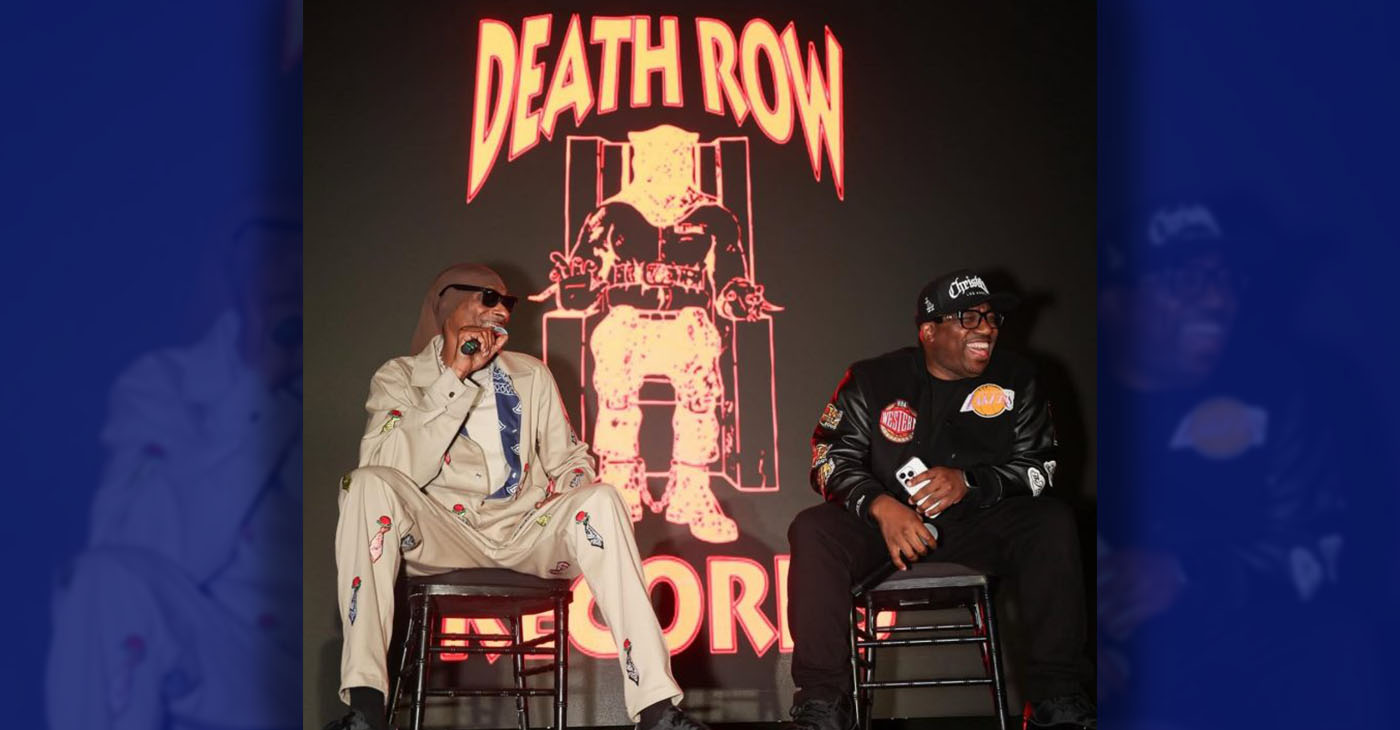
Snoop Dogg celebrated the premiere of 10 Til’ Midnight at his Inglewood recording studio & multipurpose facility, The Compound, but the night felt like much more than an album release. It felt like Los Angeles. It felt like legacy. And it felt like another major move from one of the city’s greatest cultural architects as he continues to prove that he is not just dropping music — he is building moments, shaping narratives, and pushing the culture forward in real time.
What made the event so powerful was the clarity behind the vision. During a panel conversation with DJ Hed, Snoop opened up about the heart behind 10 Til’ Midnight, explaining that the project was created to help bridge older and younger generations while also speaking to the long-standing divisions between Bloods and Crips in a unique way through film. That alone gave the project a different kind of weight. This was not just about songs. This was about using creativity as a tool for connection. This was about taking a story rooted in Los Angeles and telling it in a way that could bring people together.

Snoop Congratulated By Rapper & Fellow 10 Til Midnight Cast Member G Perico (CreativeLB/KreativeKapturez)
The album is paired with a film that stars Snoop Dogg, Hitta J3, G Perico, and Ray Vaughn, and one of the strongest elements of the whole project is that the production stayed rooted right here in Los Angeles. The film was shot in the city, including at WePlay Studios in Inglewood, which gave the entire project an even deeper hometown feel. It was not just a West Coast story in content — it was a Los Angeles-made production from the ground up.
That matters because, in a city like this, authenticity still carries weight. Snoop understands how to make sure that what he creates does not just represent Los Angeles on the surface, but actually comes from it.
What also makes 10 Til’ Midnight significant is that it represents another major step in Snoop’s evolution as both an artist and executive. Public reporting around the project identifies it as his 22nd studio album, but the bigger story is what it represents in this season of his life. This is one of several consecutive moves he has made in his 50s that show he is still building, still expanding, and still finding new ways to reinvent what the next chapter looks like.
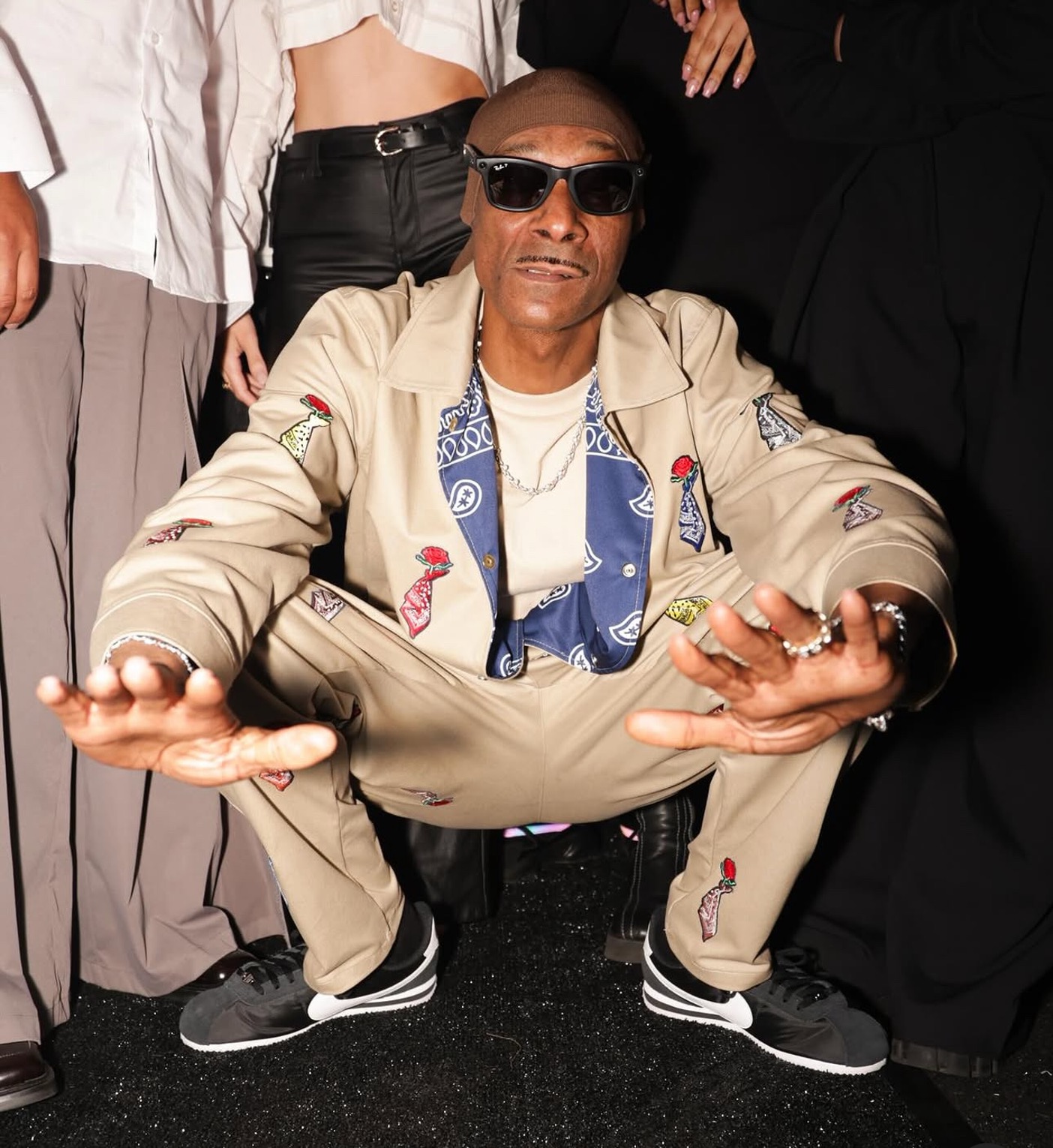
Snoop Dogg at the Premiere of 10 Til Midnight (CreativeLB/KreativeKapturez)
Now, as the head of Death Row Records and the newly aligned leader of Death Row Pictures, he is taking the brand into a new dimension. That is what made this moment feel bigger than music. Snoop is not just protecting the legacy of Death Row — he is stretching it. He is expanding it beyond records and into film, visual storytelling, and larger creative worlds that can continue carrying the label’s impact forward. Public reporting has noted that this project arrives as part of that broader cinematic push.
That is a major Los Angeles move because the city has always been built on the intersection of music, film, neighborhood identity, and cultural storytelling. With 10 Til’ Midnight, Snoop is leaning all the way into that intersection.
The room at The Compound reflected that. It felt like a private premiere, but it also felt like a statement — a reminder that Snoop Dogg’s staying power has never been based only on nostalgia. It comes from his ability to remain connected, remain visionary, and remain in tune with how to move the culture without losing the essence of who he is.
That is why this premiere mattered. It was not just about celebrating another album. It was about witnessing a Los Angeles legend continue to evolve, continue to unify, and continue to use art to tell stories that hit deeper than entertainment alone.
In that sense, 10 Til’ Midnight became more than a project launch. It became another example of how Snoop Dogg is still taking Los Angeles to the next level — using music, film, and legacy together to build something bigger than a moment.
#NNPA BlackPress
OP-ED: Small Businesses Need Minnesota to Act on Pass-Through Tax Policy
MINNESOTA SPOKESMAN RECORDER — A Twin Cities immigrant entrepreneur who built several businesses including grocery stores in underserved neighborhoods is calling on Minnesota lawmakers to extend the Pass-Through Entity tax option before it expires, warning that its loss would hit small businesses already recovering from Operation Metro Surge with higher federal tax bills.
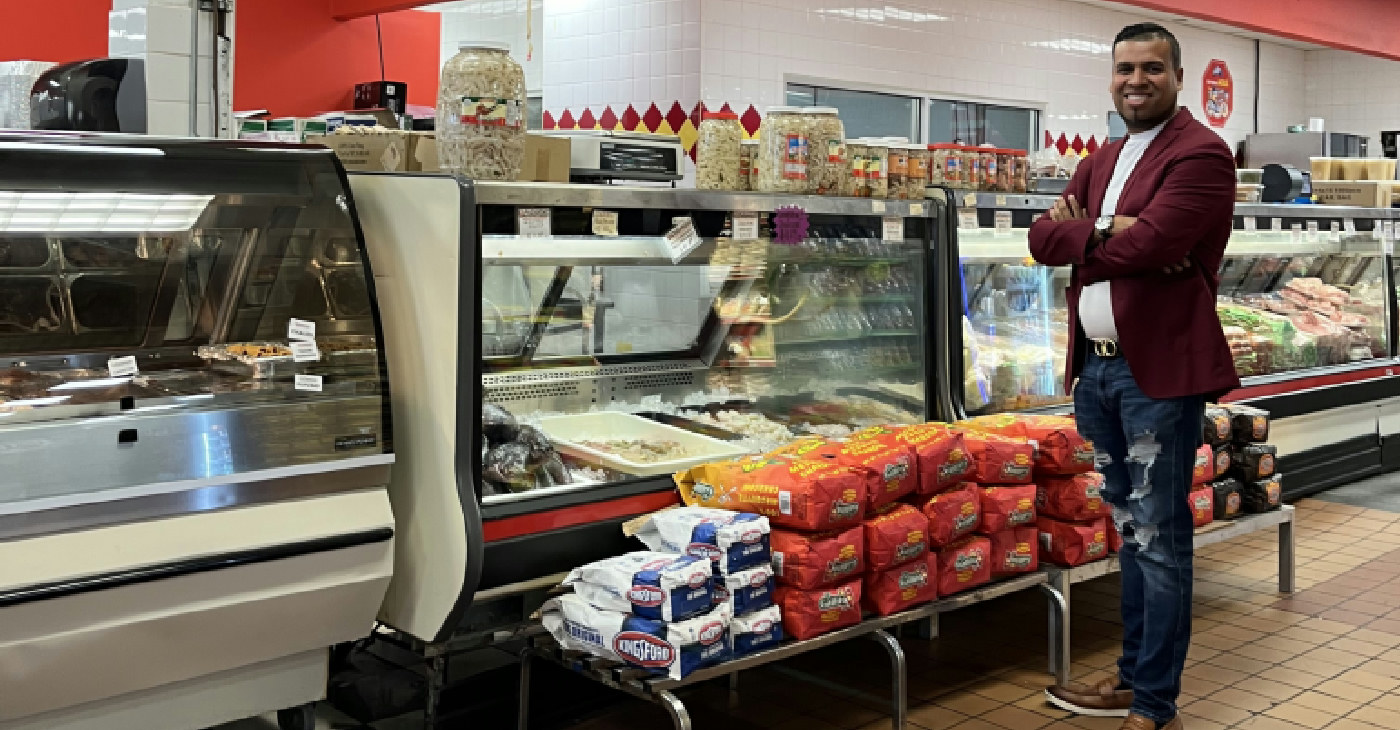
A Twin Cities Small Business Owner Is Urging Minnesota to Extend a Tax Policy That Could Save Thousands of Businesses
By Daniel Hernandez | Minnesota Spokesman Recorder
I came to the United States as a teenager with a clear goal: to build something meaningful through hard work. I put in long days in construction, restaurants, and landscaping; doing whatever it took to learn, save, and eventually start my own business.
Over time, I built and ran several successful ventures, including an event photography company, a magazine, a tax and accounting firm, and now grocery stores serving neighborhoods across the Twin Cities where other retailers chose not to invest. I’ve created jobs, supported families, and committed to communities that deserve stability and opportunity.
That’s why I’m speaking out now.
Small business owners in Minneapolis and the communities we serve are recovering from serious disruptions, including the impacts of Operation Metro Surge. That event hit immigrant communities especially hard. In my own case, I lost nearly half of my 60 employees and saw revenue drop by about 85%. While I worked to provide competitive wages, health benefits, and paid time off, the real hardship fell on the people who lost their jobs and income.

Even as we rebuild, small businesses are facing another challenge. The Minnesota Legislature is considering letting an important tax policy expire: the Pass-Through Entity tax option.
Here’s what that means in plain terms.
Many small businesses, including mine, are pass-through businesses. That means the business itself doesn’t pay income tax. Instead, the owners report the income on their personal tax returns. But under current federal rules, there’s a limit on how much state tax we can deduct. That often leads to higher federal tax bills.
The Pass-Through Entity option fixes that. It allows the business to pay the state tax directly, which means the business can fully deduct those taxes on its federal return and lower the total amount of income taxed federally. The result is straightforward: small business owners pay less in federal taxes, without reducing what the state collects.
This policy is not new or controversial. Thirty-six states already offer it. It doesn’t cost Minnesota anything, it’s revenue neutral. And it benefits more than 66,000 businesses across the state.
In a state where the cost of doing business is already high, it’s hard to understand why we wouldn’t offer the same basic tax treatment as states like California and Illinois.
Small businesses have carried a heavy load in recent years, through a pandemic, rising costs and public safety disruptions. We’ve adapted, reinvested and stayed committed to our communities. What we need now are practical policies that support that work, not make it harder.
If the Minnesota House does not act soon, many businesses will face significantly higher federal tax bills. That’s money that could otherwise be used to hire workers, raise wages or reinvest in local neighborhoods.
I urge Gov. Tim Walz and members of the House Tax Committee to pass House File 3127 and extend the Pass-Through Entity election.
Small businesses are the backbone of our communities. We’ve proven our resilience. Now we need our state leaders to show the same commitment to us.
Daniel Hernandez is the owner of Colonial Market located at 2100 E. Lake St.
Excerpt:
Photo Captions:
Website Tags and SEO Keywords:
Twitter (X) Tags and Handles:

WORK FROM HOME
Home-based business with potential monthly income of $10K+ per month. A proven training system and website provided to maximize business effectiveness. Perfect job to earn side and primary income. Contact Lynne for more details: Lynne4npusa@gmail.com 800-334-0540


2026 Lucid Air Grand Touring Review — Is This $136K EV Sedan Worth It?

Snoop Dogg Celebrates 10 Til’ Midnight at the Compound

OP-ED: Small Businesses Need Minnesota to Act on Pass-Through Tax Policy

Naila Jackson Helps Greater-Birmingham Entrepreneurs Navigate Business Resources

LA28 Olympic Tickets: Register by July

Huffman High School’s Carlos Smith Jr. Wins Esports State Championship for Madden ’26

Commanders Kick Off 2026 NFL Draft Selecting Ohio State Linebacker Sonny Styles with No. 7 Overall Pick

Baltimore Residents Press for New Investments at Taxpayers’ Night on FY2027 Budget

On the Frontlines of Hate: NAACP Links Victims to Critical Support

Headlines an Hot Topics

Why Most Businesses Don’t Realize They’re Underinsured Until It’s Too Late

Hoarding Disorder: Causes, Effects & Treatment Explained

Identity theft protection is no longer optional for any American

Medical office design mistakes that cost new practice owners before they see a patient

Car accident crisis: Vital steps to take immediately

Oakland Post: Week of April 8 – 14, 2026

Oakland Post: Week of April 1 – 7, 2026

Stanford Health Care Collaborates with Alameda Health System Affiliate, Expanding Access to Care in East Bay

Mayor Barbara Lee Proclaims April 9 as ‘100 Black Men of the Bay Area Day’

Oakland Post: Week of April 15 – 21, 2026

IN MEMORIAM: Rest in Power — Minnesota Loses a True Warrior in Yusef Mgeni

Up to the Job: How San Francisco’s PRC Is Providing Work Opportunities That Turn Into Lasting Stability

Building Bridges of Support: How AAPI Equity Alliance Is Strengthening California’s Anti-Hate Network

Mamdani Plans City Grocery Store in East Harlem

Revolve Fund to Provide $20,000 to Support Food Access Efforts in Alabama Black Belt

Cuban President Vows to Defend the Country Against US Invasion

The hidden risks of poor water management in residential properties

Black Micro-Schools Deserve Recognition: NABML Creates National Standards and Resources

Oakland Post: Week of April 22 – 28, 2026

Black Press Celebrates Ties to Black Church in Annual Sunday Service

Hyundai Ioniq 5 Parking, Safety, and 360 View #shorts

2025 Ioniq 5 New Wiper & Powerful Performance! #shorts

Electric SUV Range: Is 259 Miles Enough? #shorts

EV Charging: How Fast Can You Charge an Electric Vehicle? #shorts

Biometric Cooling… Messaging Seats…Come on! 2025 Infiniti QX80 Autograph 4WD

Charged Up: Witness the Magic of a Fully Electric Car! #shorts

Range Rover Sport PHEV Included…: See What’s Inside This Luxury SUV! #shorts

Invisible Hood View: Perfect Parking with X-Ray Vision! #shorts

AI Is Reshaping Black Healthcare: Promise, Peril, and the Push for Improved Results in California

ESSAY: Technology and Medicine, a Primary Care Point of View

Sanctuary Cities

The RESISTANCE – FREEDOM NOW

STATE OF THE PEOPLE: Freddie

ECONOMIC BOYCOTT DAY!!!!!

I told You So
-
 Activism4 weeks ago
Oakland Post: Week of April 8 – 14, 2026
-
 Alameda County3 weeks ago
Stanford Health Care Collaborates with Alameda Health System Affiliate, Expanding Access to Care in East Bay
-
 Activism3 weeks ago
Mayor Barbara Lee Proclaims April 9 as ‘100 Black Men of the Bay Area Day’
-
 Activism3 weeks ago
Oakland Post: Week of April 15 – 21, 2026
-
 #NNPA BlackPress3 weeks ago
IN MEMORIAM: Rest in Power — Minnesota Loses a True Warrior in Yusef Mgeni
-
 Activism3 weeks ago
Up to the Job: How San Francisco’s PRC Is Providing Work Opportunities That Turn Into Lasting Stability
-
 Activism3 weeks ago
Building Bridges of Support: How AAPI Equity Alliance Is Strengthening California’s Anti-Hate Network
-
 #NNPA BlackPress3 weeks ago
Mamdani Plans City Grocery Store in East Harlem