
Activism
OUSD School Board Approves Black Organizing Project’s School Safety Plan


Oakland’s School Board voted on Wednesday to pass a resolution to implement Phase 1 of a reasonable compliance safety plan, a plan Black Organizing Project, Oakland Unified School Department staff, and community partners formulated to deal with school safety without police presence.
The unanimous vote came after Black Organizing Project (BOP), who describes itself as a “Black member-led community organization working for racial, social, and economic justice,” organized for 10 years. Their goal was to eliminate the Oakland Schools Police Department (OSPD), which works exclusively in OUSD schools. On June 24 of this year, Oakland’s School Board voted to dismantle the department when they passed the George Floyd Resolution to Eliminate the OSPD.
With its Phase 1 plan, BOP is preparing for when OSPD is completely eliminated and in-person schooling starts. The plan outlines alternatives to police intervention for most behavioral issues that result in school settings. OUSD teachers, union representatives, principals, school administrators and public health experts helped to design it. Part of the plan proposes that mental health professionals deal with mental health issues instead of police.
When asked why the plan proposes that health professionals deal with mental health crises, BOP Organizing Director Jessica Black said “it’s better to have people who are trained, skilled, professionals who deal with people’s mental health than to have people who are trained to look for suspects and kill people.”
In anticipation of Wednesday’s vote, BOP organized a week of action, calling on the community to post videos on social media in support of police-free schools, contact board members directly to encourage them to support the safety plan, and prepare public comments for the meeting. During the meeting, community members spoke out in support of BOP’s plan.
BOP is happy that Phase 1 of their safety plan has been adopted by the Board but wants OUSD to remove the remaining OSPD officers and the Chief as soon as possible, as the District has not stuck to the original timeline for police removal that the George Floyd Resolution originally set.
“The goal is to have police off campus,” said BOP Organizing Director Jessica Black. “But we feel the community was undermined because they were supposed to be out now, not later.”
OUSD has extended OSPD Chief Jeff Godown’s contract by 90 days. OSPD officer’s contracts are set to expire on January 11, 2021. Through the George Floyd Resolution, the Board instructed OUSD to terminate these positions by December 31 of this year.
In an interview with The Oakland Post, District 5 Board Director Roseann Torres, who helped write the George Floyd Resolution, said directly terminating OSPD officers and the chief were “not within the board’s purview” as the terminations require action from OUSD, not the board. Torres speculated that the process has been delayed by the pandemic.
The District said it needs more time to eliminate the department.
“The District is well on the way to eliminating the police department, but there are parameters within which the District must work to complete this task,” said OUSD Communications Director John Sasaki when asked why OSPD has not been shut down yet. “A police department, even one the relatively small size of the Oakland Schools Police Department, cannot be shut down overnight.”
BOP also wants more community involvement in dealing with safety in schools, including input from teachers and students and plans to include that involvement in Phase 2 of their safety plan.
“Instead of top down we need [school safety] to come from the bottom up,” said Black. “We are the ones who keep us safe, and it’s going to take the parents, the students, the teachers, the community members and administrators to make it work.”









Activism
Oakland Post: Week of November 26 – December 2, 2025
The printed Weekly Edition of the Oakland Post: Week of November 26 – December 2, 2025

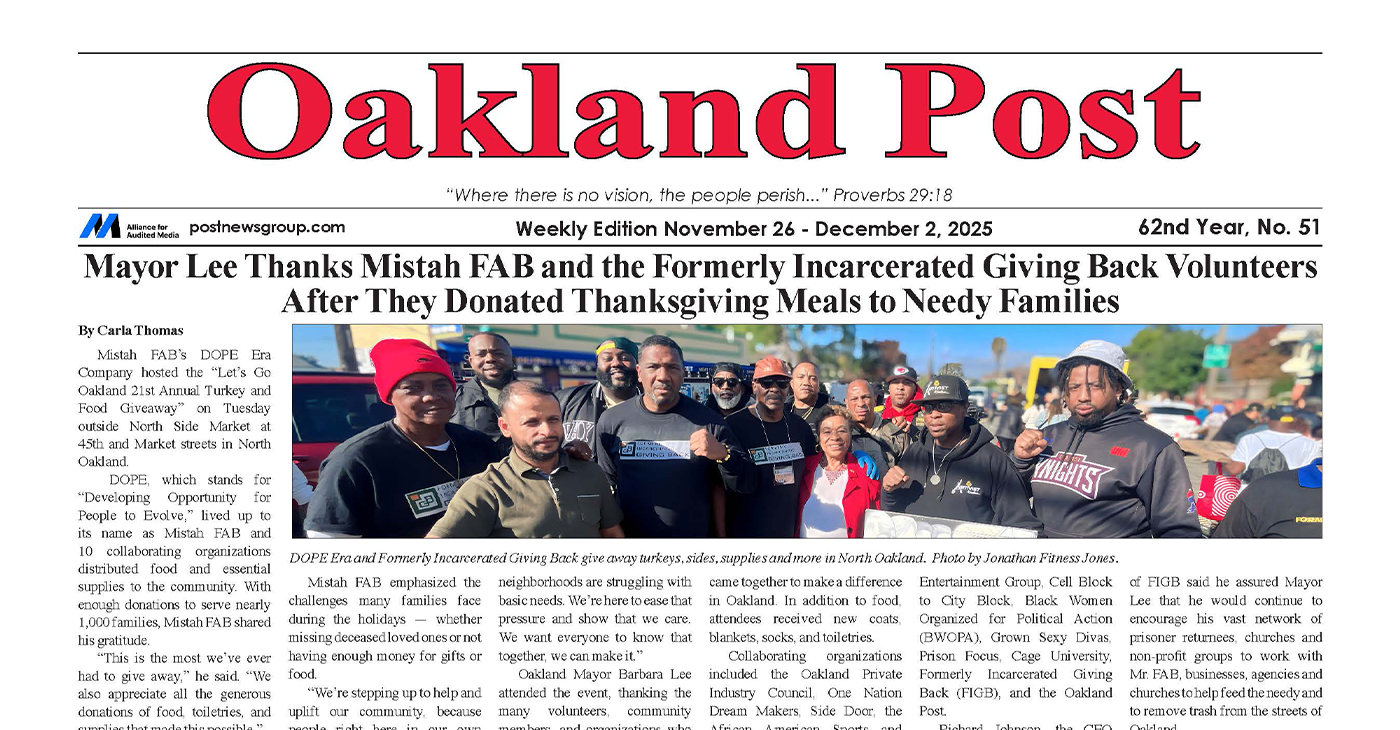
To enlarge your view of this issue, use the slider, magnifying glass icon or full page icon in the lower right corner of the browser window.

Activism
Oakland Post: Week of November 19 – 25, 2025
The printed Weekly Edition of the Oakland Post: Week of November 19 – 25, 2025

To enlarge your view of this issue, use the slider, magnifying glass icon or full page icon in the lower right corner of the browser window.
Activism
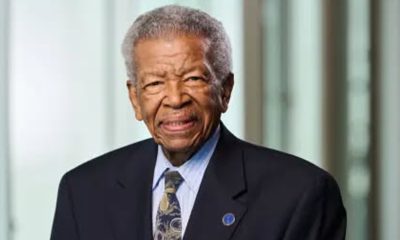
IN MEMORIAM: William ‘Bill’ Patterson, 94
Bill devoted his life to public service and education. In 1971, he became the founding director for the Peralta Community College Foundation, he also became an administrator for Oakland Parks and Recreation overseeing 23 recreation centers, the Oakland Zoo, Children’s Fairyland, Lake Merritt, and the Henry J. Kaiser Convention Center.
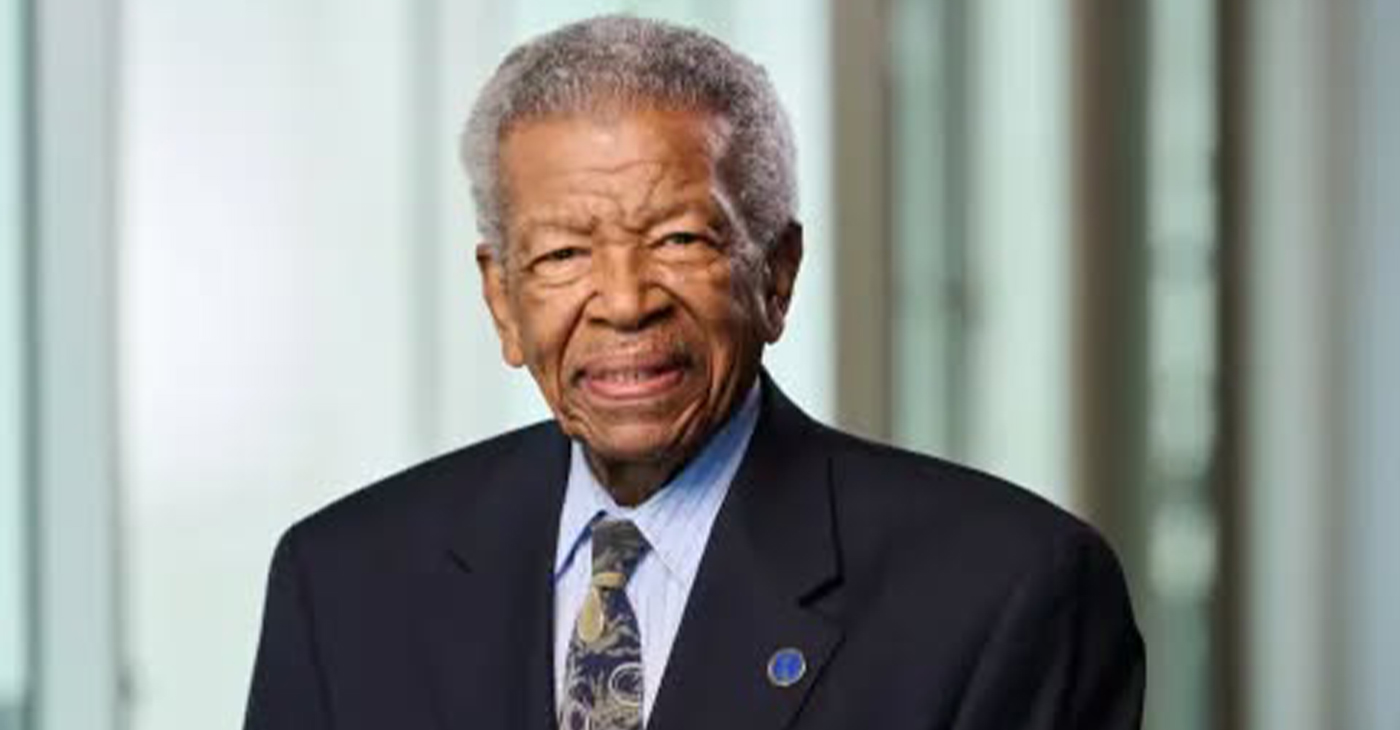
William “Bill” Patterson, 94, of Little Rock, Arkansas, passed away peacefully on October 21, 2025, at his home in Oakland, CA. He was born on May 19, 1931, to Marie Childress Patterson and William Benjamin Patterson in Little Rock, Arkansas. He graduated from Dunbar High School and traveled to Oakland, California, in 1948. William Patterson graduated from San Francisco State University, earning both graduate and undergraduate degrees. He married Euradell “Dell” Patterson in 1961. Bill lovingly took care of his wife, Dell, until she died in 2020.
Bill devoted his life to public service and education. In 1971, he became the founding director for the Peralta Community College Foundation, he also became an administrator for Oakland Parks and Recreation overseeing 23 recreation centers, the Oakland Zoo, Children’s Fairyland, Lake Merritt, and the Henry J. Kaiser Convention Center.
He served on the boards of Oakland’s Urban Strategies Council, the Oakland Public Ethics Commission, and the Oakland Workforce Development Board.
He was a three-term president of the Oakland branch of the NAACP.
Bill was initiated in the Gamma Alpha chapter of Kappa Alpha Psi Fraternity.
In 1997 Bill was appointed to the East Bay Utility District Board of Directors. William Patterson was the first African American Board President and served the board for 27 years.
Bill’s impact reached far beyond his various important and impactful positions.
Bill mentored politicians, athletes and young people. Among those he mentored and advised are legends Joe Morgan, Bill Russell, Frank Robinson, Curt Flood, and Lionel Wilson to name a few.
He is survived by his son, William David Patterson, and one sister, Sarah Ann Strickland, and a host of other family members and friends.
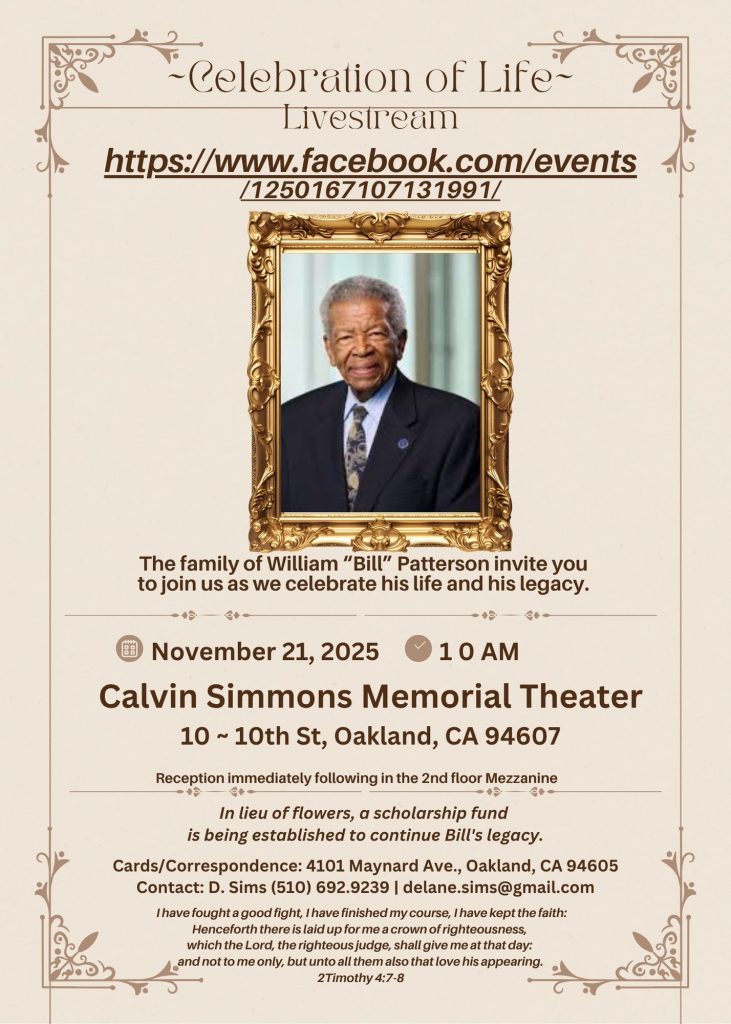
A celebration of life service will take place at Henry J. Kaiser Convention Center (Calvin Simmons Theater) on November 21, 2025, at 10 AM.
His services are being livestreamed at: https://www.facebook.com/events/1250167107131991/
In lieu of flowers, donations can be made to the Euradell and William Patterson scholarship fund TBA.


WORK FROM HOME
Home-based business with potential monthly income of $10K+ per month. A proven training system and website provided to maximize business effectiveness. Perfect job to earn side and primary income. Contact Lynne for more details: Lynne4npusa@gmail.com 800-334-0540


Seth Curry Makes Impressive Debut with the Golden State Warriors

LIHEAP Funds Released After Weeks of Delay as States and the District Rush to Protect Households from the Cold

Seven Steps to Help Your Child Build Meaningful Connections

Seven Steps to Help Your Child Build Meaningful Connections

Teens Reject Today’s News as Trump Intensifies His Assault on the Press

Thanksgiving Celebrated Across the Tri-State

Breaking the Silence: Black Veterans Speak Out on PTSD and the Path to Recovery

Trinidad and Tobago – Prime Minister Confirms U.S. Marines Working on Tobago Radar System

‘Tis the Season: Festive Holiday Pop-ups Happening Around Atlanta

IN MEMORIAM: Mardelle Walker, 101

Oakland Post: Week of November 26 – December 2, 2025

‘Targeted’ Shooting of Two National Guardsmen Blocks From the White House

Meet Roxanne Brown, The First African American And The First Woman President Of The United Steelworkers

Tax Refunds Expected to Rise by About $1,000 Next Year

CFP Rankings: Top Five Remains Unchanged; Major Decision Looms for Lane Kiffin

Oakland School Board Proposes Budget Solutions to Avoid State or County Takeover

A Call to Save Liberty Hall: Oakland’s Beacon of Black Heritage Faces an Uncertain Future

Port of Oakland September Cargo Volumes Dip Amid Shifting Trade Patterns

Oakland Post: Week of October 22 – 28, 2025

Prescribing Prevention: Doctors Turn to Lifestyle, Herbs and Veggies to Protect Against Chronic Illness in Black Californians

Mayor Lee Responds to OPD Chief Floyd Mitchell’s Decision to Resign

Past, Present, Possible! Oakland Residents Invited to Reimagine the 980 Freeway

Oakland Post: Week of October 29 – November 4, 2025

California Teachers Association Rallies Behind Prop. 50: A Stand for Education and Democracy

Man Arrested for Making Death Threats Against Mayor Barbara Lee

Essay: Intentional Self Care and Community Connections Can Improve Our Wellbeing

Oakland Post: Week of November 12 – 18, 2025

Oakland Post: Week of November 5 – 11, 2025

MLK Way at 57th Street in Oakland Renamed Bobby Seale Way for Black Panther Co-Founder

IN MEMORIAM: William ‘Bill’ Patterson, 94

Hyundai Ioniq 5 Parking, Safety, and 360 View #shorts

2025 Ioniq 5 New Wiper & Powerful Performance! #shorts

Electric SUV Range: Is 259 Miles Enough? #shorts

EV Charging: How Fast Can You Charge an Electric Vehicle? #shorts

Biometric Cooling… Messaging Seats…Come on! 2025 Infiniti QX80 Autograph 4WD

Charged Up: Witness the Magic of a Fully Electric Car! #shorts

Range Rover Sport PHEV Included…: See What’s Inside This Luxury SUV! #shorts

Invisible Hood View: Perfect Parking with X-Ray Vision! #shorts

AI Is Reshaping Black Healthcare: Promise, Peril, and the Push for Improved Results in California

ESSAY: Technology and Medicine, a Primary Care Point of View

Sanctuary Cities

The RESISTANCE – FREEDOM NOW

STATE OF THE PEOPLE: Freddie

ECONOMIC BOYCOTT DAY!!!!!

I told You So
-
 Activism3 weeks ago
Oakland Post: Week of November 12 – 18, 2025
-
 Activism4 weeks ago
Oakland Post: Week of November 5 – 11, 2025
-
 Activism2 weeks ago
IN MEMORIAM: William ‘Bill’ Patterson, 94
-

 Activism3 weeks ago
How Charles R. Drew University Navigated More Than $20 Million in Fed Cuts – Still Prioritizing Students and Community Health
-

 Bay Area3 weeks ago
No Justice in the Justice System
-

 #NNPA BlackPress3 weeks ago
The Perfumed Hand of Hypocrisy: Trump Hosted Former Terror Suspect While America Condemns a Muslim Mayor
-

 #NNPA BlackPress2 weeks ago
Trump’s Death Threat Rhetoric Sends Nation into Crisis
-
 #NNPA BlackPress3 weeks ago
Protecting Pedophiles: The GOP’s Warped Crusade Against Its Own Lies
