
#NNPA BlackPress
Rest In Power: The Black stars we lost in 2023
ATLANTA DAILY WORLD — Regardless of how these people left this world, one thing was for certain: they were loved. This is dedicated to the Black stars we lost in 2023.
The post Rest In Power: The Black stars we lost in 2023 first appeared on BlackPressUSA.


Atlanta Daily World
This year has seen a lot of highs and a lot of lows for celebrities and their fanbases, but nothing can compare to when high-profile figures pass away. 2023 in particular marked the deaths of some of the extremely influential Black actors, musicians, sports stars, activists, politicians, and other notable figures. Some of these stellar individuals have left behind a long-lasting legacy, while others were taken just as they were making waves in their respective scenes.
Regardless of how these people left this world, one thing was for certain: they were loved. This is dedicated to the Black stars we lost in 2023.
Tina Turner

Jacky Oh!

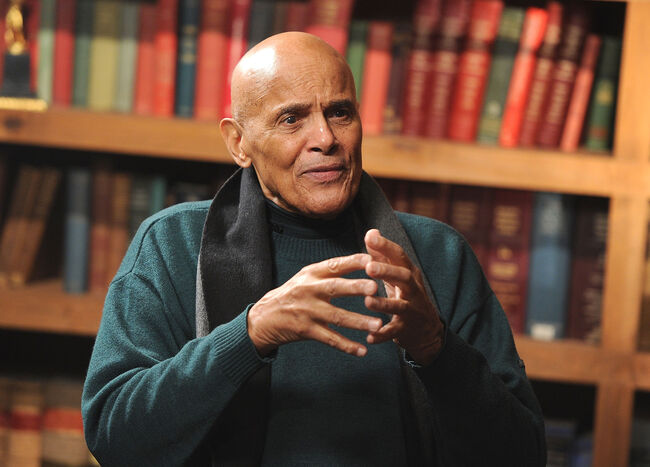
Harry Belafonte
Lance Reddick

Ray Lewis III
Andre Braugher

DJ Casper
Hughes Van Ellis

Zoleka Mandela

Clark Haggans

Richard Roundtree

Magoo

Cedric ‘Beastie’ Jones

Irish Grinstead

Sheila Oliver

Tasha Butts
Brandon Hunter

Elise Finch
Willis Reed

Clarence Avant

Mike Williams

Mutulu Shakur
DJ Mark The 45 King
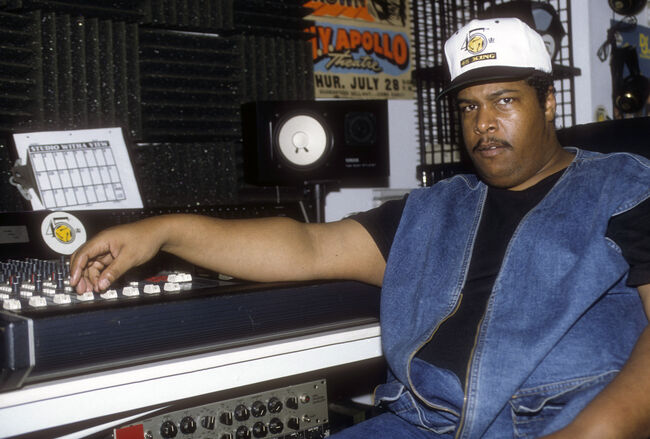
Rudolph Isley

Dopeboy Ra / Young Capone

Grace Bumbry

C.J. Harris

Gangsta Boo

James Ingram

Kristoff St. John

Danielle Ballard

The Black Information Network is your source for Black News! Get the latest news 24/7 on The Black Information Network. Listen now on the iHeartRadio app or click HERE to tune in live.
The post Rest In Power: The Black stars we lost in 2023 appeared first on Atlanta Daily World.
The post Rest In Power: The Black stars we lost in 2023 first appeared on BlackPressUSA.








#NNPA BlackPress
LIHEAP Funds Released After Weeks of Delay as States and the District Rush to Protect Households from the Cold
BLACKPRESSUSA NEWSWIRE — The federal government has released $3.6 billion in home heating assistance after a delay that left states preparing for the start of winter without the program’s annual funding.


By Stacy M. Brown
Black Press USA Senior National Correspondent
The federal government has released $3.6 billion in home heating assistance after a delay that left states preparing for the start of winter without the program’s annual funding. The Low-Income Home Energy Assistance Program, known as LIHEAP, helps eligible households pay heating and cooling bills. The release follows a shutdown that stretched 43 days and pushed agencies across the country to warn families of possible disruptions.
State officials in Minnesota, Kansas, New York, and Pennsylvania had already issued alerts that the delay could slow the processing of applications or force families to wait until December for help. In Pennsylvania, more than 300,000 households depend on the program each year. Minnesota officials noted that older adults, young children, and people with disabilities face the highest risk as temperatures fall.
The delay also raised concerns among advocates who track household debt tied to rising utility costs. National Energy Assistance Directors Association Executive Director Mark Wolfe said the funds were “essential and long overdue” and added that high arrearages and increased energy prices have strained families seeking help.
Some states faced additional pressure when other services were affected by the shutdown. According to data reviewed by national energy advocates, roughly 68 percent of LIHEAP households also receive nutrition assistance, and the freeze in multiple programs increased the financial burden on low-income residents. Wolfe said families were placed in “an even more precarious situation than usual” as the shutdown stretched into November.
In Maryland, lawmakers urged the Trump administration to release funds after the state recorded its first cold-related death of the season. The Maryland Department of Health reported that a man in his 30s was found outdoors in Frederick County when temperatures dropped. Last winter, the state documented 75 cold-related deaths, the highest number in five years. Rep Kweisi Mfume joined more than 100 House members calling for immediate federal action and said LIHEAP “is not a luxury” for the 100,000 Maryland households that rely on it. He added that seniors and veterans would be placed at risk if the program remained stalled.
Maryland Gov. Wes Moore used $10.1 million in state funds to keep benefits moving, but noted that states cannot routinely replace federal dollars. His administration said families that rely on medical equipment requiring electricity are particularly vulnerable.
The District of Columbia has already mapped out its FY26 LIHEAP structure in documents filed with the federal government. The District’s plan shows that heating assistance, cooling assistance, weatherization, and year-round crisis assistance operate from October 1 through September 30. The District allocates 50 percent of its LIHEAP funds to heating assistance, 10 percent to cooling, 13 percent to year-round crisis assistance, 15 percent to weatherization, and 10 percent to administrative costs. Two percent is used for services that help residents reduce energy needs, including education on reading utility bills and identifying energy waste.
The District’s plan lists a minimum LIHEAP benefit of $200 and a maximum of $1,800 for both heating and cooling assistance. Crisis benefits are provided separately and may reach up to $500 when needed to resolve an emergency. The plan states that a household is considered in crisis if it has been disconnected from energy service, if heating oil is at 5 percent or less of capacity, or if the household has at least $200 owed after the regular benefit is applied.
The District’s filing notes that LIHEAP staff conduct outreach through community meetings, senior housing sites, Advisory Neighborhood Commissions, social media, posters, and mass mailings. The plan confirms that LIHEAP applicants can apply in person, by mail, by email, or through a mobile-friendly online application and that physically disabled residents may request in-home visits.
As agencies nationwide begin distributing the newly released funds, states continue working through large volumes of applications. Wolfe said LIHEAP administrators “have been notified that the award letters have gone out and the states can begin to draw down the funds.”

#NNPA BlackPress
Seven Steps to Help Your Child Build Meaningful Connections
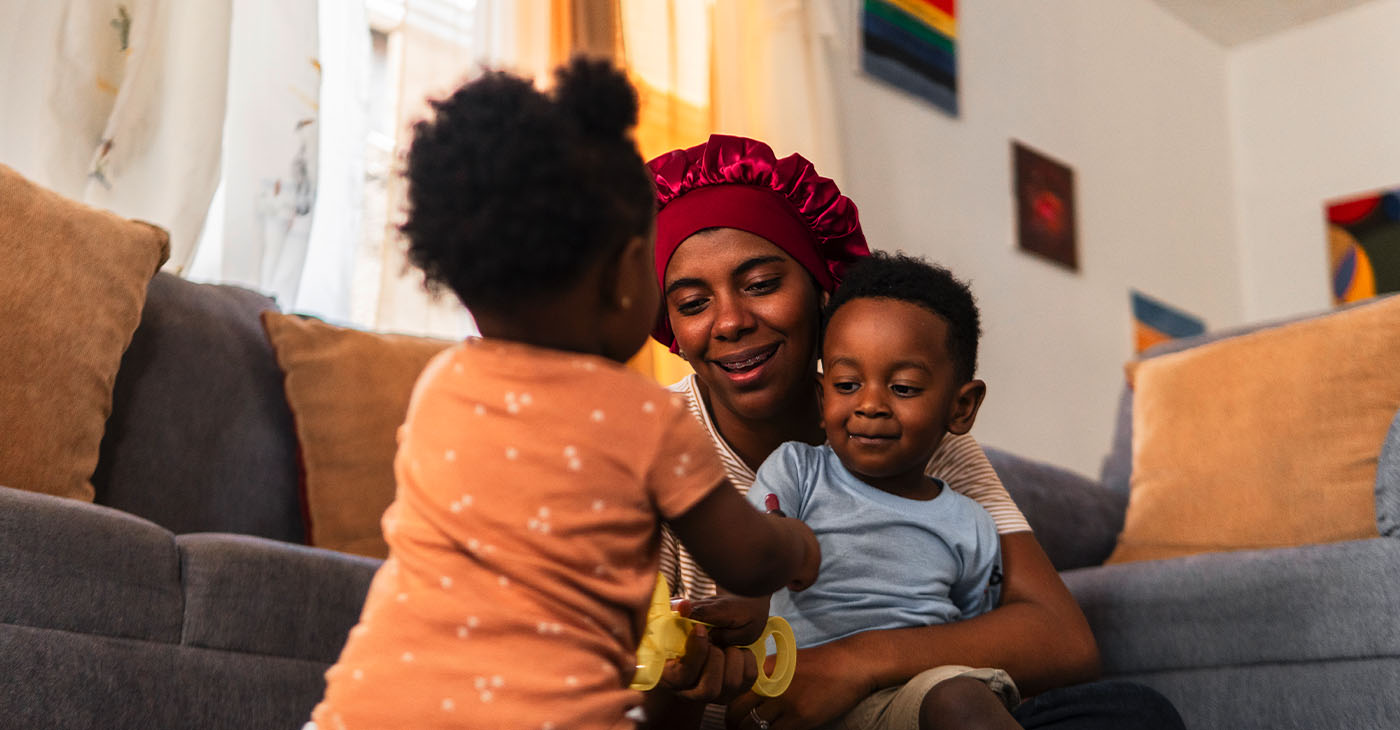
BLACKPRESSUSA NEWSWIRE — Swinging side by side with a friend on the playground. Sharing chalk over bright, colorful sidewalk drawings. Hiding behind a tree during a spirited game of hide-and-seek. These simple moments between children may seem small, but they matter more than we think

By Niyoka McCoy, Ed.D., Chief Learning Officer, Stride/K12
Swinging side by side with a friend on the playground. Sharing chalk over bright, colorful sidewalk drawings. Hiding behind a tree during a spirited game of hide-and-seek. These simple moments between children may seem small, but they matter more than we think: They lay the foundation for some of life’s most important skills.
Through everyday play, young children begin learning essential social and emotional skills like sharing, resolving conflicts, showing empathy, and managing their emotions. These social skills help shape emotional growth and set kids up for long-term success. Socialization in early childhood isn’t just a “nice-to-have”—it’s essential for development.
Yet today, many young children who haven’t yet started school aren’t getting enough consistent, meaningful interaction with peers. Research shows that there’s a decline in active free play and peer socialization when compared to previous generations.
There are many reasons for this. Children who are home with a parent during the day may spend most of their time with adults, limiting opportunities for peer play. Those in daycare or preschool may have restricted free play, and large classrooms can reduce supervision and social coaching. Some children live in rural areas, are homebound due to illness, have full schedules, or rely on screens to fill their playtime. And for some families, finding other families with young children to connect with isn’t easy.
While these challenges can feel significant, opportunities for connection still exist in every community. Families can take simple steps to help children build friendships, create a sense of belonging, and strengthen social skills. Here are some ideas to get started:
- Storytime sessions at libraries or local bookstores
- Community offerings such as parent-child workshops, art, music, gymnastics, swimming, or sports programs
- Weekly events at children’s museums, which may include art projects, music workshops, or science experiments
- Outdoor exploration, where kids can play with peers
- Local parenting groups that organize playdates and group activities
- Volunteer opportunities where children can participate, such as pet adoption events or packing meals at a food bank
- Classes for kids at local businesses, including hardware, grocery, or craft stores
Some of these community activities are free or low-cost and give kids the chance to build friendships and practice social skills. Parents can also model positive social behavior by interacting with other parents and encouraging their children to play with their peers.
These may seem like small moments of connection, but they can have a powerful impact. Every time your child shares a toy, plays make-believe with peers, or races a friend down the slide, they’re not just playing—they’re learning the skills that build confidence, empathy, and lasting friendships. And it’s good for you, too. Creating intentional opportunities for play also helps you strengthen your own network of parents who can support one another as your children grow together.

#NNPA BlackPress
Seven Steps to Help Your Child Build Meaningful Connections
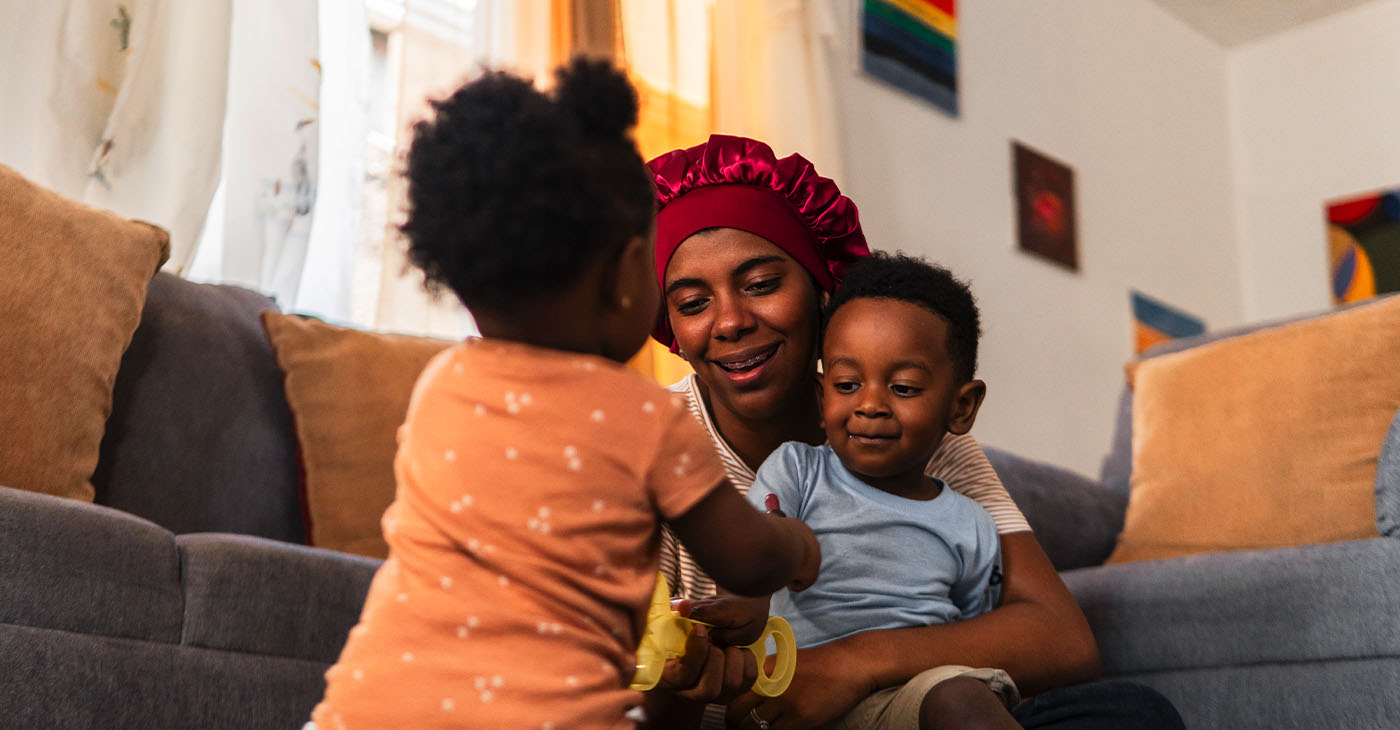
BLACKPRESSUSA NEWSWIRE — Swinging side by side with a friend on the playground. Sharing chalk over bright, colorful sidewalk drawings. Hiding behind a tree during a spirited game of hide-and-seek. These simple moments between children may seem small, but they matter more than we think
By Niyoka McCoy, Ed.D., Chief Learning Officer, Stride/K12
Swinging side by side with a friend on the playground. Sharing chalk over bright, colorful sidewalk drawings. Hiding behind a tree during a spirited game of hide-and-seek. These simple moments between children may seem small, but they matter more than we think: They lay the foundation for some of life’s most important skills.
Through everyday play, young children begin learning essential social and emotional skills like sharing, resolving conflicts, showing empathy, and managing their emotions. These social skills help shape emotional growth and set kids up for long-term success. Socialization in early childhood isn’t just a “nice-to-have”—it’s essential for development.
Yet today, many young children who haven’t yet started school aren’t getting enough consistent, meaningful interaction with peers. Research shows that there’s a decline in active free play and peer socialization when compared to previous generations.
There are many reasons for this. Children who are home with a parent during the day may spend most of their time with adults, limiting opportunities for peer play. Those in daycare or preschool may have restricted free play, and large classrooms can reduce supervision and social coaching. Some children live in rural areas, are homebound due to illness, have full schedules, or rely on screens to fill their playtime. And for some families, finding other families with young children to connect with isn’t easy.

While these challenges can feel significant, opportunities for connection still exist in every community. Families can take simple steps to help children build friendships, create a sense of belonging, and strengthen social skills. Here are some ideas to get started:
- Storytime sessions at libraries or local bookstores
- Community offerings such as parent-child workshops, art, music, gymnastics, swimming, or sports programs
- Weekly events at children’s museums, which may include art projects, music workshops, or science experiments
- Outdoor exploration, where kids can play with peers
- Local parenting groups that organize playdates and group activities
- Volunteer opportunities where children can participate, such as pet adoption events or packing meals at a food bank
- Classes for kids at local businesses, including hardware, grocery, or craft stores
Some of these community activities are free or low-cost and give kids the chance to build friendships and practice social skills. Parents can also model positive social behavior by interacting with other parents and encouraging their children to play with their peers.
These may seem like small moments of connection, but they can have a powerful impact. Every time your child shares a toy, plays make-believe with peers, or races a friend down the slide, they’re not just playing—they’re learning the skills that build confidence, empathy, and lasting friendships. And it’s good for you, too. Creating intentional opportunities for play also helps you strengthen your own network of parents who can support one another as your children grow together.


WORK FROM HOME
Home-based business with potential monthly income of $10K+ per month. A proven training system and website provided to maximize business effectiveness. Perfect job to earn side and primary income. Contact Lynne for more details: Lynne4npusa@gmail.com 800-334-0540


Seth Curry Makes Impressive Debut with the Golden State Warriors

LIHEAP Funds Released After Weeks of Delay as States and the District Rush to Protect Households from the Cold

Seven Steps to Help Your Child Build Meaningful Connections

Seven Steps to Help Your Child Build Meaningful Connections

Teens Reject Today’s News as Trump Intensifies His Assault on the Press

Thanksgiving Celebrated Across the Tri-State

Breaking the Silence: Black Veterans Speak Out on PTSD and the Path to Recovery

Trinidad and Tobago – Prime Minister Confirms U.S. Marines Working on Tobago Radar System

‘Tis the Season: Festive Holiday Pop-ups Happening Around Atlanta

IN MEMORIAM: Mardelle Walker, 101

Oakland Post: Week of November 26 – December 2, 2025

‘Targeted’ Shooting of Two National Guardsmen Blocks From the White House

Meet Roxanne Brown, The First African American And The First Woman President Of The United Steelworkers

Tax Refunds Expected to Rise by About $1,000 Next Year

CFP Rankings: Top Five Remains Unchanged; Major Decision Looms for Lane Kiffin

Oakland School Board Proposes Budget Solutions to Avoid State or County Takeover

OPINION: Argent Materials Oakland CleanTech Community Asset Helps Those In Need

A Call to Save Liberty Hall: Oakland’s Beacon of Black Heritage Faces an Uncertain Future

Port of Oakland September Cargo Volumes Dip Amid Shifting Trade Patterns

Oakland Post: Week of October 22 – 28, 2025

Prescribing Prevention: Doctors Turn to Lifestyle, Herbs and Veggies to Protect Against Chronic Illness in Black Californians

Mayor Lee Responds to OPD Chief Floyd Mitchell’s Decision to Resign

Past, Present, Possible! Oakland Residents Invited to Reimagine the 980 Freeway

California Teachers Association Rallies Behind Prop. 50: A Stand for Education and Democracy

Oakland Post: Week of October 29 – November 4, 2025

Man Arrested for Making Death Threats Against Mayor Barbara Lee

Essay: Intentional Self Care and Community Connections Can Improve Our Wellbeing

MLK Way at 57th Street in Oakland Renamed Bobby Seale Way for Black Panther Co-Founder

Oakland Post: Week of November 5 – 11, 2025

Oakland Post: Week of November 12 – 18, 2025

Hyundai Ioniq 5 Parking, Safety, and 360 View #shorts

2025 Ioniq 5 New Wiper & Powerful Performance! #shorts

Electric SUV Range: Is 259 Miles Enough? #shorts

EV Charging: How Fast Can You Charge an Electric Vehicle? #shorts

Biometric Cooling… Messaging Seats…Come on! 2025 Infiniti QX80 Autograph 4WD

Charged Up: Witness the Magic of a Fully Electric Car! #shorts

Range Rover Sport PHEV Included…: See What’s Inside This Luxury SUV! #shorts

Invisible Hood View: Perfect Parking with X-Ray Vision! #shorts

AI Is Reshaping Black Healthcare: Promise, Peril, and the Push for Improved Results in California

ESSAY: Technology and Medicine, a Primary Care Point of View

Sanctuary Cities

The RESISTANCE – FREEDOM NOW

STATE OF THE PEOPLE: Freddie

ECONOMIC BOYCOTT DAY!!!!!

I told You So
-
 Activism4 weeks ago
Oakland Post: Week of November 5 – 11, 2025
-
 Activism3 weeks ago
Oakland Post: Week of November 12 – 18, 2025
-

 Activism2 weeks ago
IN MEMORIAM: William ‘Bill’ Patterson, 94
-

 Activism3 weeks ago
How Charles R. Drew University Navigated More Than $20 Million in Fed Cuts – Still Prioritizing Students and Community Health
-

 #NNPA BlackPress3 weeks ago
The Perfumed Hand of Hypocrisy: Trump Hosted Former Terror Suspect While America Condemns a Muslim Mayor
-

 Bay Area3 weeks ago
No Justice in the Justice System
-

 #NNPA BlackPress3 weeks ago
Protecting Pedophiles: The GOP’s Warped Crusade Against Its Own Lies
-

 #NNPA BlackPress4 weeks ago
2026 Subaru Forester Wilderness Review: Everyday SUV With Extra Confidence
