
Politics
Maryland Man Freed from Cuba to Attend State of the Union


In this Dec. 17, 2014 file photo, Alan Gross speaking during a news conference at his lawyers office in Washington. Gross, who returned home last month after spending five years imprisoned in Cuba, will have a prime viewing spot for President Barack Obamas State of the Union address: a seat near first lady Michelle Obama. (AP Photo/Pablo Martinez Monsivais)
Darlene Superville, ASSOCIATED PRESS
WASHINGTON (AP) — A Maryland man who returned home last month after spending five years imprisoned in Cuba will have a prime viewing spot for President Barack Obama’s State of the Union address: a seat near first lady Michelle Obama.
Alan Gross and his wife, Judy, are among 22 special guests the White House invited to Tuesday night’s speech.
It’s become tradition for presidents to invite people whose stories of tragedy or triumph highlight an issue or public policy. President Ronald Reagan was the first to do so in 1982 and acknowledge the guests, who sit with the first lady, during the speech. Every president since has continued the tradition.
The year’s group includes astronaut Scott Kelly, the president and CEO of CVS Health and eight people who wrote letters to Obama, including four he spent time with last year.
Gross is a former federal subcontractor who was arrested in Cuba in 2009. His wife and others said he was there to set up Internet access for the small Jewish community on the communist island. He was released last month as part of a historic announcement by Obama that the U.S. would restore diplomatic relations with Cuba after five decades.
Kelly, of Houston, is preparing to blast off in March on a yearlong space mission, longer than any other U.S. astronaut. His identical twin, retired astronaut Mark Kelly, is married to former Rep. Gabrielle Giffords, D-Ariz. She was gravely wounded four years ago during a shooting at a political event she held in Tucson. Six people were killed and 13 were injured. Scientists will compare medical data from the brothers to understand how the human body responds to longer durations in space.
CVS Health pulled cigarettes, cigars and other tobacco products from its store shelves last year, a move that was applauded by Obama, a former smoker often seen chewing nicotine gum. The decision by CVS Health earned Larry Merlo, the drugstore chain’s top executive, a seat in the first lady’s box.
The other guests, as identified by the White House, are:
— Malik Bryant, of Chicago. The 13-year-old wrote a letter to Santa over the holidays asking for safety. Instead of forwarding the letter to the North Pole, a nonprofit organization redirected it to the White House. Obama wrote back to say that security was a priority for him, too.
— Chelsey Davis, of Knoxville, Tennessee. Davis is scheduled to graduate in May from Pellissippi State Community College with a bachelor’s degree in nutritional science. She met Obama when he visited her school this month to announce a plan to make two years of community college free for students who keep their grades up.
— LeDaya Epps, of Compton, California. The mother of three completed a union apprenticeship in construction, one of only two women to do so, and is on the crew building the Crenshaw/LAX light rail line. Obama has promoted apprenticeships as a way for people to get training for skilled jobs.
— Rebekah Erler, of Minneapolis. The wife and mother of two young boys wrote to Obama about how her family suffered after her husband’s construction business folded. Both are working again and recently bought their first home. Obama spent a day with Erler in Minnesota last year.
— Victor Fugate, of Kansas City. Fugate wrote to Obama to share how he went from being an unemployed new father to getting his degree and helping low-income patients obtain medical care. Fugate says he and his wife are benefiting from an Obama program that caps monthly student loan payments. Obama met Fugate in Kansas City in July.
— Retired Army Staff Sgt. Jason Gibson, of Westerville, Ohio. Gibson wrote to Obama to thank the president for visiting him as he recovered from injuries, including the loss of both legs. Gibson surfs, skis, has completed marathons on a hand cycle and earned a pilot’s license. He welcomed his first child in November.
— Nicole Hernandez Hammer, of southeast Florida. Hammer is a sea-level researcher who studies how cities and other areas most vulnerable to the effects of climate change also have large Hispanic populations. She works to raise Latinos’ awareness of climate change. Addressing climate change is an Obama priority.
— Anthony Mendez, of New York City. The University of Hartford freshman once had to rise at 4:30 a.m. to get to school after his family was evicted and forced to live in a homeless shelter. Mendez was among students who met Mrs. Obama last year. She spearheads an initiative encouraging students to pursue education after high school.
— Katrice Mubiru, of Woodland Heights, California. Mubiru, a career-technical education teacher in Los Angeles, encouraged Obama in a letter to support K-12 adult and career technical education. She met and introduced Obama in July when he visited Los Angeles Trade-Technical College to highlight technical skills programs.
— Astrid Muhammad, of Charlotte, North Carolina. Muhammad, a wife and mother of two, wrote to thank Obama for signing the Affordable Care Act. Last year, she obtained coverage under the law and had surgery to remove a potentially fatal brain tumor that was diagnosed in May 2013, when she had no health insurance.
— Kathy Pham, of Washington, D.C. Pham is a government computer scientist who works to improve health information technology, expand access to benefits for veterans and improve the way government provides services to families like hers. Her mother received cancer treatment under the new health care law and her brother earned a Purple Heart for service in Afghanistan.
—Capt. Phillip C. Tingirides, of Irvine, California. A husband and father of six, the veteran Los Angeles police officer heads the Community Safety Partnership program in the neighborhood of Watts, once scarred by race riots and subsequent gang violence. Under the program, begun in 2011, police engage with residents.
— Catherine Pugh, of Baltimore. Pugh is majority leader of the Maryland Senate who helped pass legislation increasing the state minimum wage to $10.10. She has also introduced legislation to provide the state’s workers with earned paid sick leave. Both are issues Obama is pushing at the federal level.
— Carolyn Reed, of Denver. Reed described in a letter to Obama how she expanded her submarine sandwich shop business with a loan from the Small Business Administration. Obama dined last year with Reed and other Coloradans who wrote to him. Reed also told the president she was raising her hourly employees’ wages to $10.10.
— Dr. Pranav Shetty, of Washington, D.C. Shetty is the global emergency health coordinator for International Medical Corps, a partner in the U.S.-backed effort to control the Ebola outbreak in West Africa. Shetty went to Liberia in August, returned to the U.S. late last month and is going back to West Africa later this week.
— Prophet Walker, Carson, California. While serving time for robbery, Walker started a prison program to help fellow inmates complete a two-year degree. After prison, Walker became a construction engineer and has worked to improve relations among law enforcement, community activists, parents and the children of local housing projects.
—Tiairris Woodward, of Warren, Michigan. Woodward started a second job working on Chrysler’s assembly line in 2010 to help support herself and three children, including one with special needs. She eventually began working only for Chrysler and after a year saved enough money to buy a car and rent a new apartment. The company’s tuition assistance program is aiding her pursuit of a bachelor’s degree in business management. The White House says her story is possible due to the comeback of Detroit and the U.S. auto industry.
—Ana Zamora, of Dallas. A student at Northwood University, Zamora was brought to the U.S. illegally as a child and has benefited under Obama’s program to defer deportations for eligible immigrants. Zamora wrote to Obama about her experience and says her parents will also be eligible for protection under Obama’s recent executive actions on immigration.
___
Follow Darlene Superville on Twitter: http://www.twitter.com/dsupervilleap
Copyright 2015 The Associated Press. All rights reserved. This material may not be published, broadcast, rewritten or redistributed.
###



Activism
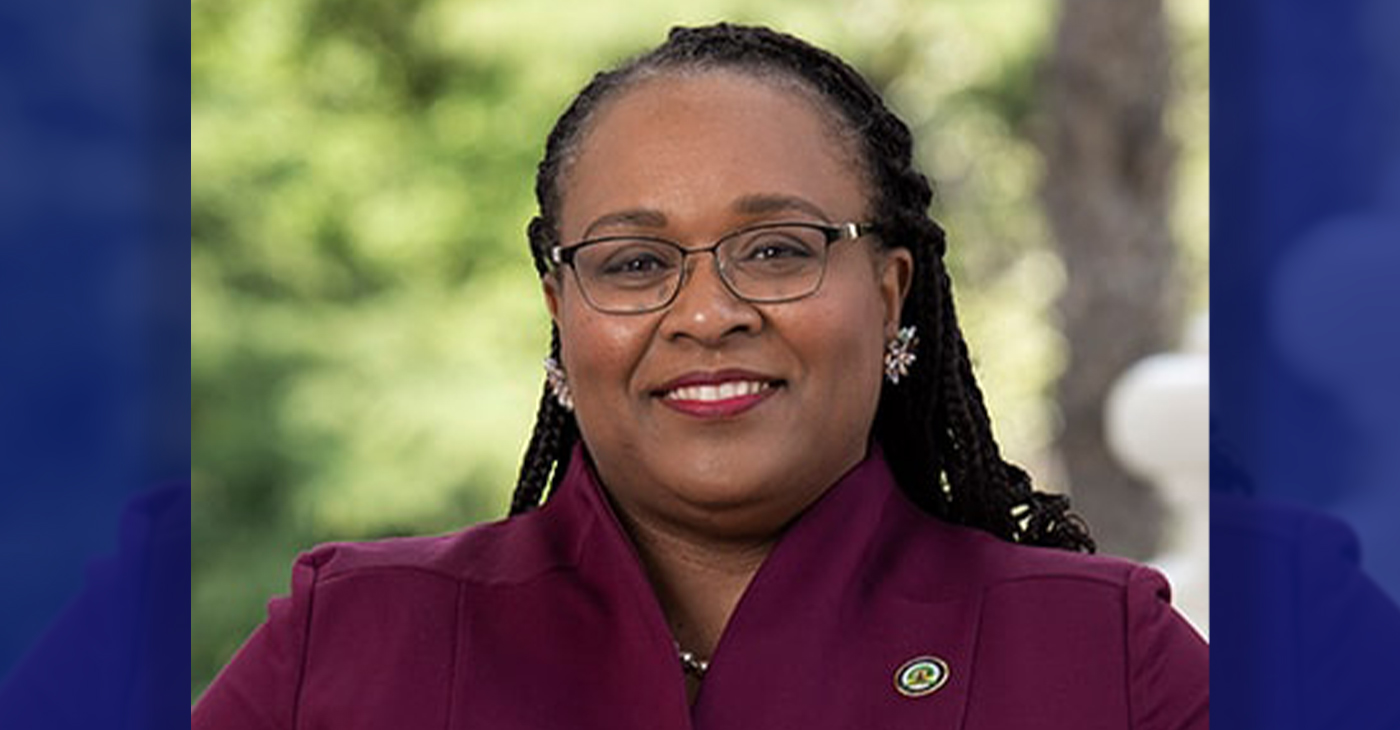
2025 in Review: Seven Questions for Assemblymember Lori Wilson — Advocate for Equity, the Environment, and More
Her rise has also included several historic firsts: she is the only Black woman ever appointed to lead the influential Assembly Transportation Committee, and the first freshman legislator elected Chair of the California Legislative Black Caucus. She has also been a vocal advocate for vulnerable communities, becoming the first California legislator to publicly discuss being the parent of a transgender child — an act of visibility that has helped advanced representation at a time when political tensions related to social issues and culture have intensified.
By Edward Henderson, California Black Media
Assemblymember Lori D. Wilson (D-Suisun City) joined the California Legislature in 2022 after making history as Solano County’s first Black female mayor, bringing with her a track record of fiscal discipline, community investment, and inclusive leadership.
She represents the state’s 11th Assembly District, which spans Solano County and portions of Contra Costa and Sacramento Counties.
Her rise has also included several historic firsts: she is the only Black woman ever appointed to lead the influential Assembly Transportation Committee, and the first freshman legislator elected Chair of the California Legislative Black Caucus. She has also been a vocal advocate for vulnerable communities, becoming the first California legislator to publicly discuss being the parent of a transgender child — an act of visibility that has helped advanced representation at a time when political tensions related to social issues and culture have intensified.
California Black Media spoke with Wilson about her successes and disappointments this year and her outlook for 2026.
What stands out as your most important achievement this year?
Getting SB 237 passed in the Assembly. I had the opportunity to co-lead a diverse workgroup of colleagues, spanning a wide range of ideological perspectives on environmental issues.
How did your leadership contribute to improving the lives of Black Californians this year?

The Black Caucus concentrated on the Road to Repair package and prioritized passing a crucial bill that remained incomplete during my time as chair, which establishes a process for identifying descendants of enslaved people for benefit eligibility.
What frustrated you the most this year?
The lack of progress made on getting Prop 4 funds allocated to socially disadvantaged farmers. This delay has real consequences. These farmers have been waiting for essential support that was promised. Watching the process stall, despite the clear need and clear intent of the voters, has been deeply frustrating and reinforces how much work remains to make our systems more responsive and equitable.
What inspired you the most this year?
The resilience of Californians persists despite the unprecedented attacks from the federal government. Watching people stay engaged, hopeful, and determined reminded me why this work matters and why we must continue to protect the rights of every community in our state.
What is one lesson you learned this year that will inform your decision-making next year?
As a legislator, I have the authority to demand answers to my questions — and accept nothing less. That clarity has strengthened my approach to oversight and accountability.
In one word, what is the biggest challenge Black Californians are facing currently?
Affordability and access to quality educational opportunities.
What is the goal you want to achieve most in 2026?
Advance my legislative agenda despite a complex budget environment. The needs across our communities are real, and even in a tight fiscal year, I’m committed to moving forward policies that strengthen safety, expand opportunity, and improve quality of life for the people I represent.
Activism
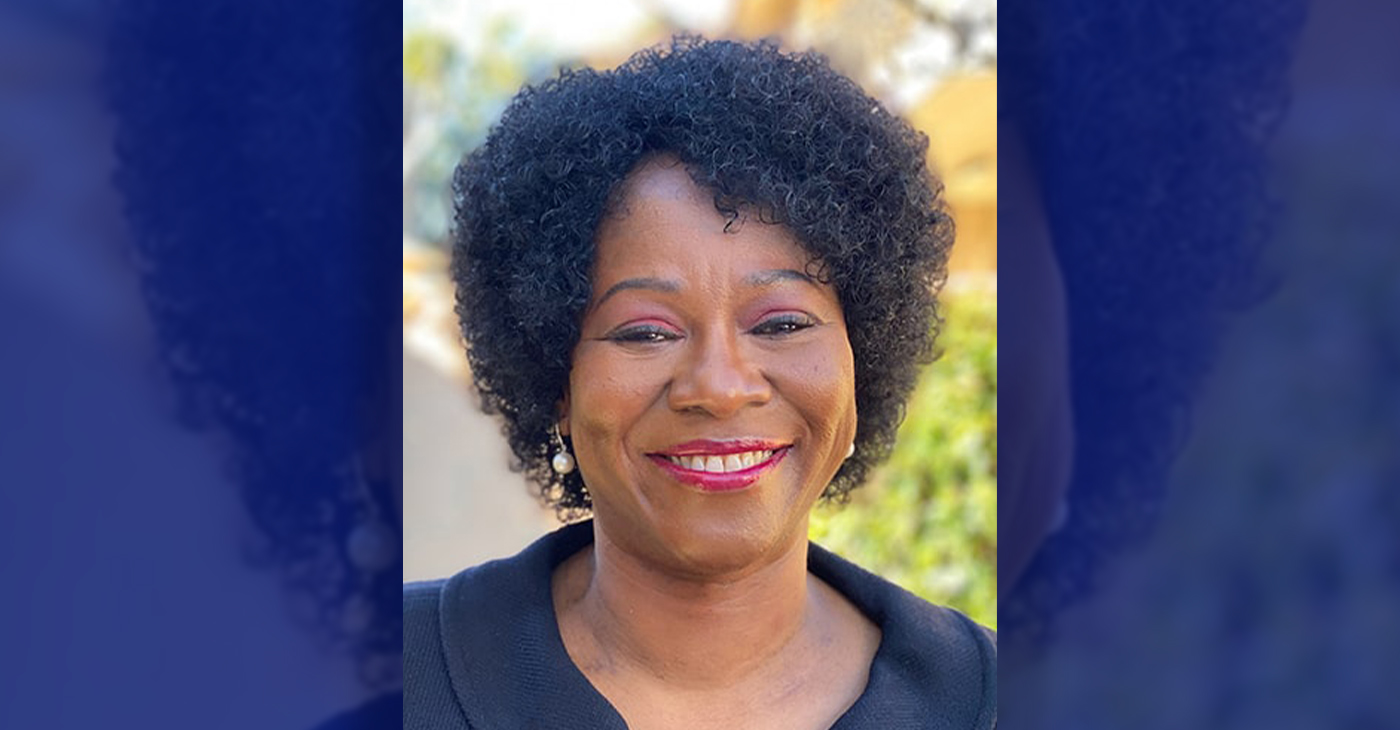
2025 in Review: Seven Questions for Assemblymember Tina McKinnor, Champion of Reparations, Housing and Workers’ Rights
In 2025, McKinnor pushed forward legislation on renters’ protections, re-entry programs, reparations legislation, and efforts to support Inglewood Unified School District. She spoke with California Black Media about the past year and her work. Here are her responses.
By Joe W. Bowers Jr., California Black Media
Assemblymember Tina McKinnor (D-Inglewood) represents
California’s 61st Assembly District.
As a member of the California Legislative Black Caucus (CLBC),
McKinnor was elected in 2022. She chairs the Los Angeles County Legislative Delegation and leads the Assembly Public Employment and Retirement Committee. McKinnor also served as a civic engagement director, managed political campaigns, and worked as chief of staff for former Assemblymembers Steven Bradford and Autumn Burke.
In 2025, McKinnor pushed forward legislation on renters’ protections, re-entry programs, reparations legislation, and efforts to support Inglewood Unified School District. She spoke with California Black Media about the past year and her work. Here are her responses.
Looking back on 2025, what do you see as your biggest win?
Assembly Bill (AB) 628. If rent is $3,000, people should at least have a stove and a refrigerator. It’s ridiculous that people were renting without basic appliances.
I’m also proud that I was able to secure $8.4 million in the state budget for people coming home from incarceration. That includes the Homecoming Project, the menopause program for incarcerated women, and the Justice Leaders Program.
How did your leadership help make life better for Black Californians this year?
After the Eaton Fire, I pushed to get the same kind of support for affected areas that wealthier regions get after disasters.
I also did a lot of work building political power— establishing the Black Legacy PAC and California for All of Us PAC so we could support Black candidates and educate voters. We also called voters to make sure they understood Prop 50.
People need to understand this: there are only 12 Black legislators in the Capitol. Folks act like we can just walk in and pass reparations, but that’s not how it works.
What frustrated you most this year?
The governor did not have the political will to sign these bills: AB 57 and AB 62. They both passed overwhelmingly in the Assembly and the Senate. We did the work. The only person who didn’t have the political will to sign them was the governor.
The public needs to ask the governor why he didn’t sign the bills. We can’t keep letting people off the hook. He has to answer.
I also introduced AB 51 — the bill to eliminate interest payments on Inglewood Unified School District’s long-standing state loan — held in the Appropriations Committee. That was frustrating,
What inspired you most in 2025?
The civil rights trip to Alabama was life changing. We visited the Legacy Museum and the National Memorial for Peace and Justice. We took members of the Black, Latino, Jewish, and API caucuses with us. It changed all of us.
People aren’t always against us — they just don’t know our history.
What’s one lesson from 2025 that will shape how you approach decisions next year?
The legislative trip to Norway taught me that collaboration matters. Government, labor, and industry sit down together there. They don’t make villains. Everybody doesn’t get everything they want, but they solve problems.
What’s the biggest challenge facing Black Californians in one word?
Inequity. It shows up in housing, wealth, stress – all these things.
What’s the number one goal you want to accomplish in 2026?
Bringing back AB 57 and AB 62, and securing money for the Inglewood Unified loan interest forgiveness.
Activism
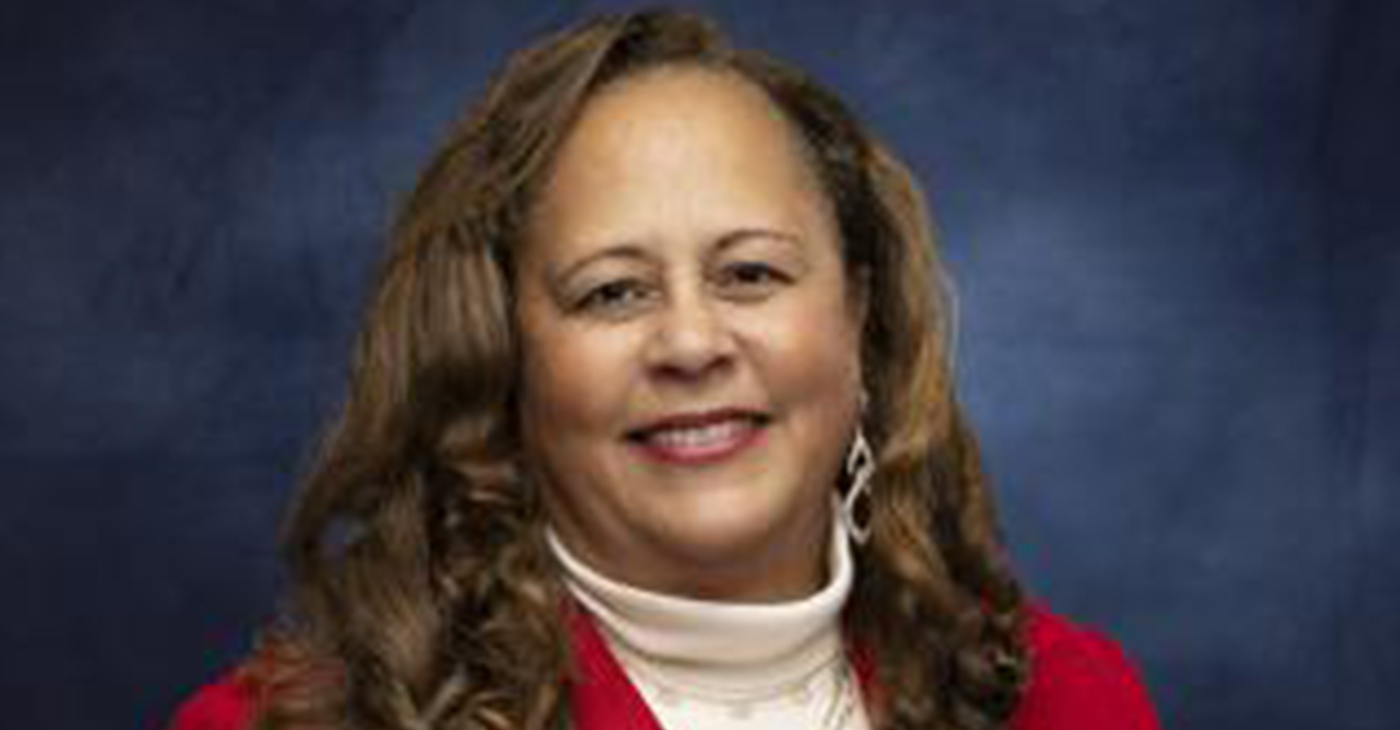
2025 in Review: Seven Questions for Sen. Laura Richardson, Who Made Legislative History This Year
Before elected office, she served as a legislative staffer at the local, state, and federal levels and built a strong academic foundation, earning a political science degree from UCLA and an MBA from USC.
By Edward Henderson, California Black Media
Elected in November 2024 to represent California’s 35th Senate District, Sen. Laura Richardson (D-San Pedro) brings decades of experience to her role.
Before elected office, she served as a legislative staffer at the local, state, and federal levels and built a strong academic foundation, earning a political science degree from UCLA and an MBA from USC.
Richardson says she remains deeply committed to empowering residents, strengthening neighborhoods, and supporting the local economy.
For example, SB 748, a bill she authored that Gov. Newsom signed into law this year, allows cities to use existing homelessness funds to clear unsafe RV encampments, and another measure aimed at expanding provider access for Medi-Cal patients.
California Black Media (CBM) spoke with Richardson about her successes and disappointments over the past year and her plans for 2026.
What stands out as your most important achievement this year?
Being number one in getting the most bills signed by a freshman senator. Our team and staff were able to effectively move legislation through committees in both the Senate and Assembly and gain the governor’s support.
How did your leadership contribute to improving the lives of Black Californians?
Securing overall agency support from the governor to begin the work of understanding and documenting descendants of slavery. The discussion around “40 acres and a mule” will be ongoing for many years, but moving forward with creating an agency—although not fully funded—was significant. They were baby steps, but they were steps.

What frustrated you the most this year?
The administration. Even though federal and state roles differ, California has its own values and priorities. When the federal government makes cuts that impact Californians, the state legislature feels the need to backfill to protect people. It was challenging and frustrating.
What inspired you the most this year?
SB 237, which I was a joint principal author on, inspired me. It dealt with fuel stability. Two refineries closed, and several others are barely hanging on. Even as we work toward zero emissions, we still need a certain amount of fuel. SB 237 opened up some of the fuel potential in Kern County, and there’s a pipeline from Kern County down to my district.
What is one lesson you learned this year that will inform your decision-making next year?
Engage the governor’s staff earlier. I’m going to push to involve the governor’s legislative staff sooner.
In one word, what is the biggest challenge Black Californians are facing right now?
Affordability. No matter how much you make, everything is more expensive—gas, groceries, insurance, mortgages. Costs keep rising while salaries don’t.
What is the goal you want to achieve most in 2026?
Creating a process for dealing with abandoned cemeteries.
The last piece—not specific to this year but building toward the future—is figuring out how people and businesses in the district and in California can participate in major events like the Olympics, FIFA, and the Super Bowl, all of which are taking place here.

WORK FROM HOME
Home-based business with potential monthly income of $10K+ per month. A proven training system and website provided to maximize business effectiveness. Perfect job to earn side and primary income. Contact Lynne for more details: Lynne4npusa@gmail.com 800-334-0540


Big God Ministry Gives Away Toys in Marin City

First 5 Alameda County Distributes Over $8 Million in First Wave of Critical Relief Funds for Historically Underpaid Caregivers

2025 in Review: Seven Questions for Assemblymember Lori Wilson — Advocate for Equity, the Environment, and More

2025 in Review: Seven Questions for Assemblymember Tina McKinnor, Champion of Reparations, Housing and Workers’ Rights

2025 in Review: Seven Questions for Sen. Laura Richardson, Who Made Legislative History This Year

2025 in Review: Seven Questions for Sen. Lola Smallwood-Cuevas – an Advocate for Jobs and Justice

Alfred Cralle: Inventor of the Ice Cream Scoop

BOOK REVIEW: Let Me Be Real With You

Oakland Post: Week of December 24 – 30, 2025

Bling It On: Holiday Lights Brighten Dark Nights All Around the Bay

Oakland Council Expands Citywide Security Cameras Despite Major Opposition

Lu Lu’s House is Not Just Toying Around with the Community

Desmond Gumbs — Visionary Founder, Mentor, and Builder of Opportunity

Families Across the U.S. Are Facing an ‘Affordability Crisis,’ Says United Way Bay Area

Black Arts Movement Business District Named New Cultural District in California

IN MEMORIAM: William ‘Bill’ Patterson, 94

Oakland Post: Week of November 19 – 25, 2025

Seth Curry Makes Impressive Debut with the Golden State Warriors

Oakland Post: Week of November 26 – December 2, 2025

LIHEAP Funds Released After Weeks of Delay as States and the District Rush to Protect Households from the Cold

Seven Steps to Help Your Child Build Meaningful Connections

Beyoncé and Jay-Z make rare public appearance with Lewis Hamilton at Las Vegas Grand Prix

Seven Steps to Help Your Child Build Meaningful Connections

Lewis Hamilton set to start LAST in Saturday Night’s Las Vegas Grand Prix

Trinidad and Tobago – Prime Minister Confirms U.S. Marines Working on Tobago Radar System

Teens Reject Today’s News as Trump Intensifies His Assault on the Press

Thanksgiving Celebrated Across the Tri-State

Post Salon to Discuss Proposal to Bring Costco to Oakland Community meeting to be held at City Hall, Thursday, Dec. 18

Breaking the Silence: Black Veterans Speak Out on PTSD and the Path to Recovery

FBI Report Warns of Fear, Paralysis, And Political Turmoil Under Director Kash Patel

Hyundai Ioniq 5 Parking, Safety, and 360 View #shorts

2025 Ioniq 5 New Wiper & Powerful Performance! #shorts

Electric SUV Range: Is 259 Miles Enough? #shorts

EV Charging: How Fast Can You Charge an Electric Vehicle? #shorts

Biometric Cooling… Messaging Seats…Come on! 2025 Infiniti QX80 Autograph 4WD

Charged Up: Witness the Magic of a Fully Electric Car! #shorts

Range Rover Sport PHEV Included…: See What’s Inside This Luxury SUV! #shorts

Invisible Hood View: Perfect Parking with X-Ray Vision! #shorts

AI Is Reshaping Black Healthcare: Promise, Peril, and the Push for Improved Results in California

ESSAY: Technology and Medicine, a Primary Care Point of View

Sanctuary Cities

The RESISTANCE – FREEDOM NOW

STATE OF THE PEOPLE: Freddie

ECONOMIC BOYCOTT DAY!!!!!

I told You So
-
 Alameda County4 weeks ago
Seth Curry Makes Impressive Debut with the Golden State Warriors
-
 Bay Area3 weeks ago
Post Salon to Discuss Proposal to Bring Costco to Oakland Community meeting to be held at City Hall, Thursday, Dec. 18
-

 Activism3 weeks ago
Mayor Lee, City Leaders Announce $334 Million Bond Sale for Affordable Housing, Roads, Park Renovations, Libraries and Senior Centers
-

 Activism3 weeks ago
Oakland Post: Week of December 10 – 16, 2025
-

 Arts and Culture3 weeks ago
Fayeth Gardens Holds 3rd Annual Kwanzaa Celebration at Hayward City Hall on Dec. 28
-
 Activism3 weeks ago
Oakland School Board Grapples with Potential $100 Million Shortfall Next Year
-

 Activism3 weeks ago
2025 in Review: Seven Questions for Black Women’s Think Tank Founder Kellie Todd Griffin
-

 Advice3 weeks ago
COMMENTARY: If You Don’t Want Your ‘Black Card’ Revoked, Watch What You Bring to Holiday Dinners
